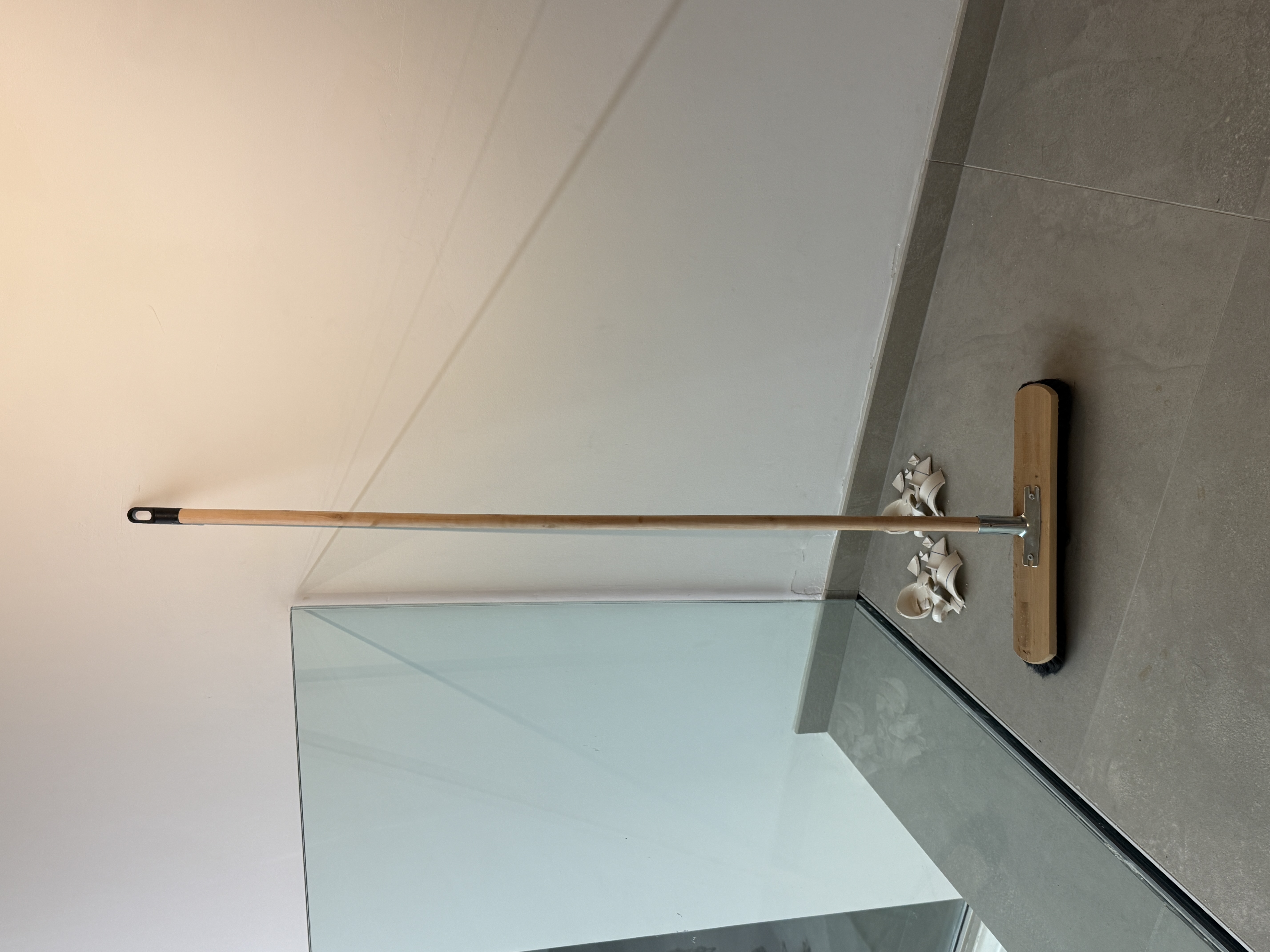
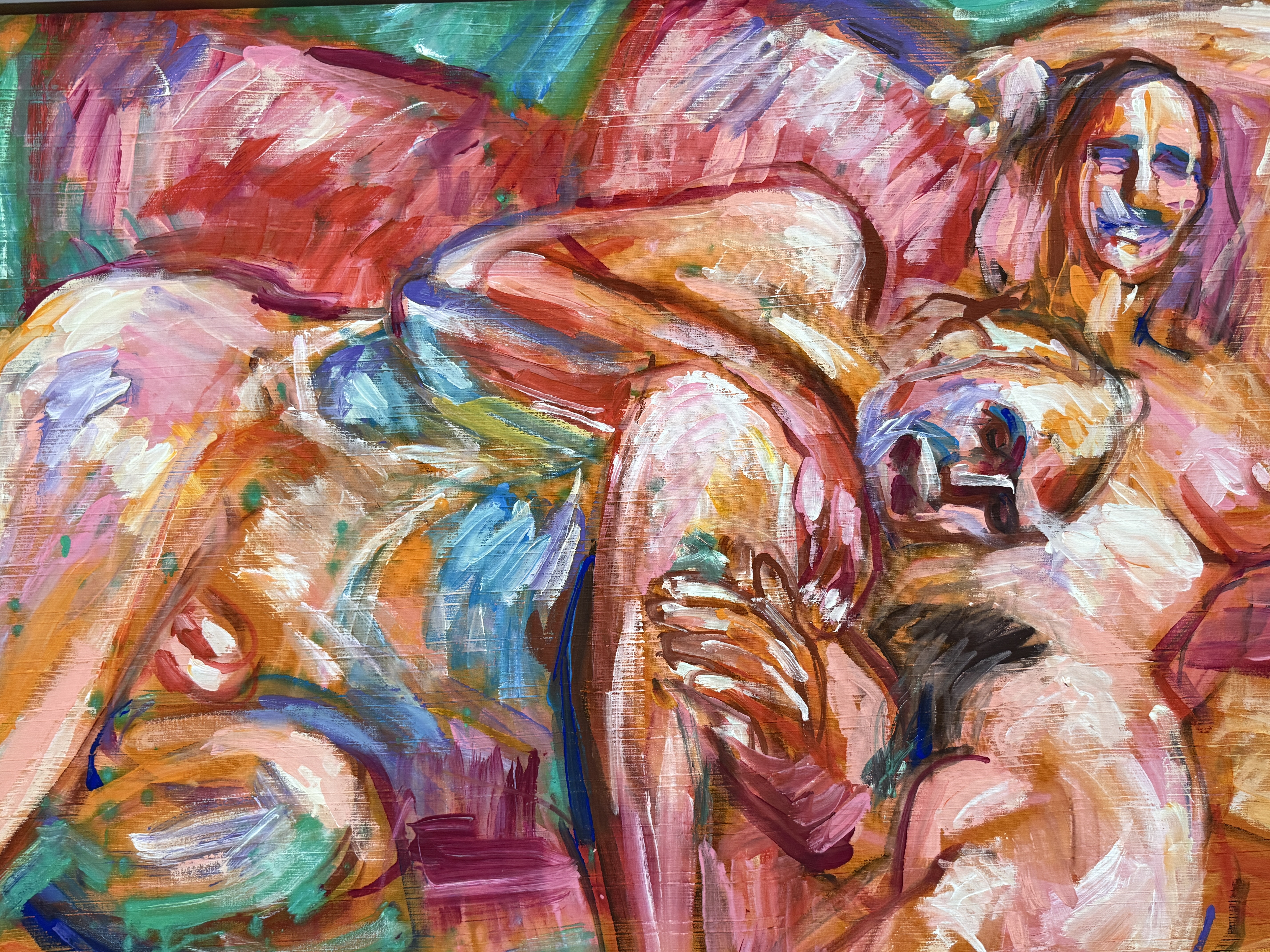
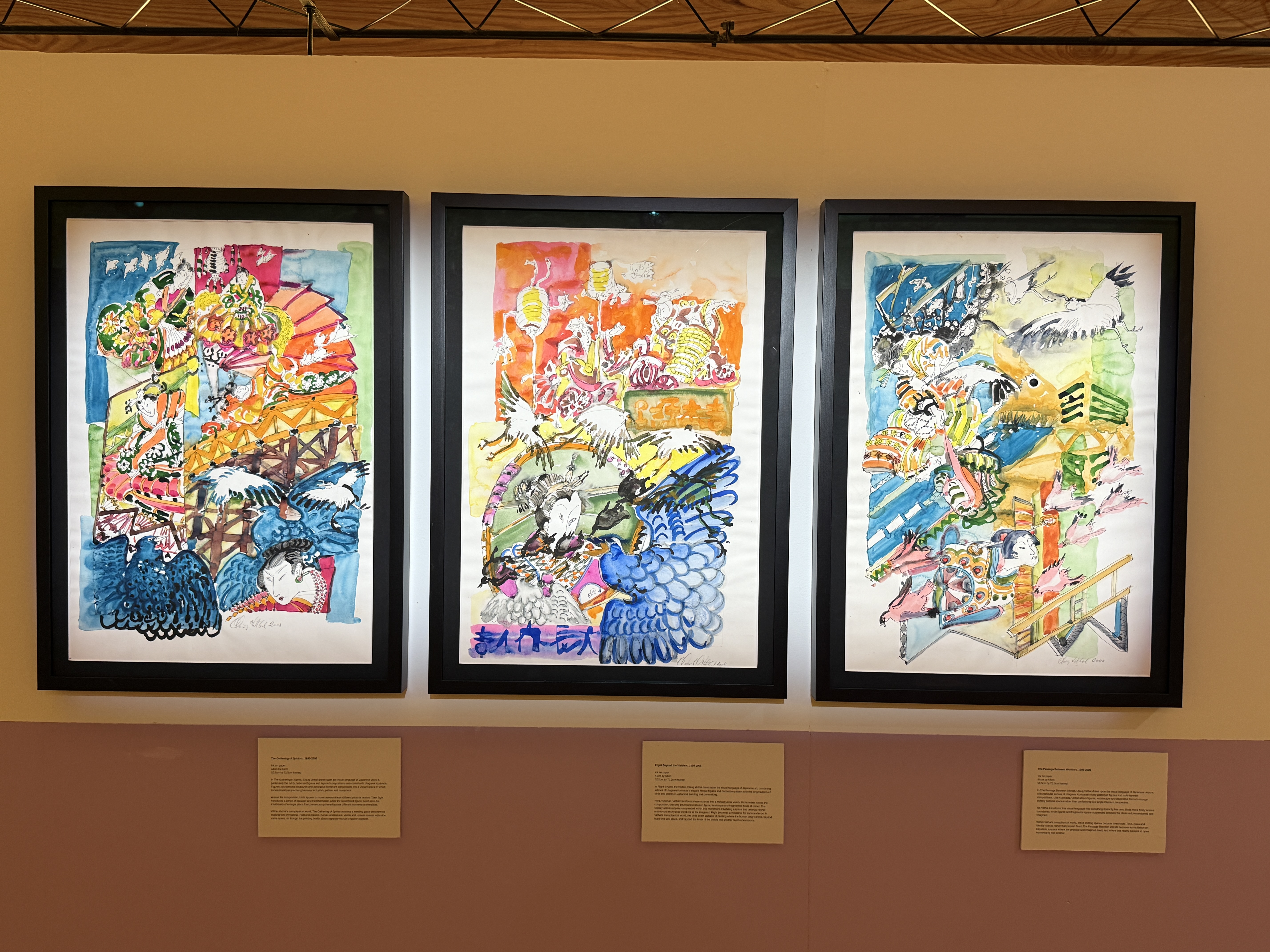
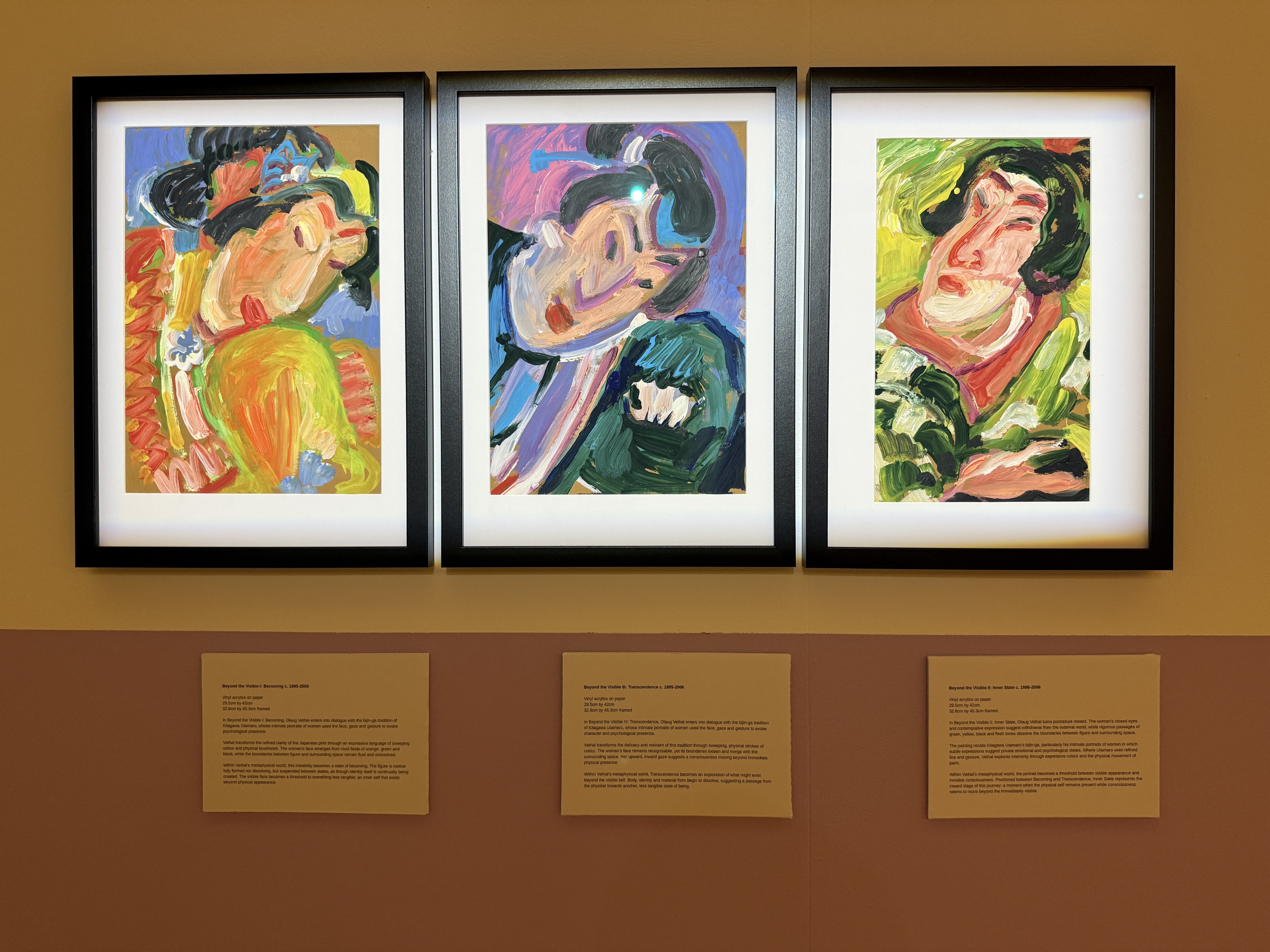
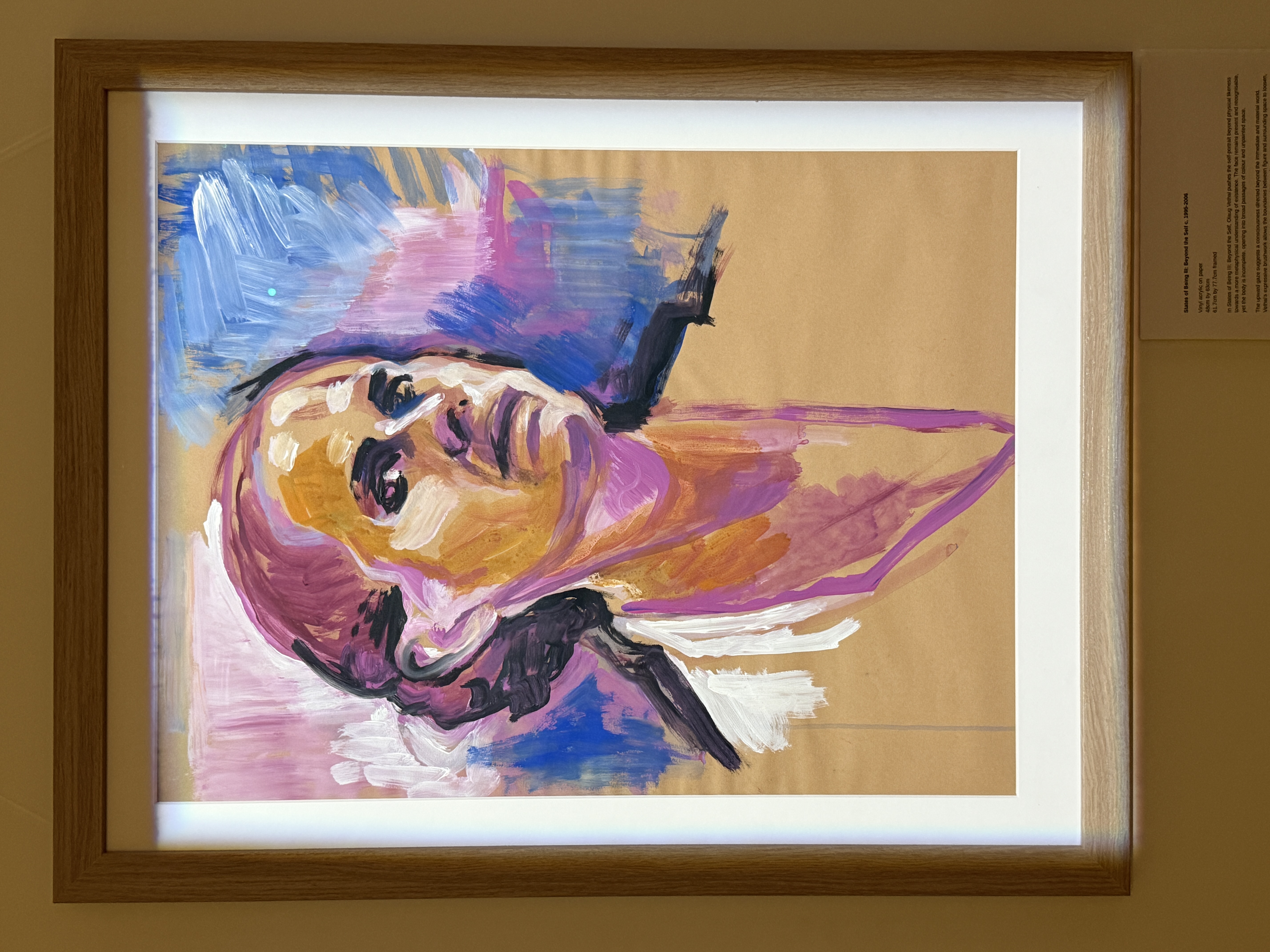
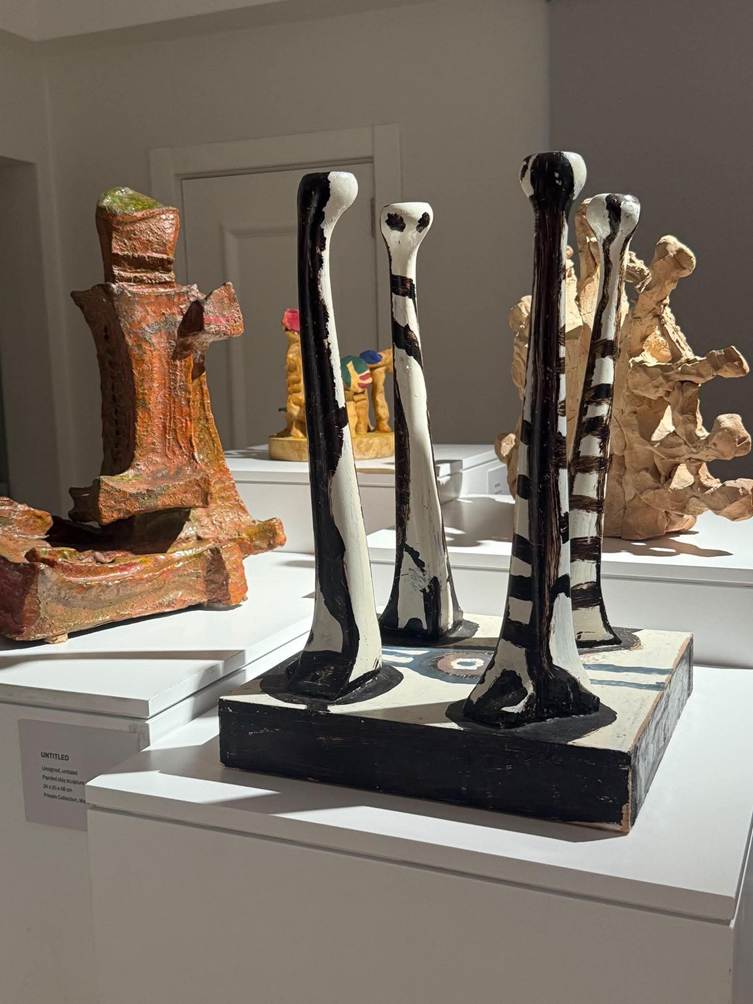
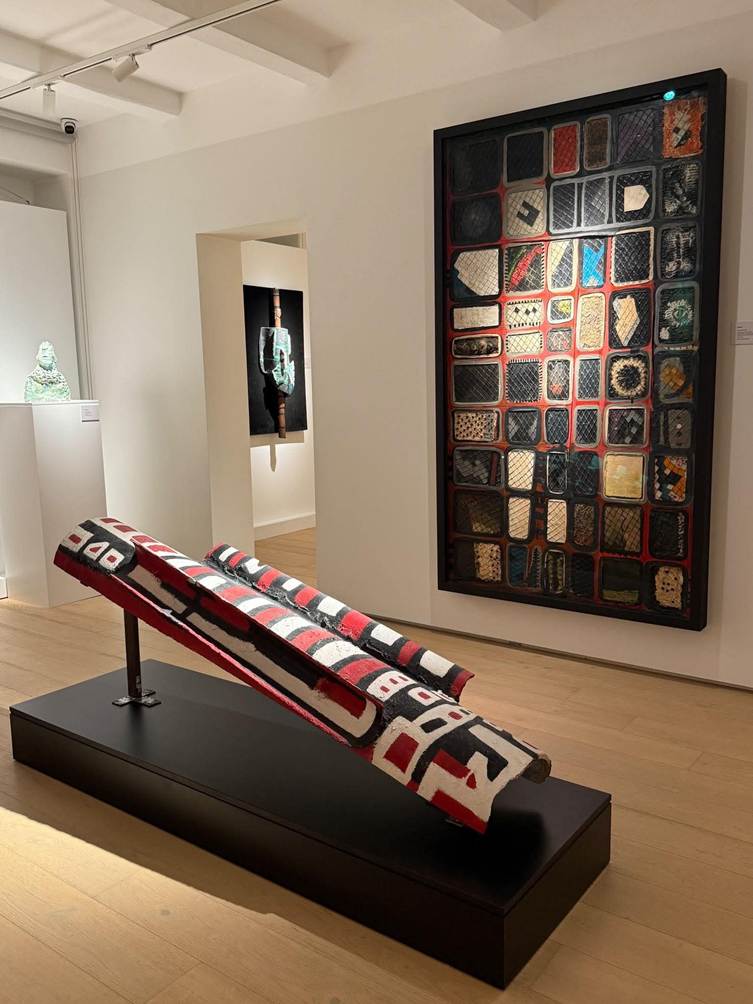
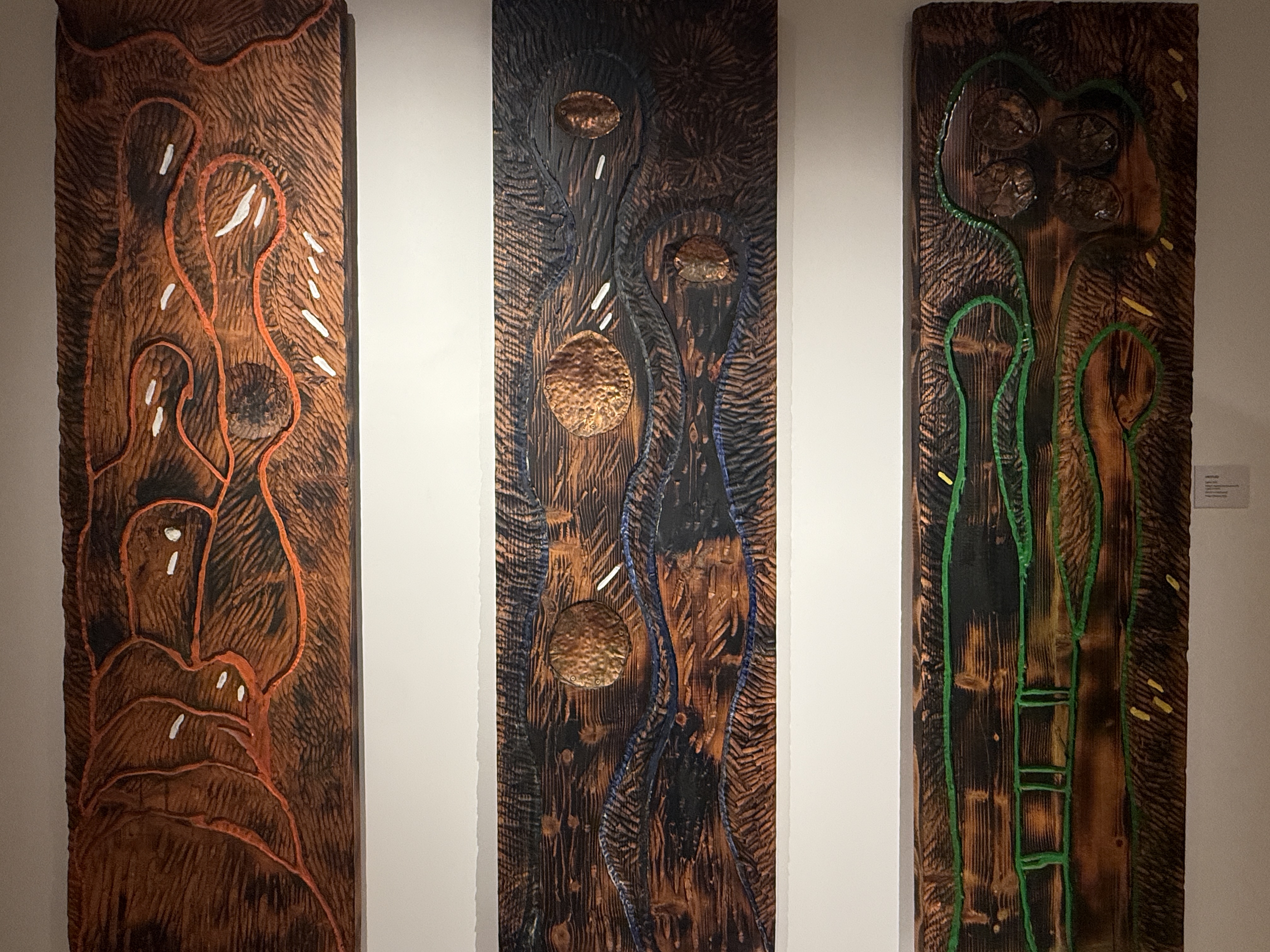
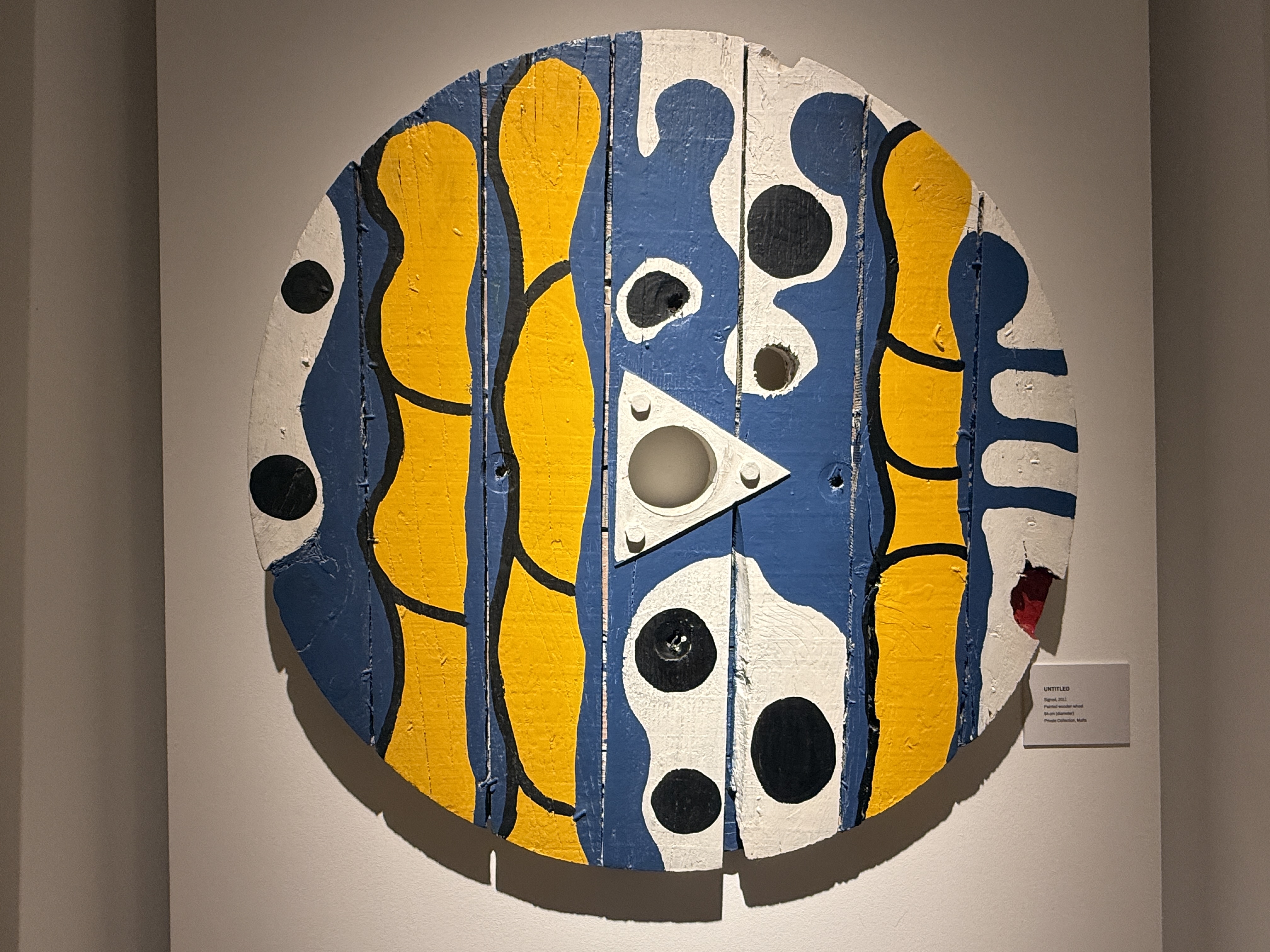
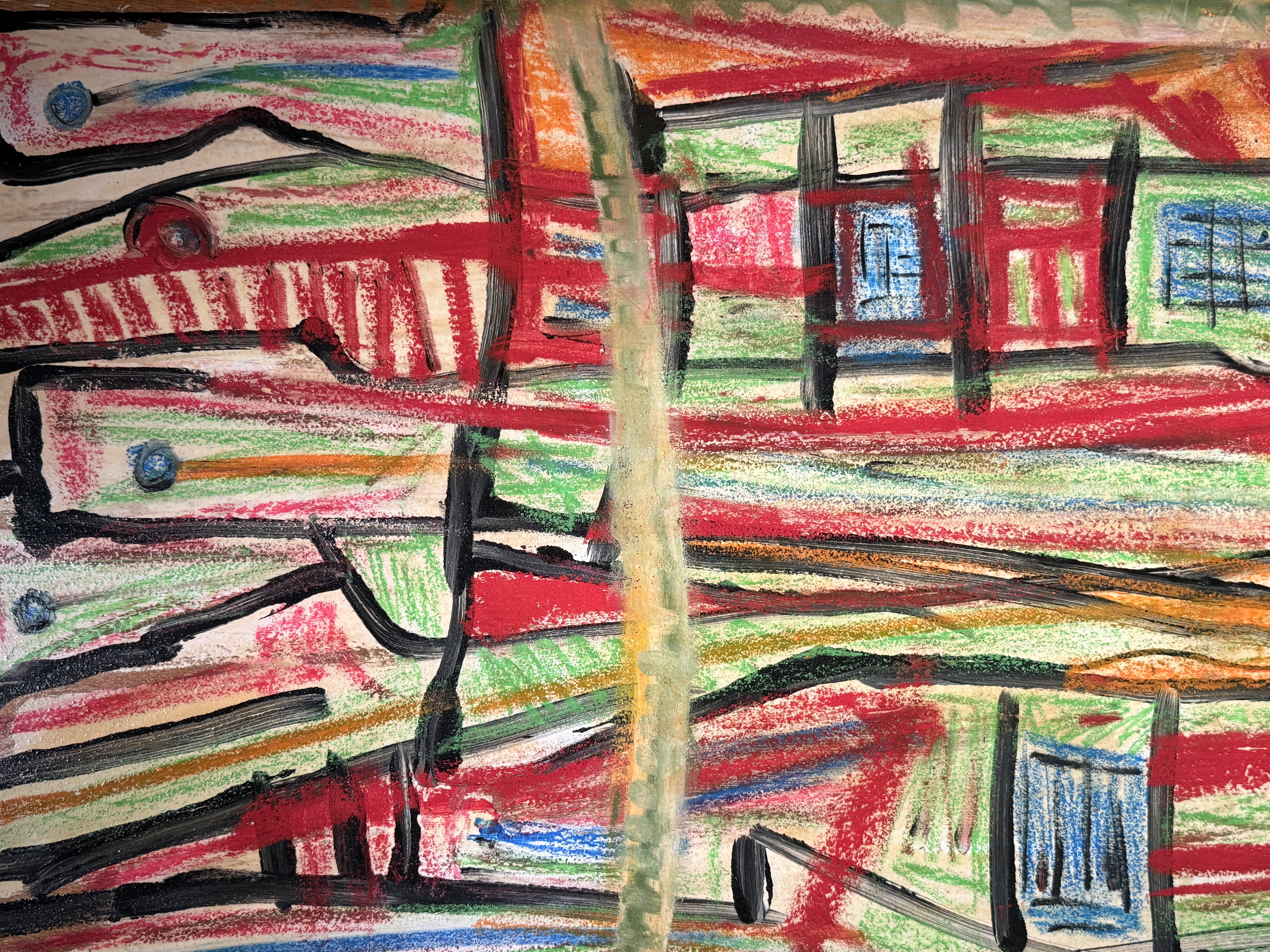
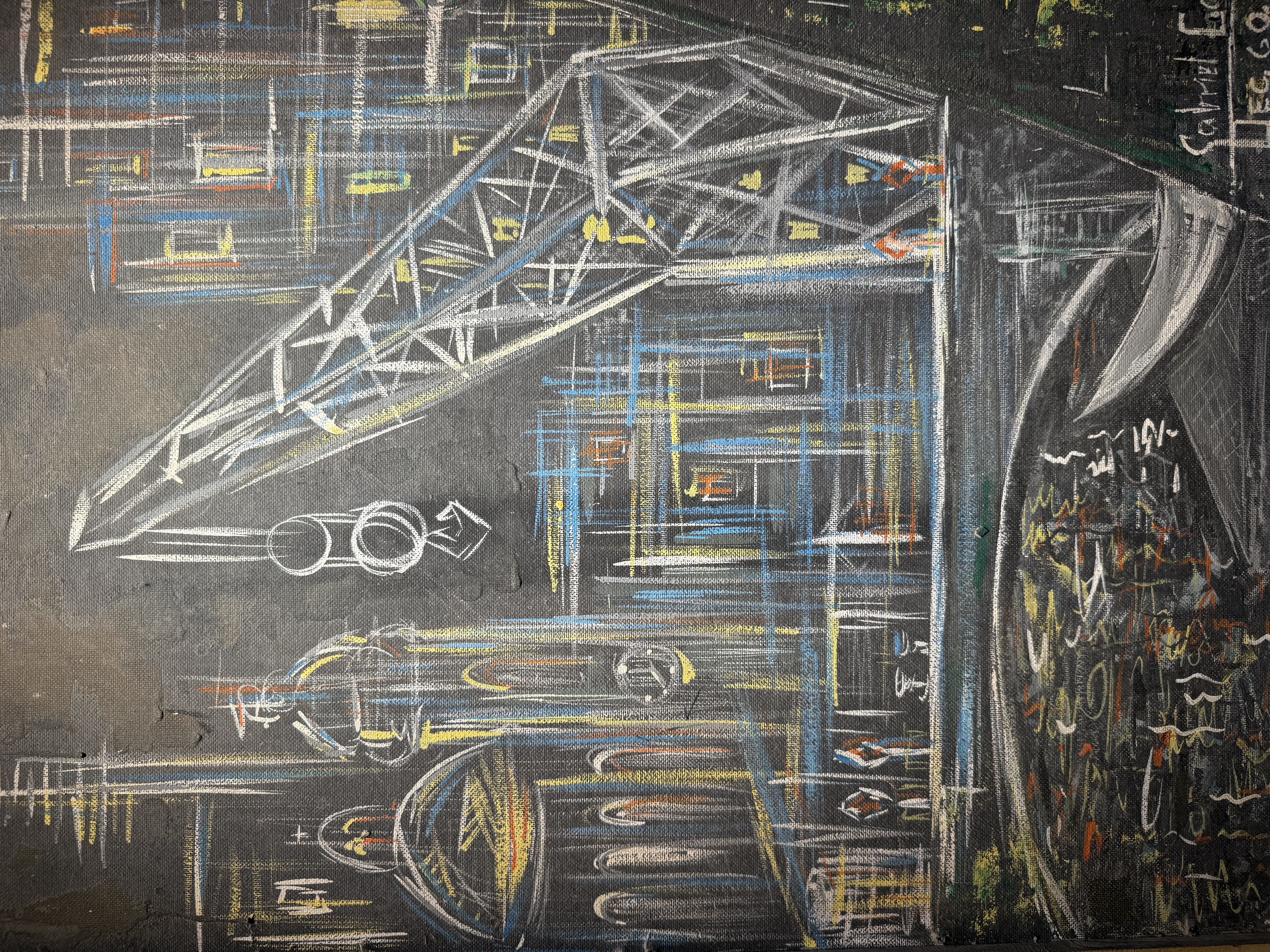
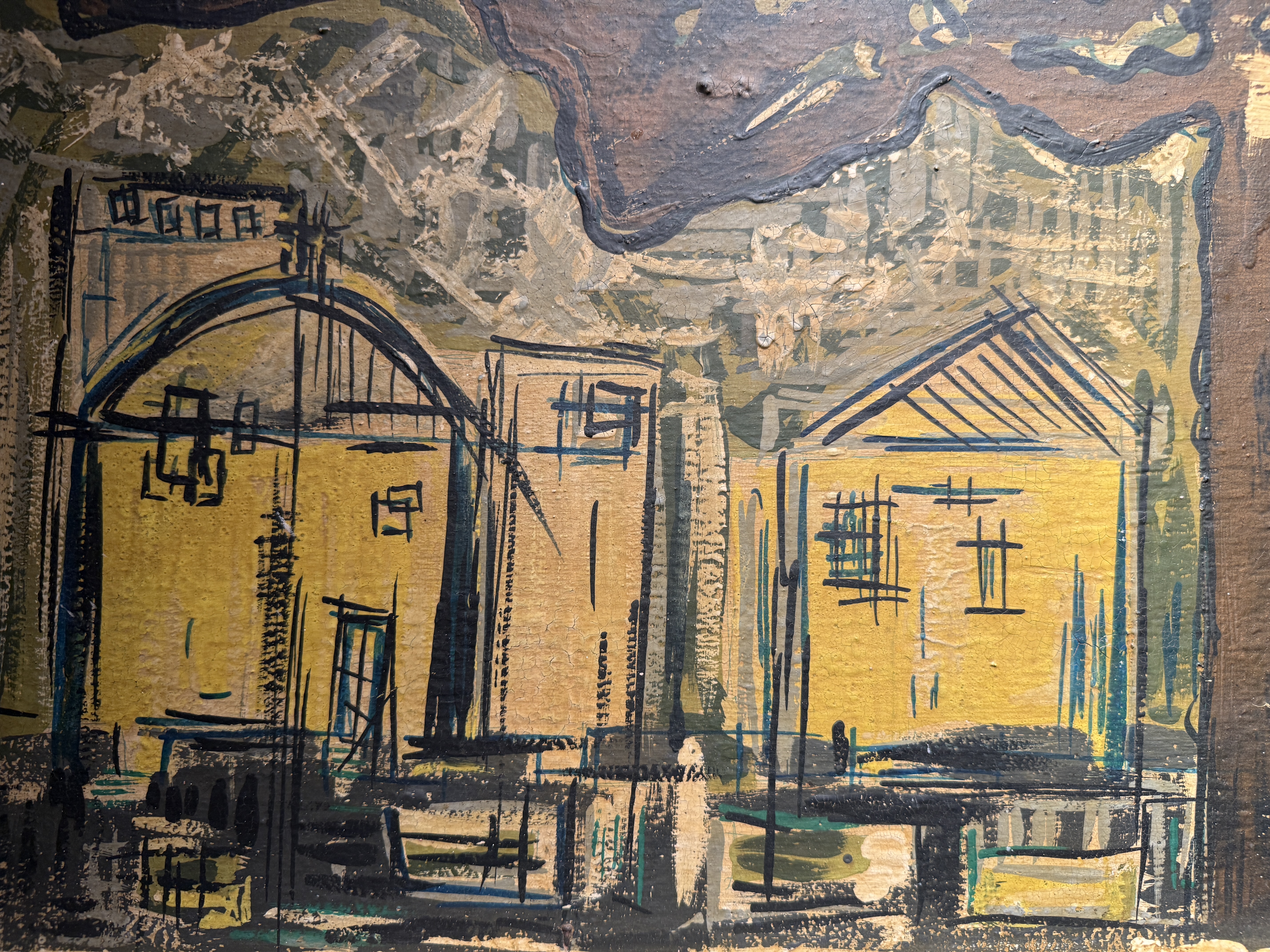
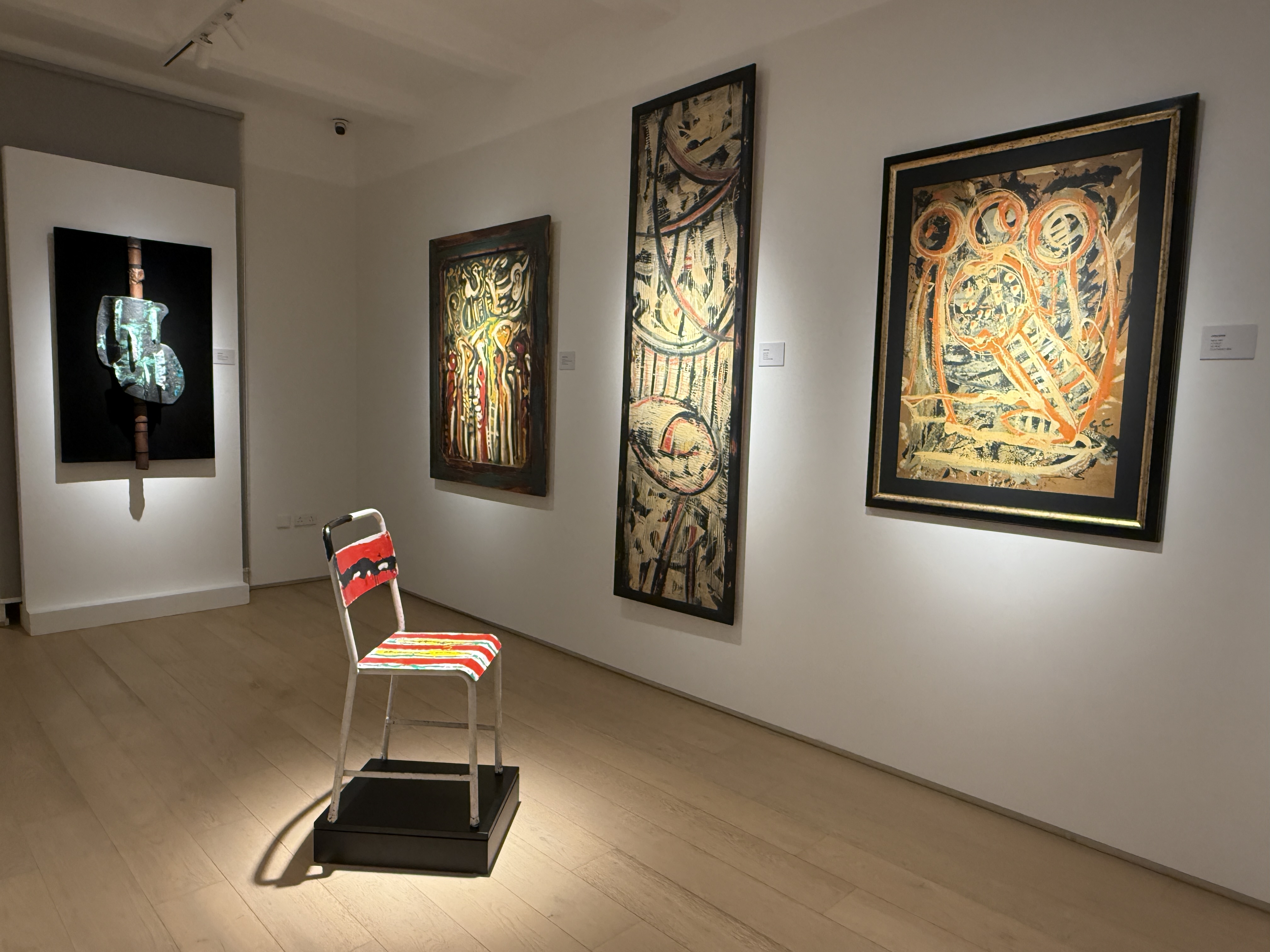
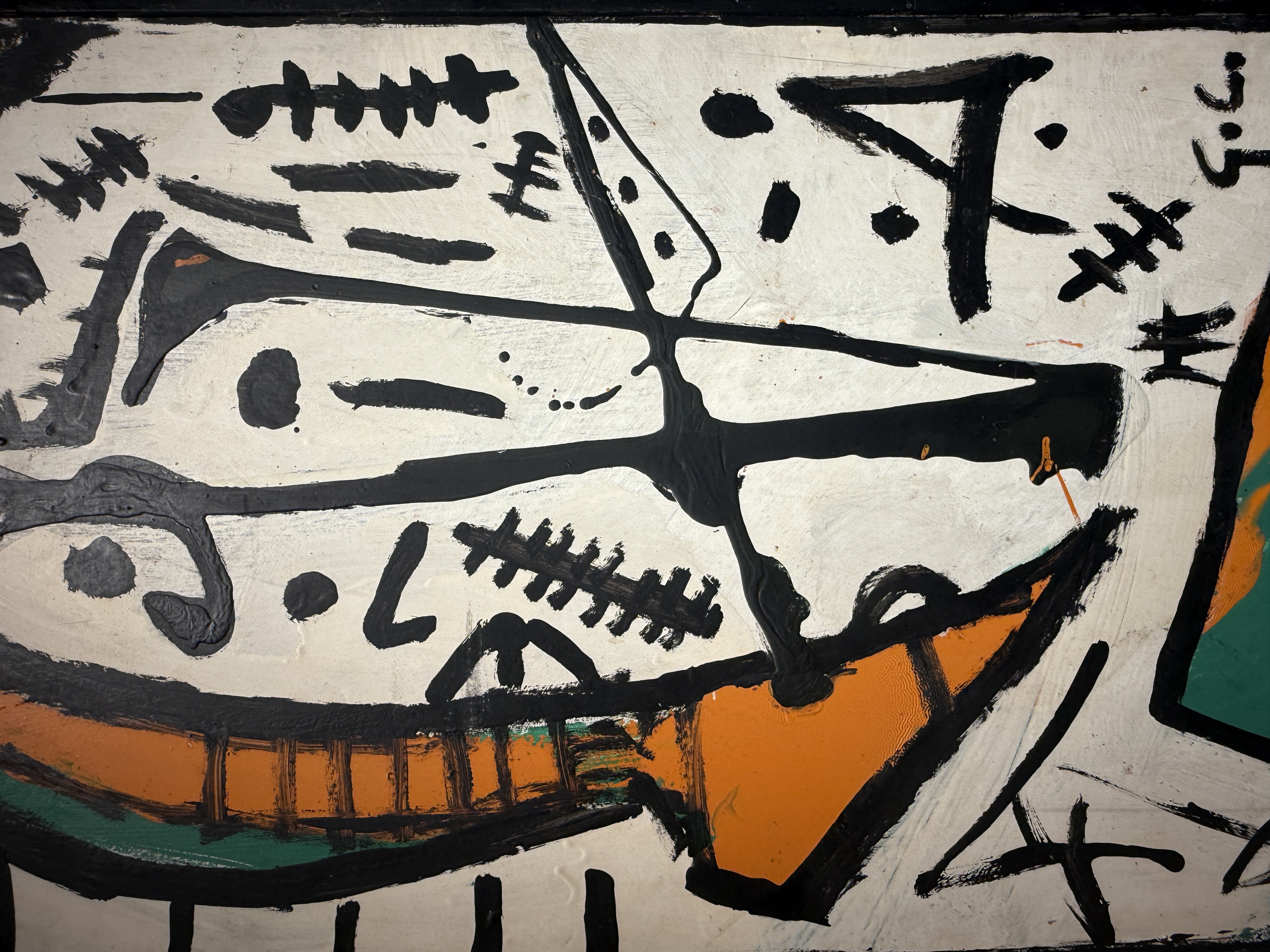
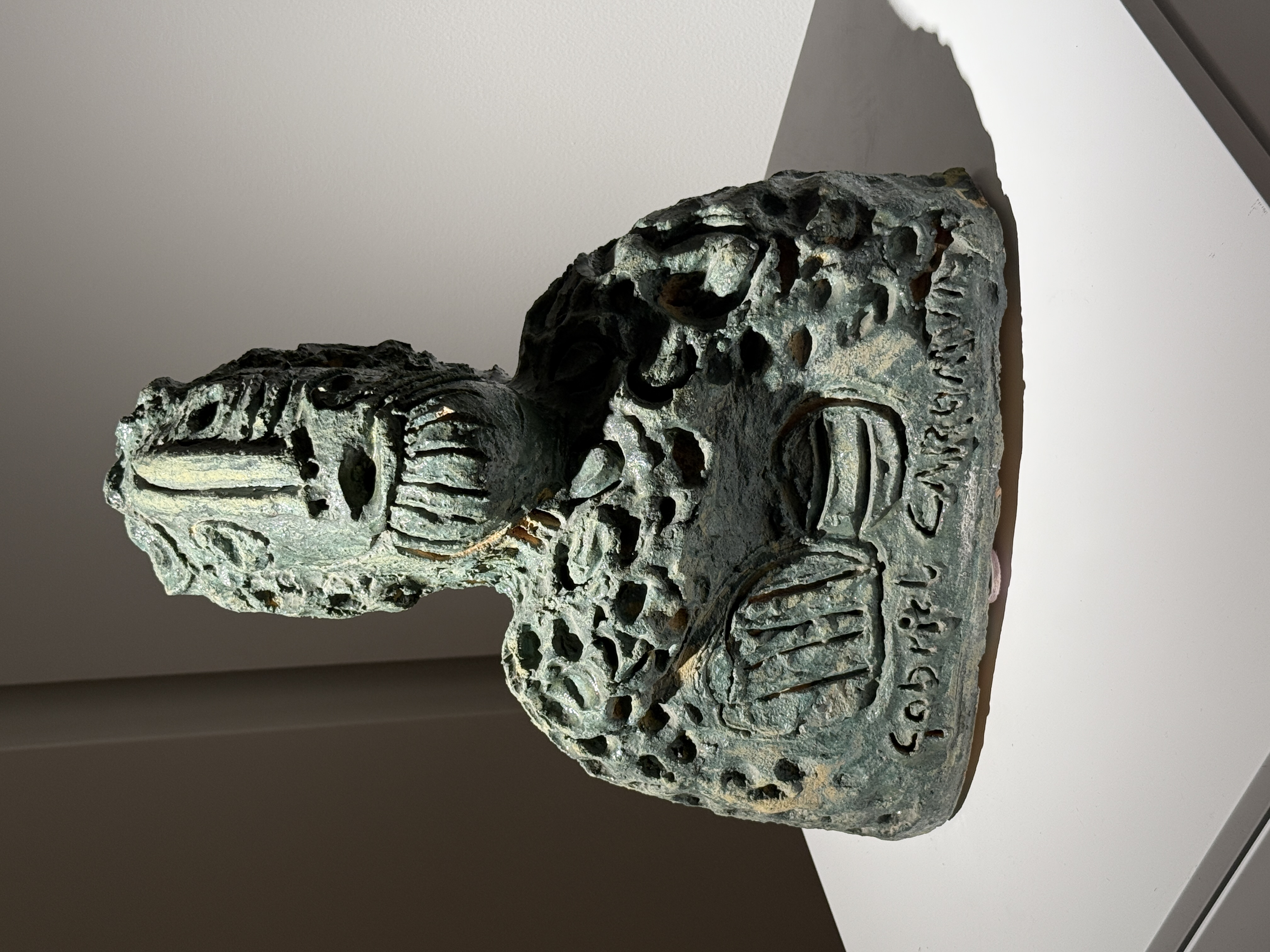
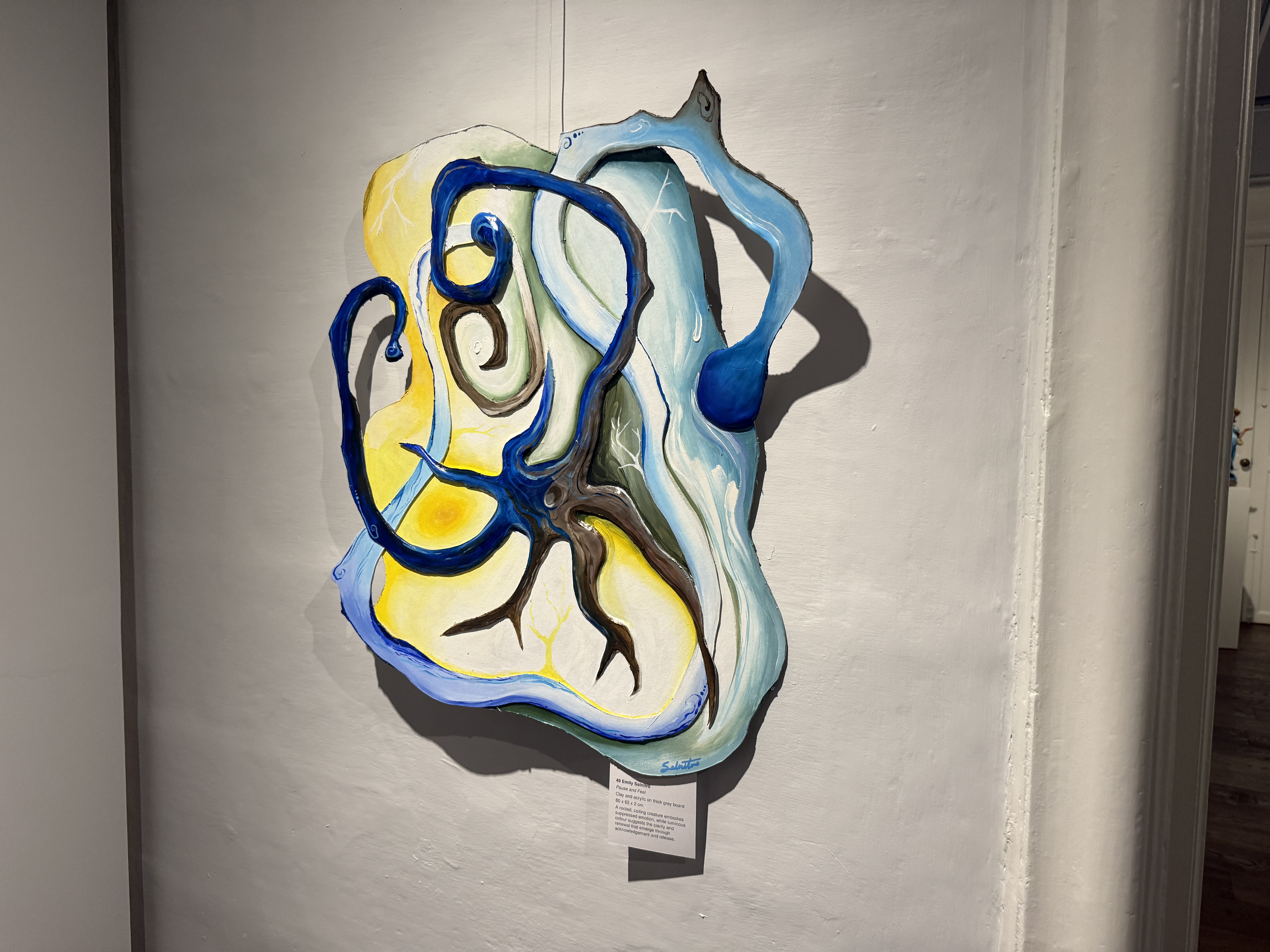
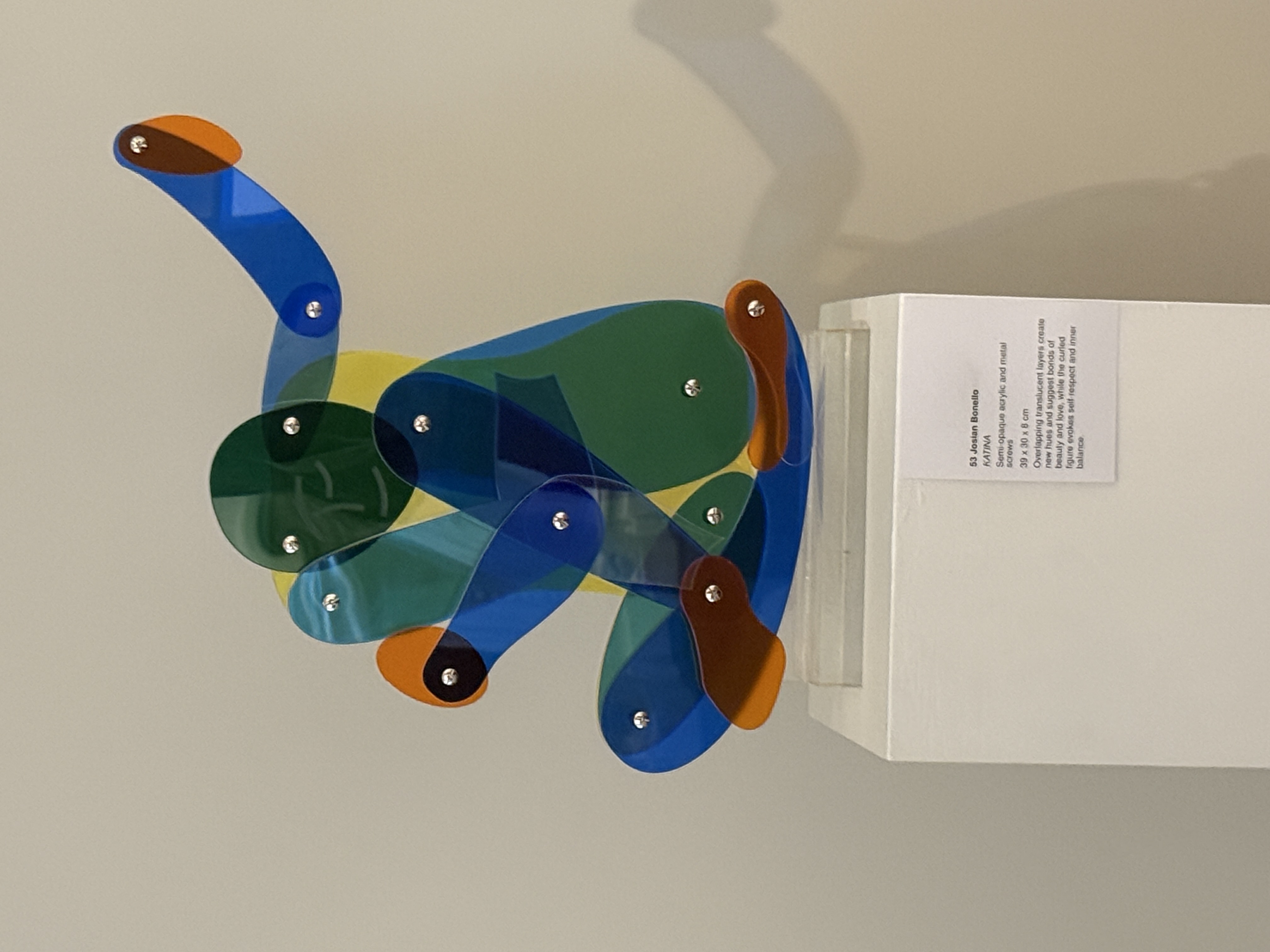
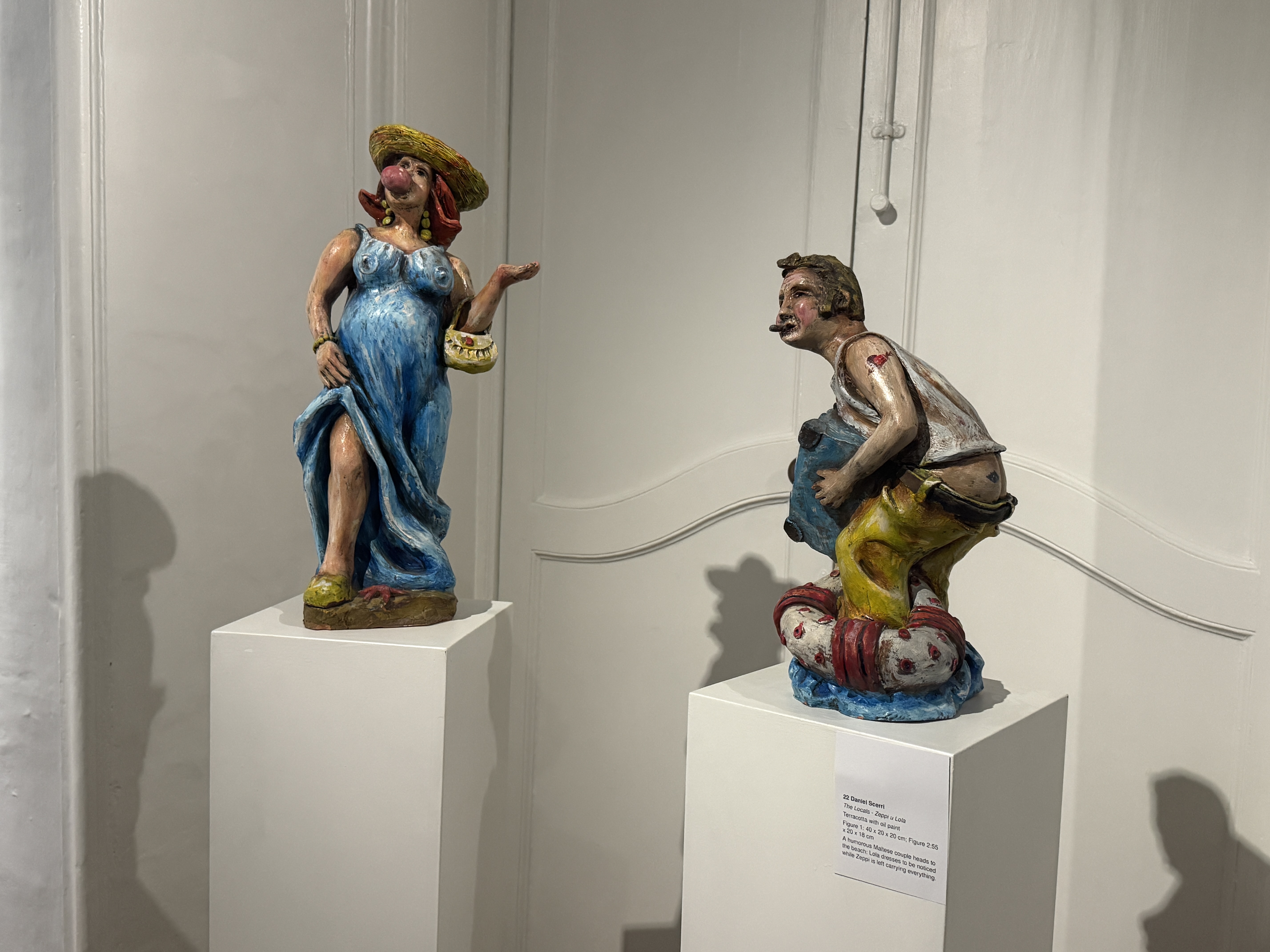
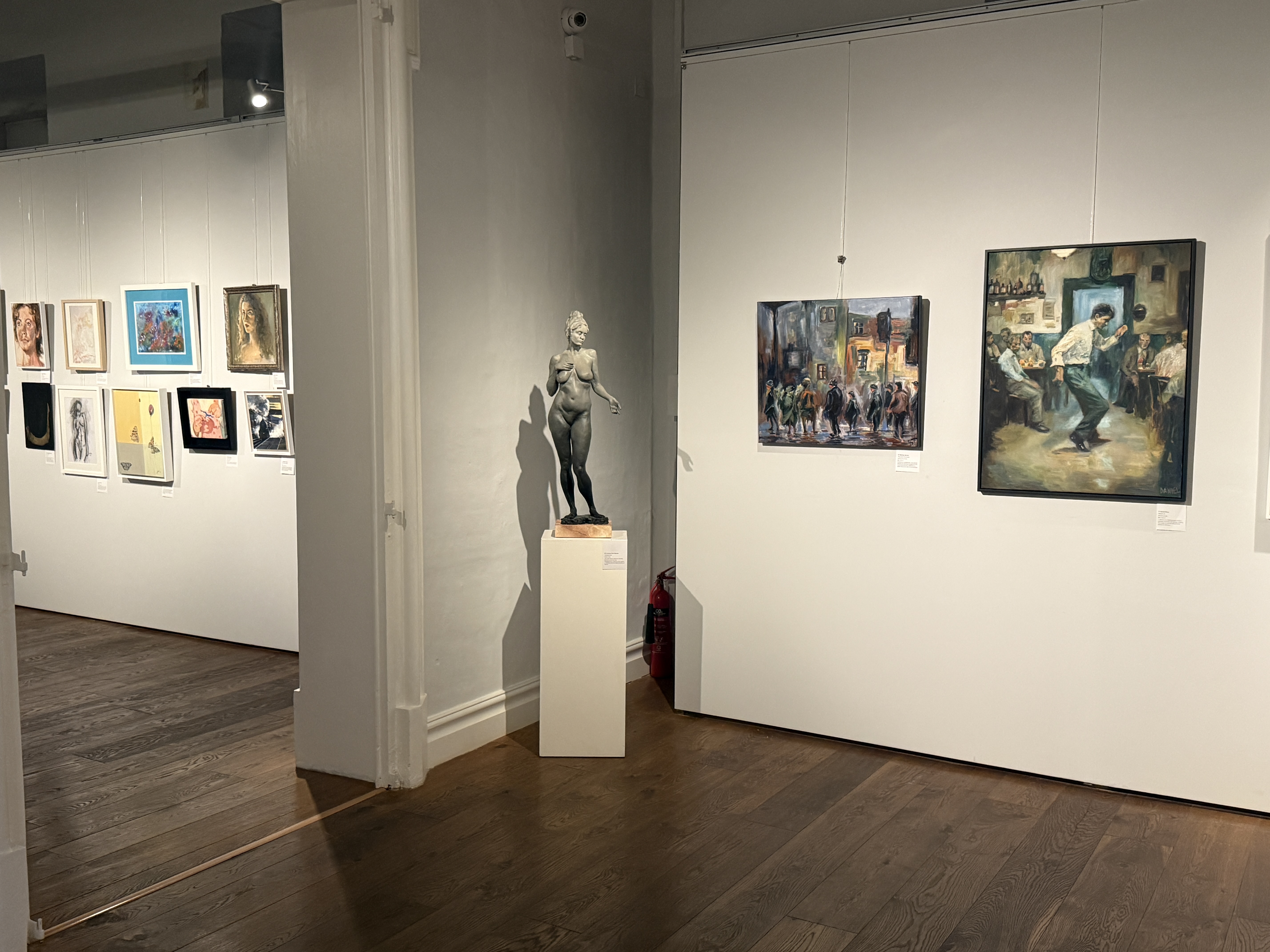
This is an exhibition where the curatorial premise is front and centre. The Earth Will Swallow and Swallow takes its title from a poem by the Maltese poet Jake Buttigieg, and its central metaphor is generous rather than destructive: to “swallow” is to take something in and return it to the world transformed. That idea gives the show its intellectual coherence, framing cultural exchange as digestion and translation, even metamorphosis.
The premise begins with geography. Malta is an island in the Mediterranean; Korea is a peninsula surrounded by sea on three sides. Both have been shaped by maritime movement — trade, migration, conquest, navigation and cultural transmission — while their lands bear the marks of borders, possession and territorial ordering. The exhibition asks viewers to consider where they stand, and to recognise that standing somewhere is never neutral.
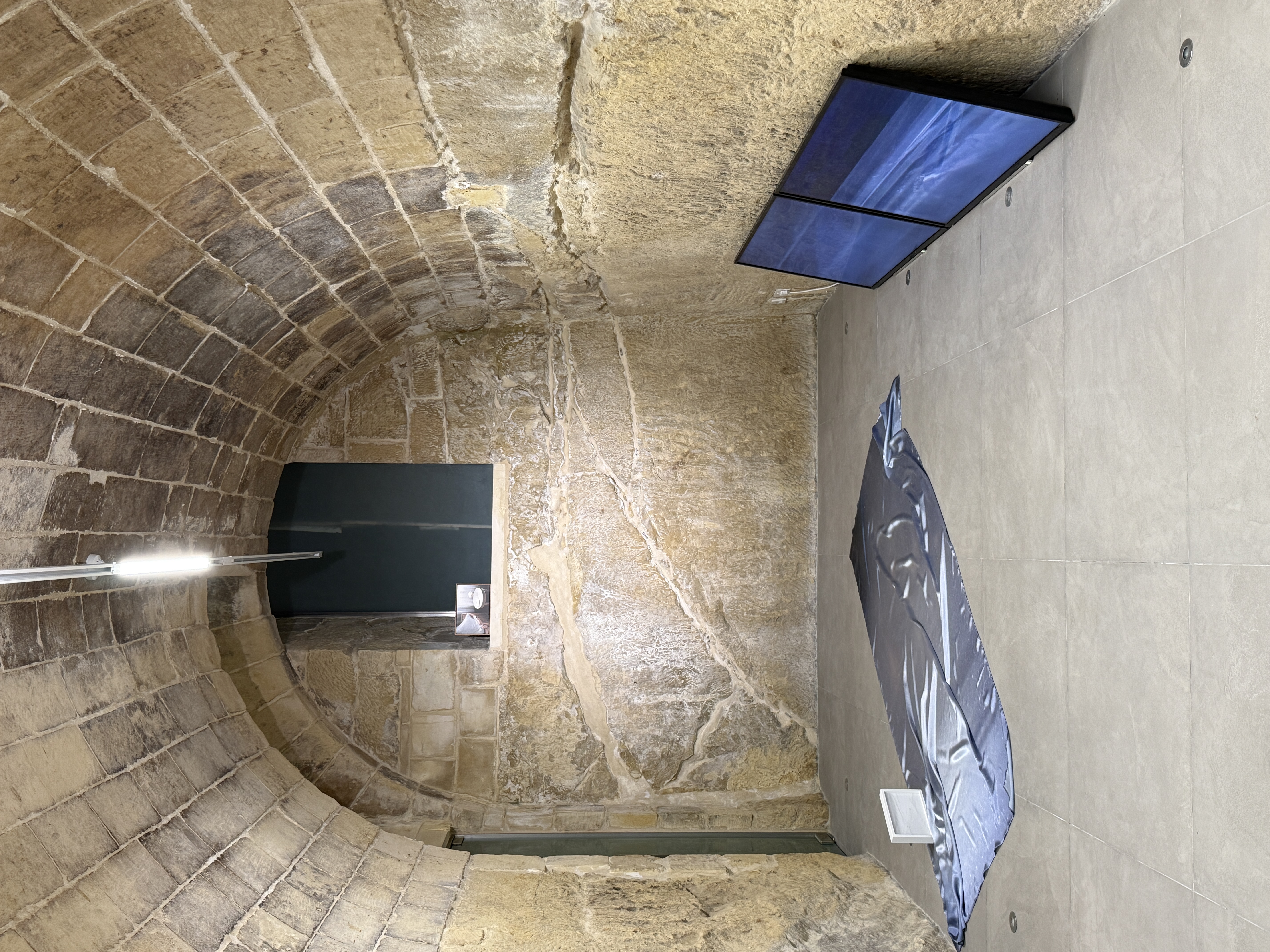
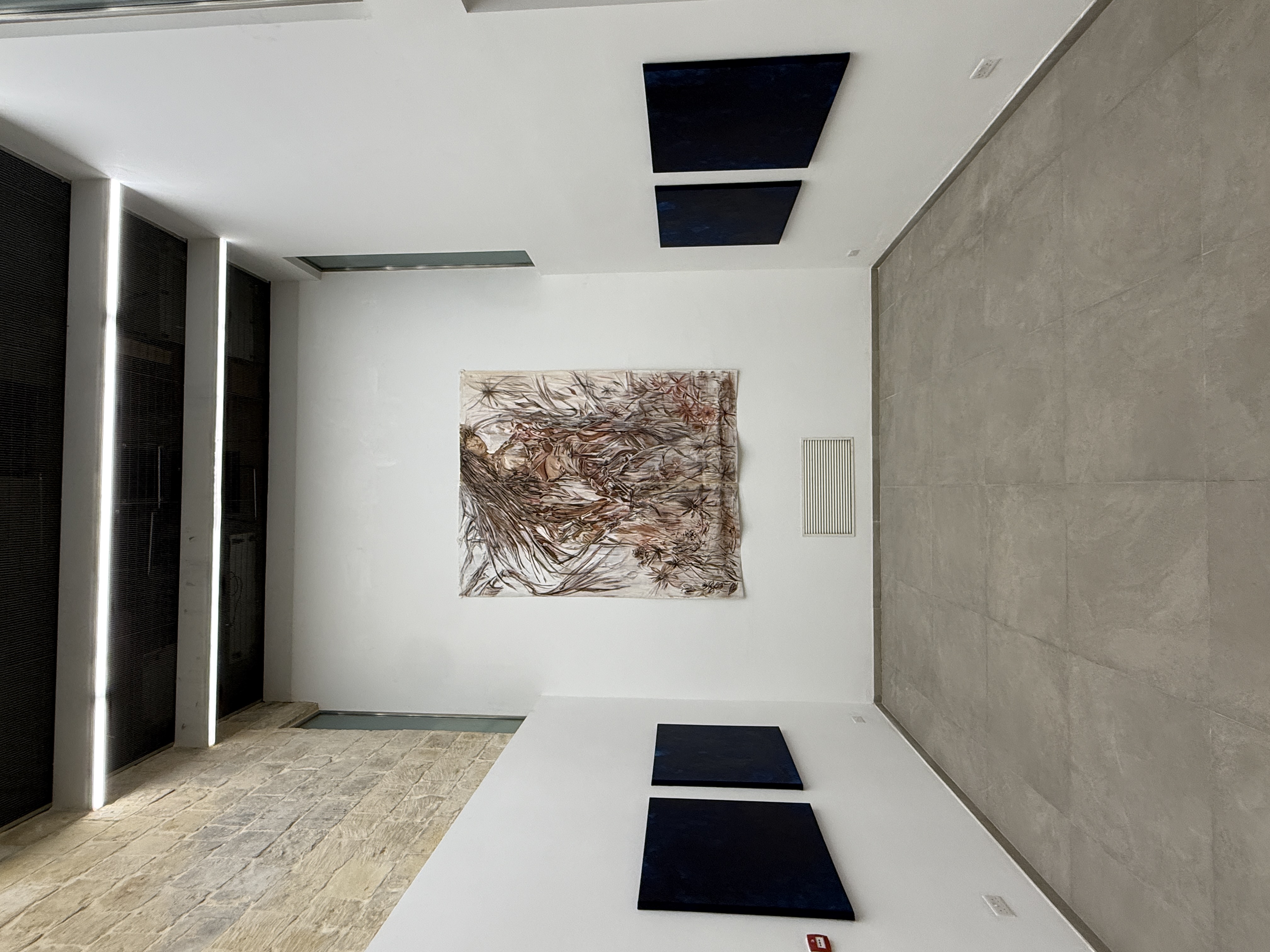
This is a strong conceptual foundation for Valletta Contemporary. The gallery, housed in converted 400-year-old warehouses on East Street, is a very welcome part of the art scene here and is now some eight years old. It gives the works an appropriately layered setting: a former commercial and maritime space now hosting art about inheritance and transformation.
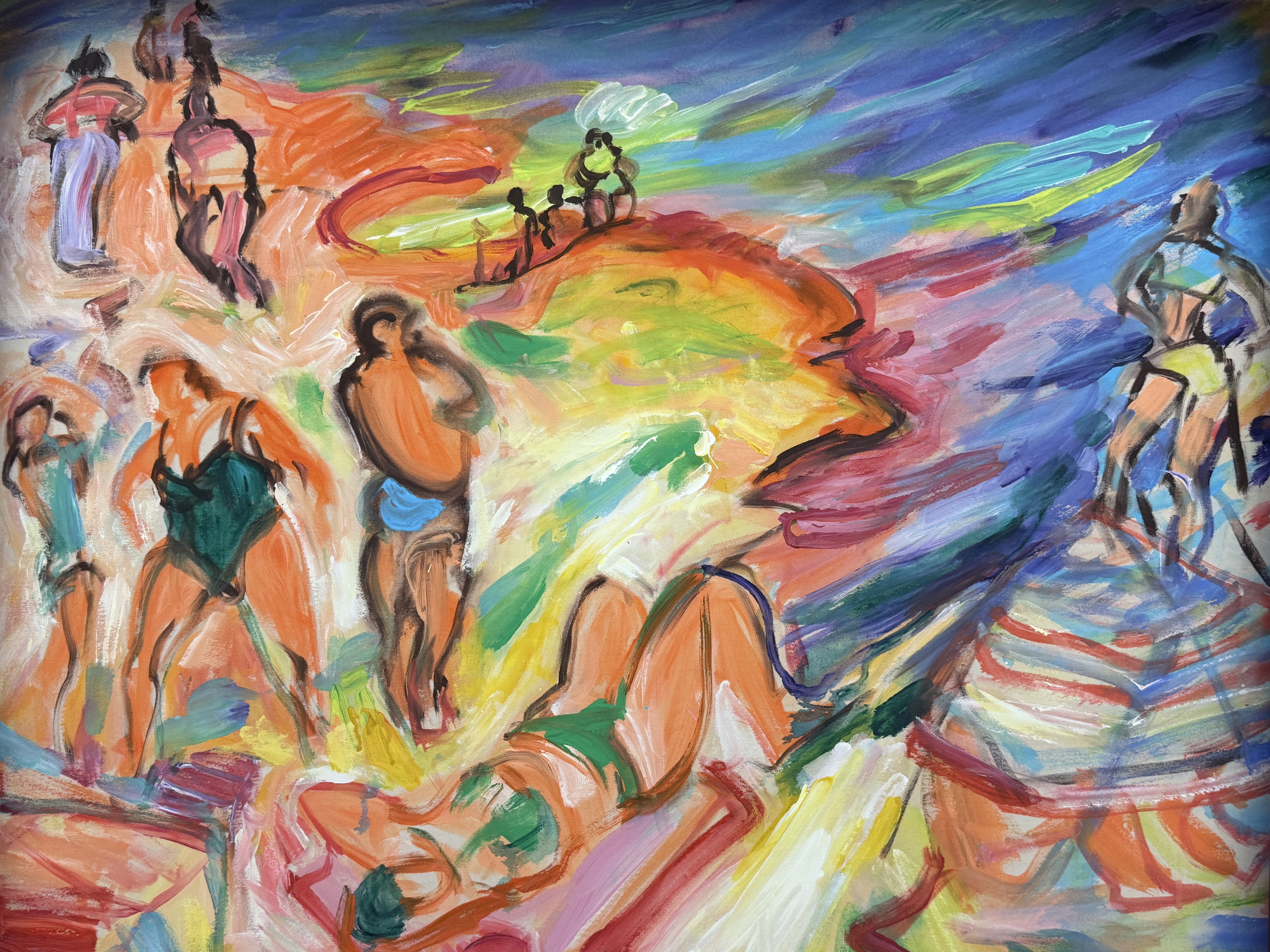
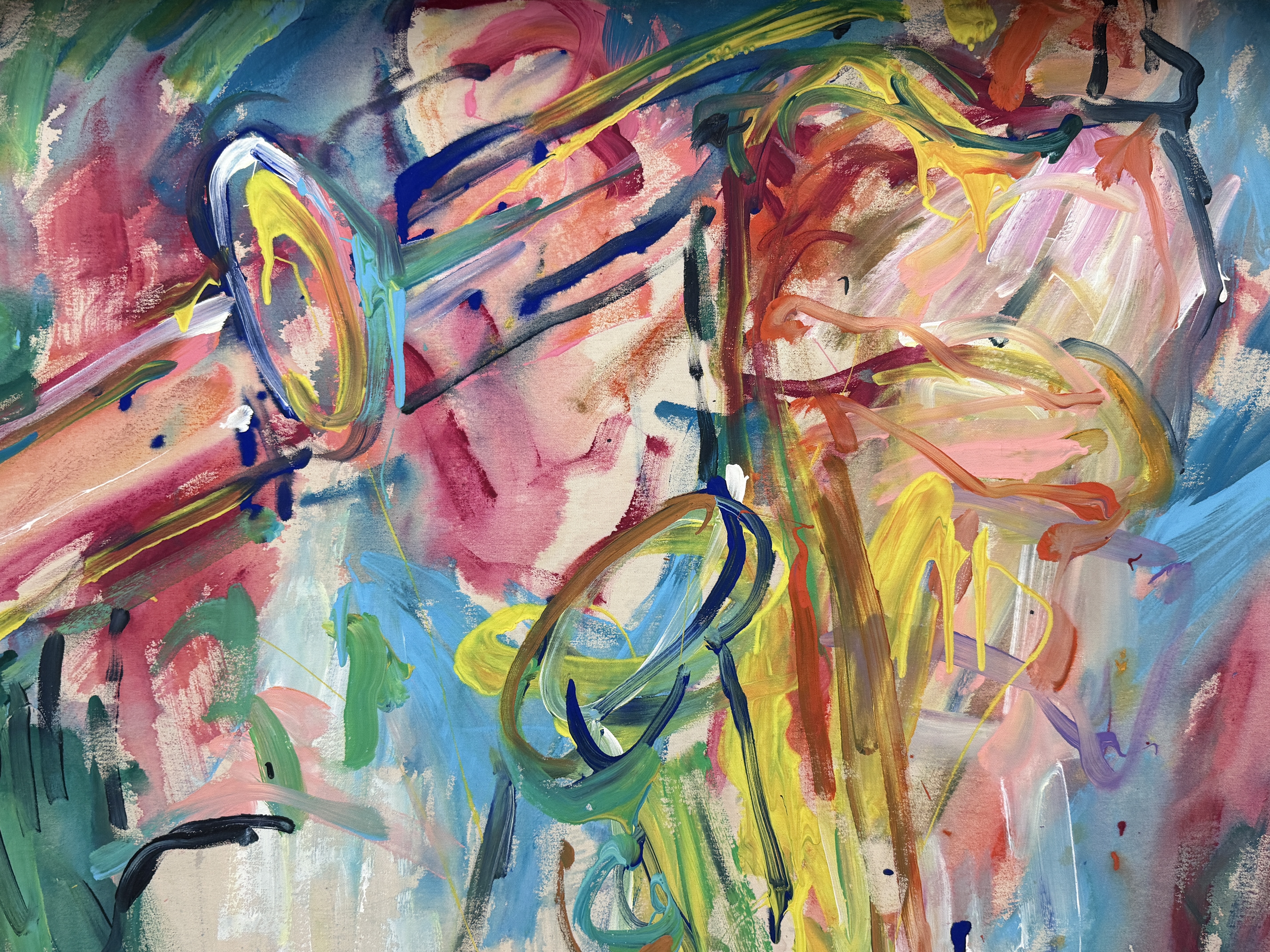
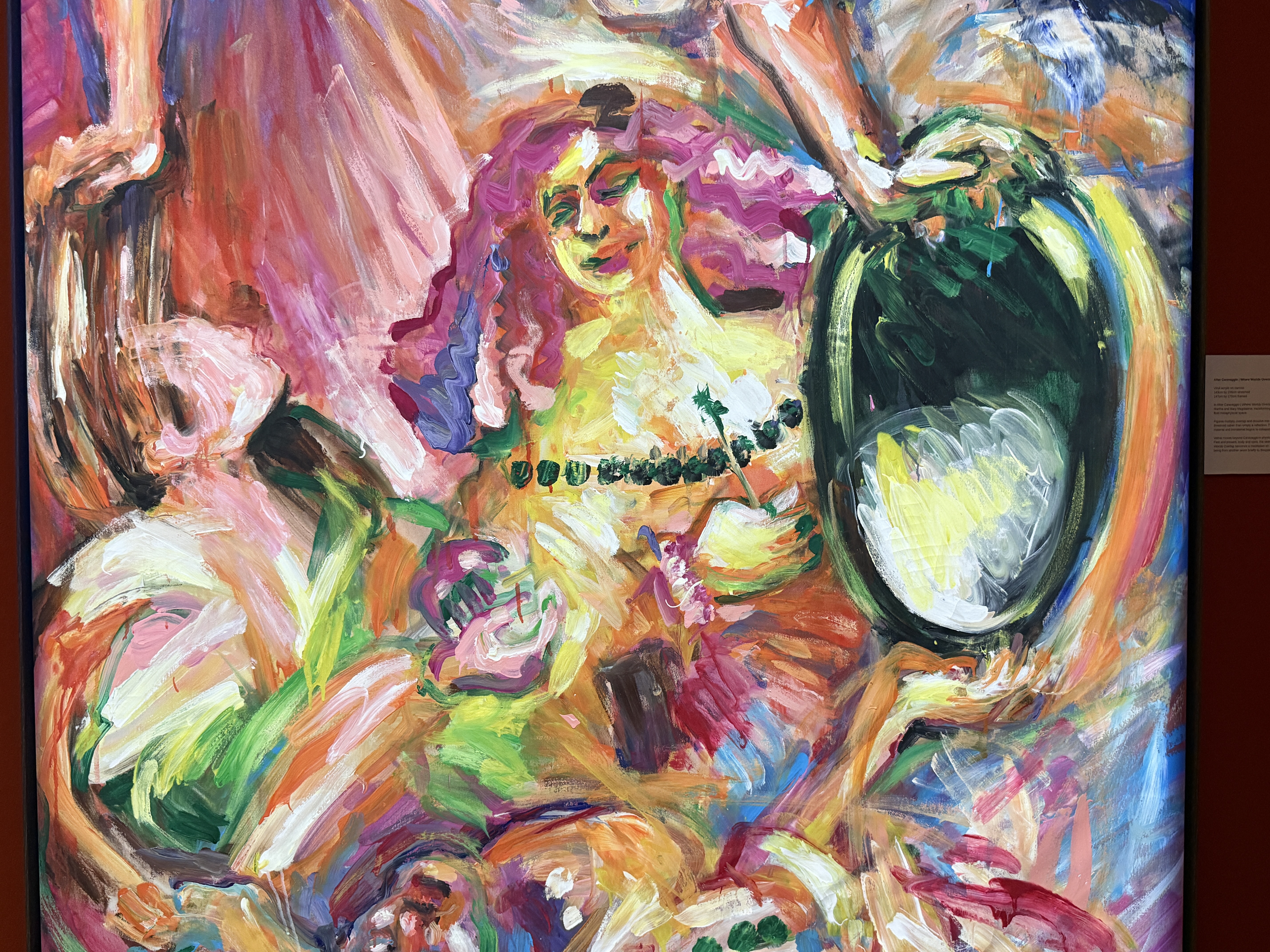
The artists: the exhibition features work by Alberto Favaro, Cha Ji Ryang, Cyril Sancereau, Julian Micallef, Michael Quinton, Minhee Kim, Minhoon Kim, Norbert Francis Attard, PONKS, Oh Sera, Yeoul Son and Yuja Kim. Together they form a deliberately mixed field of Maltese, Korean and internationally based practices, avoiding the tidy national-team structure that often weakens exchange exhibitions.
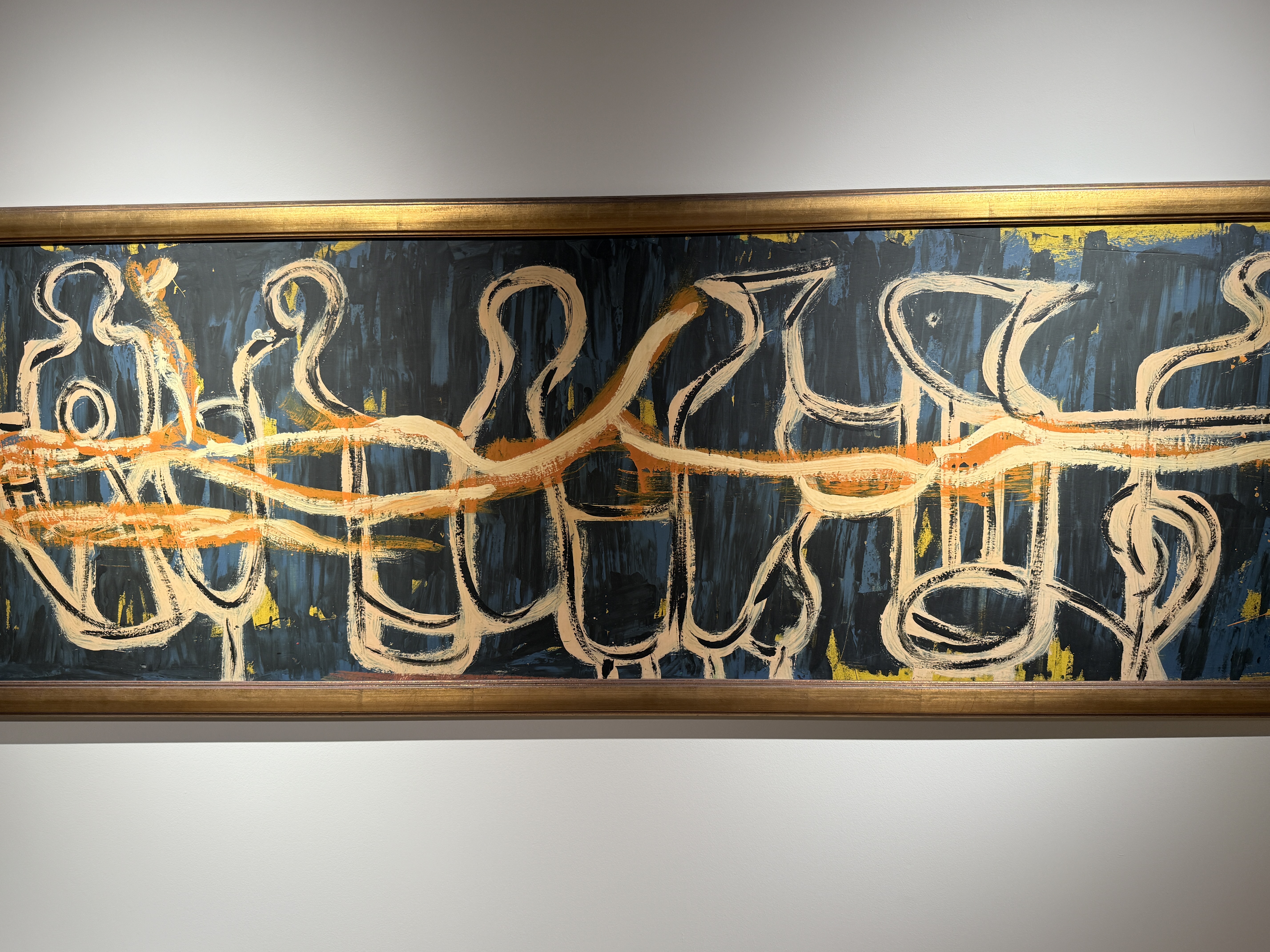
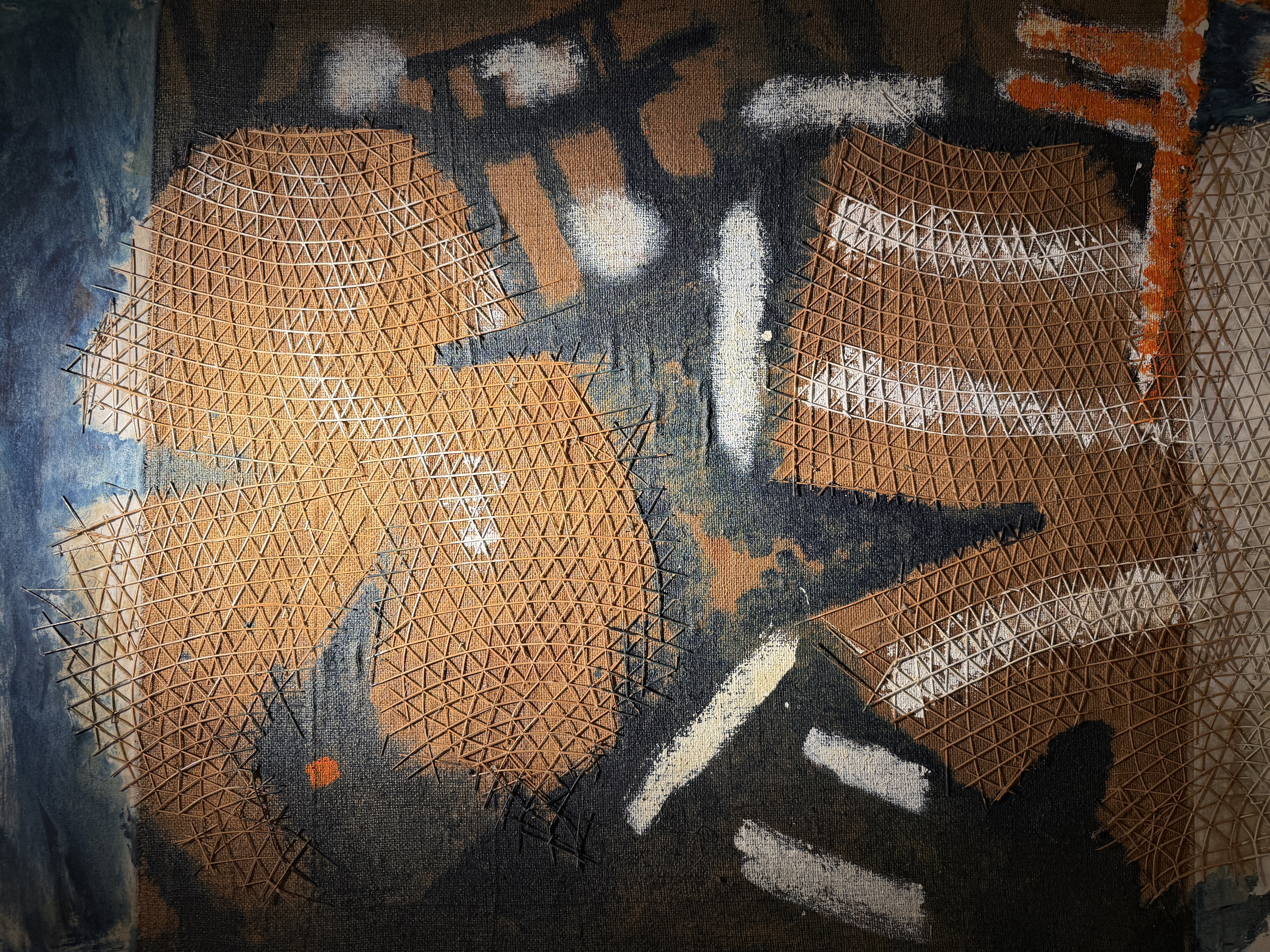
Norbert Francis Attard, whose foundation operates Valletta Contemporary, brings the authority of an artist long concerned with site, perception and cultural symbolism. His presence anchors the exhibition’s connection to Malta’s contemporary-art infrastructure, while also preventing it from becoming merely an imported curatorial proposition. His PROTOHISTORY – 5 Colours of Elastic Bands is a quite remarkable, captivating work.
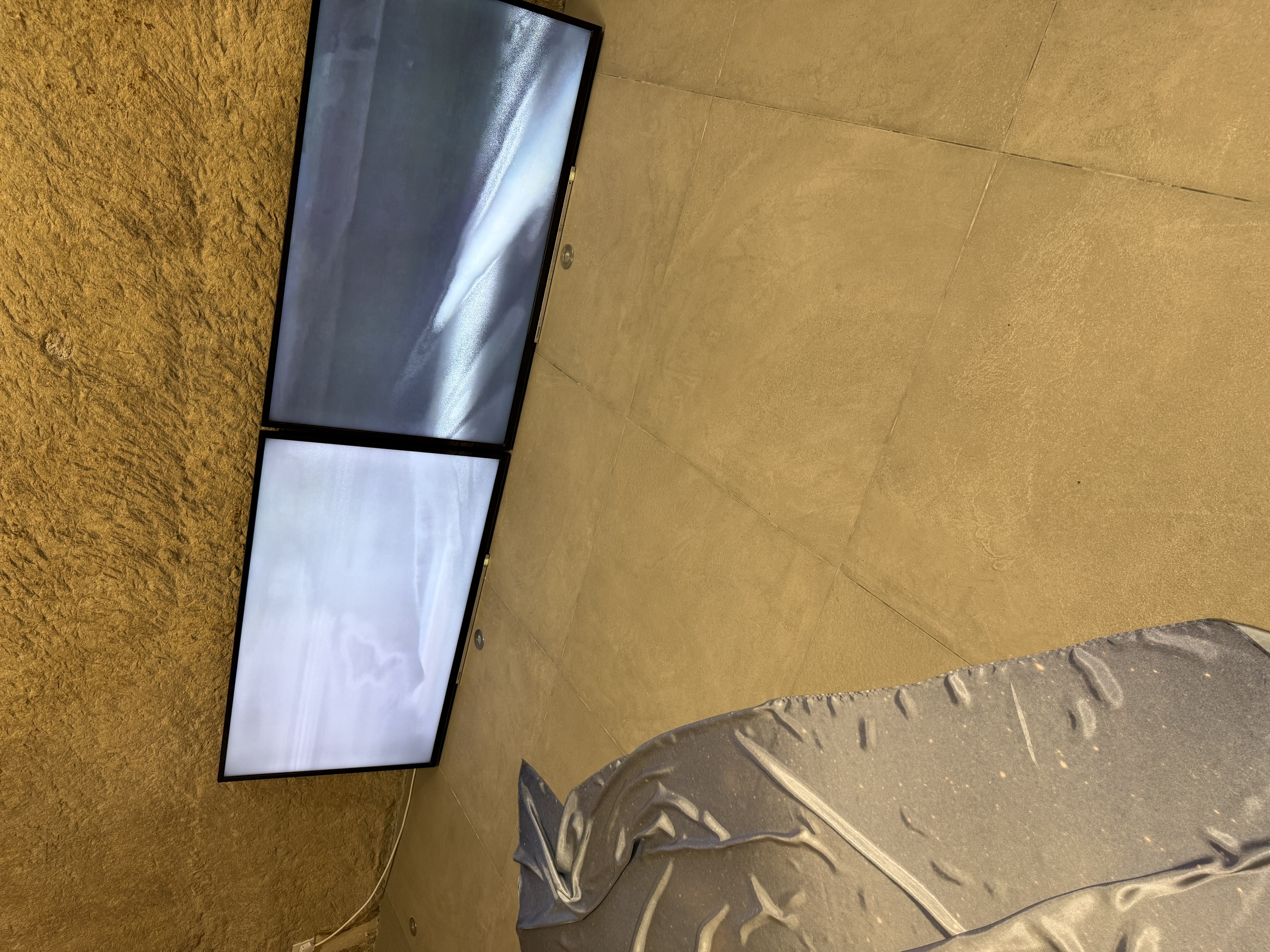
PONKS — the collaborative practice of Sam Alekksandra and Julien Vinet — carries forward the immersive, spatial language of BEJN / In-Between, where their ROPE TEMPLE used suspended rope and poetry to create an environment for reflection and collective imagination. Their Hairtail video provides one of the more memorable moments: silvery eels slither into view and then disappear.
Michael Quinton’s sound-based practice is especially important to the show’s sensory argument. In Gwangju his reactive sound environment drew on field recordings and archival material gathered across Malta and South Korea; here, that attention to listening becomes part of the exhibition’s wider claim that encounter is something felt in the body, not only understood intellectually.
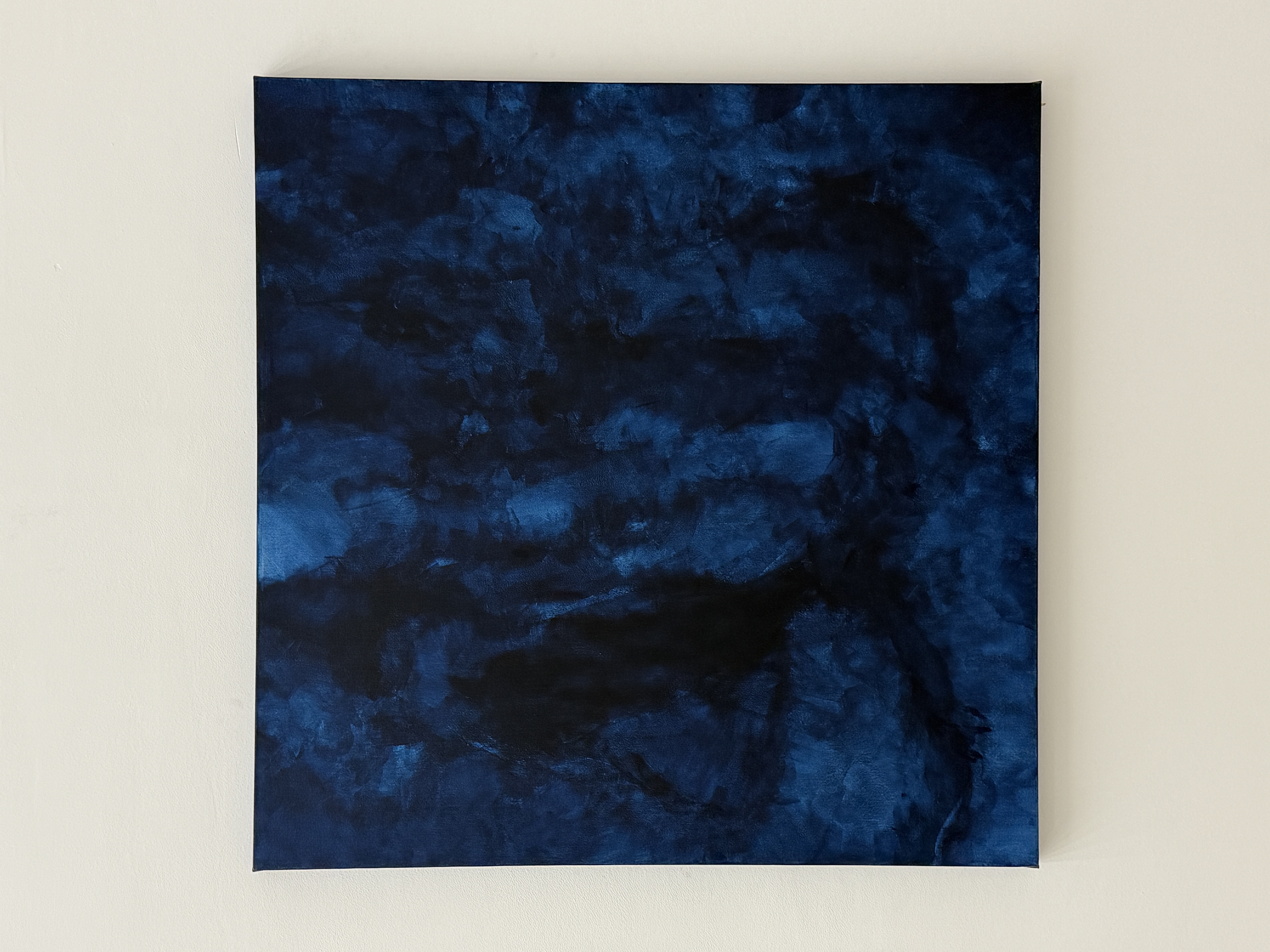
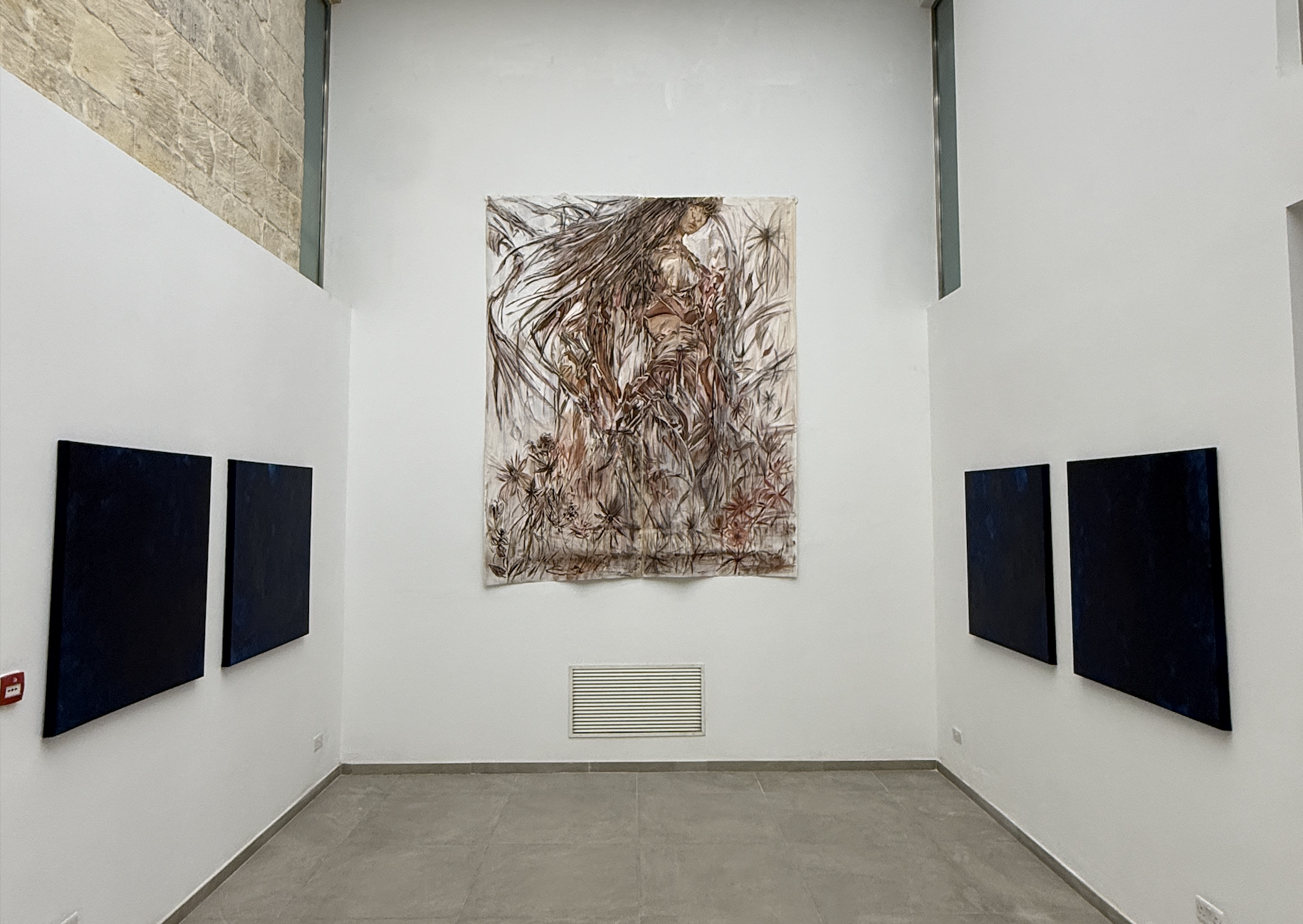
Cyril Sancereau, previously exhibited at Valletta Contemporary with Nothing But the Sea, brings a photographic attentiveness to the sea as both image and historical force. His work aims to resonate with the curatorial framing of the Mediterranean and Korean maritime worlds as routes of movement and domination. His dramatic, monochrome blue canvasses are an homage to the sea, and perhaps to its limitless monotony.
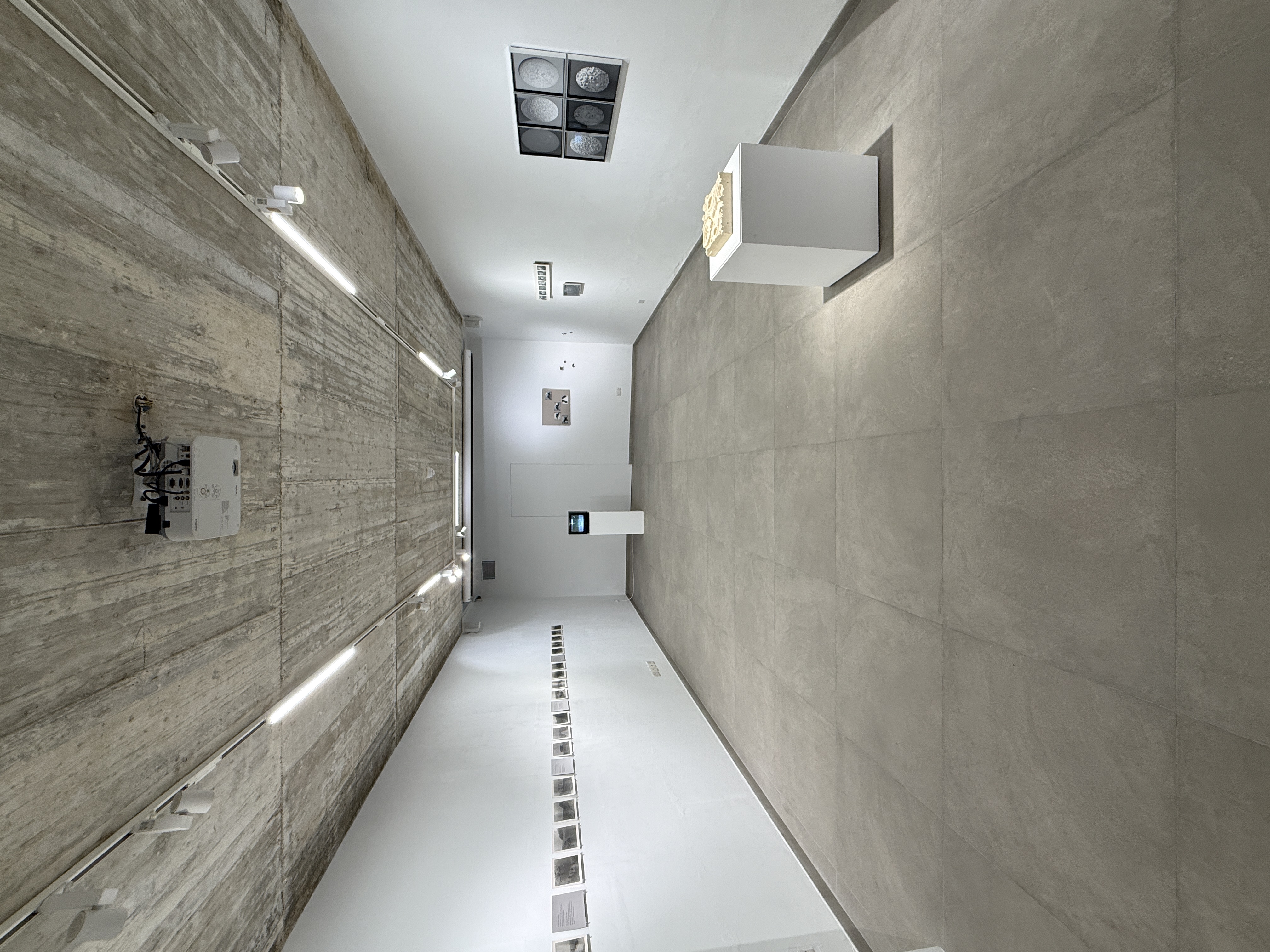
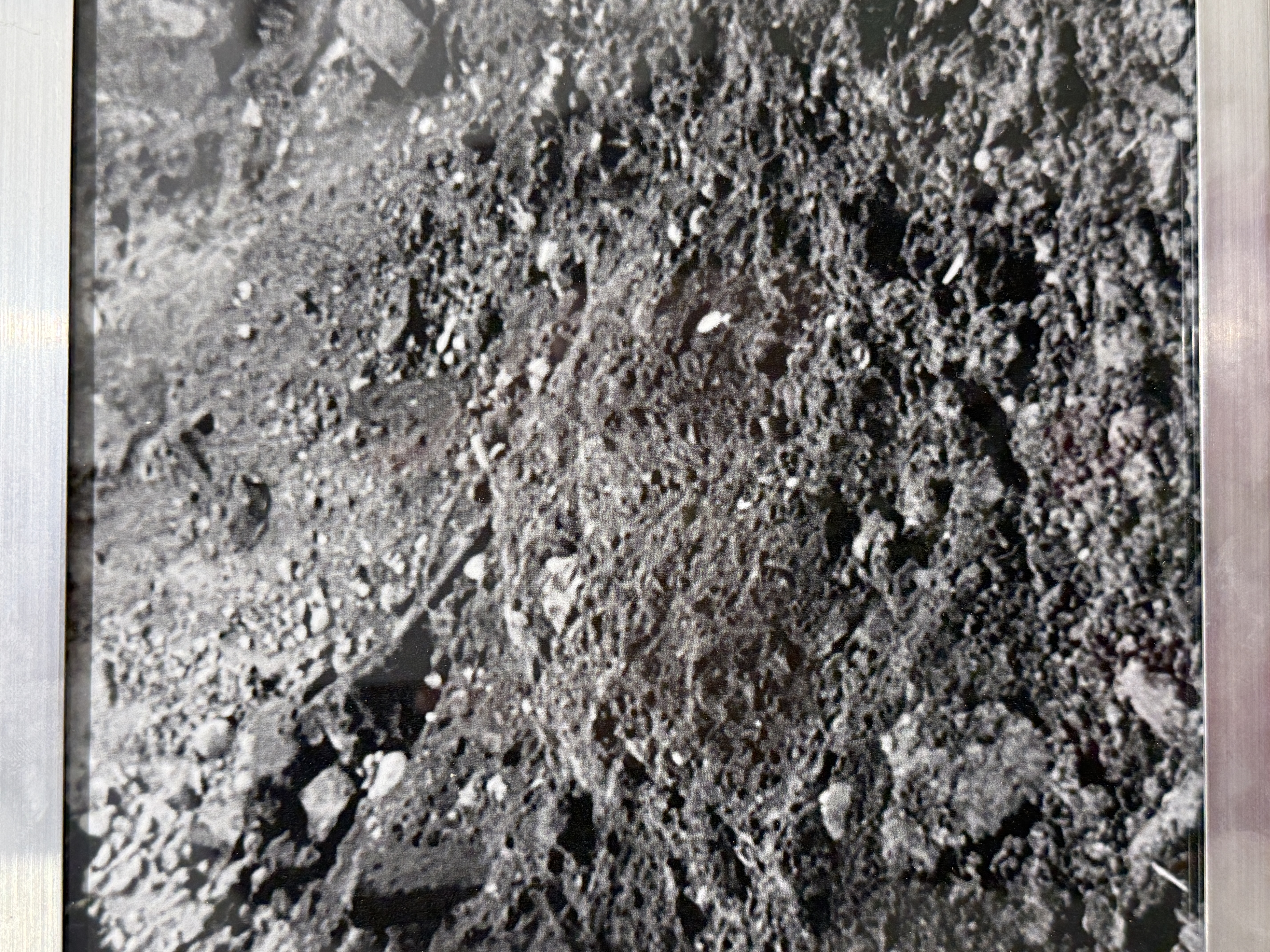
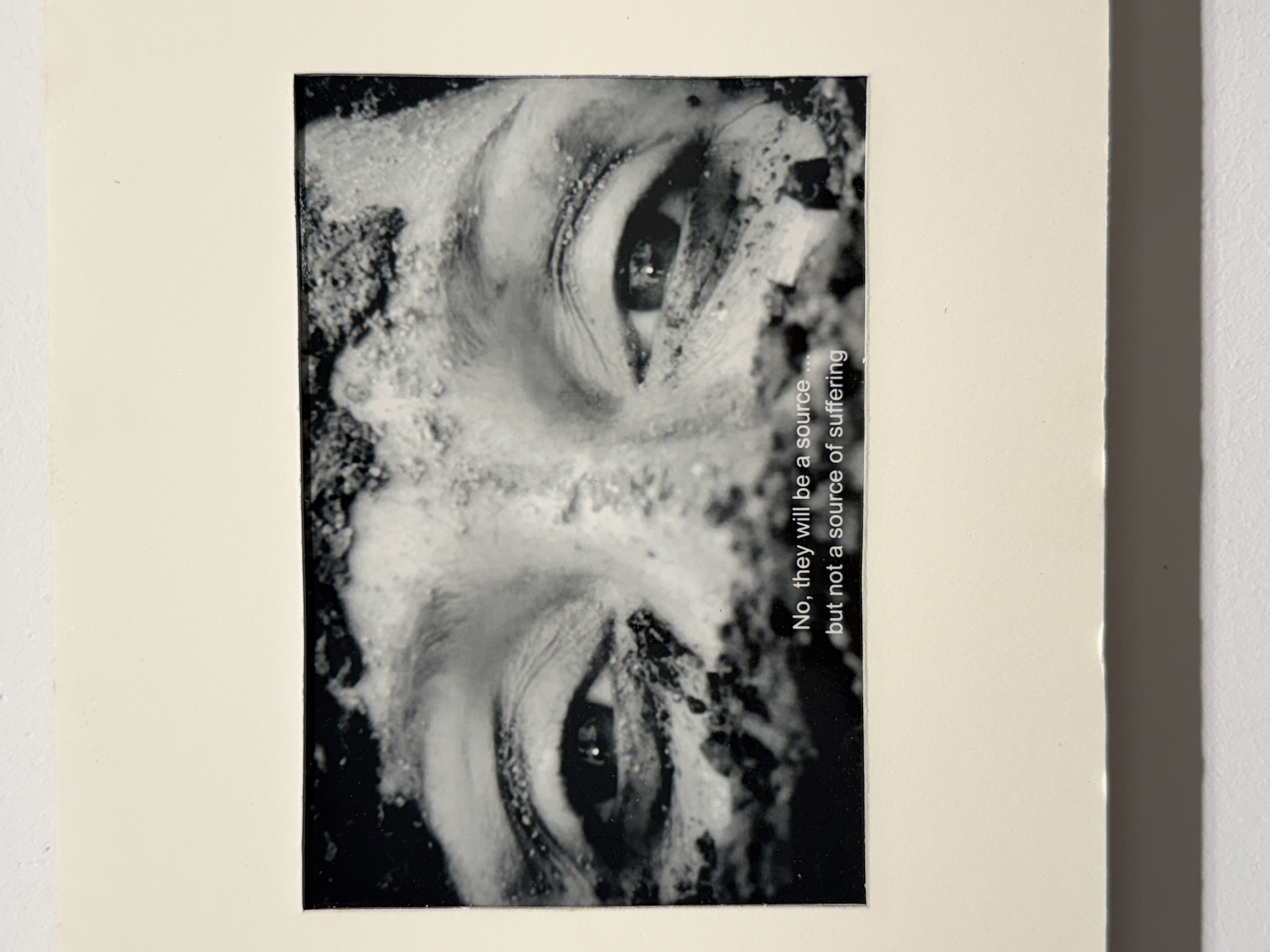
That colour contrasts with the many small black-and-white photos in the main gallery, hard to take in in such a large white space. Yeoul Son, also involved in the Malta–Korea liaison for the Gwangju project, helps sustain the exhibition’s cross-cultural thread. The Korean artists — Cha Ji Ryang, Minhee Kim, Minhoon Kim, Oh Sera and Yuja Kim — alongside Alberto Favaro and Julian Micallef, broaden the exhibition beyond a familiar Malta–Korea binary. Their inclusion makes the show’s real subject cultural permeability: how artists from different contexts physically experience another land and interpret its histories through their own sensibilities.
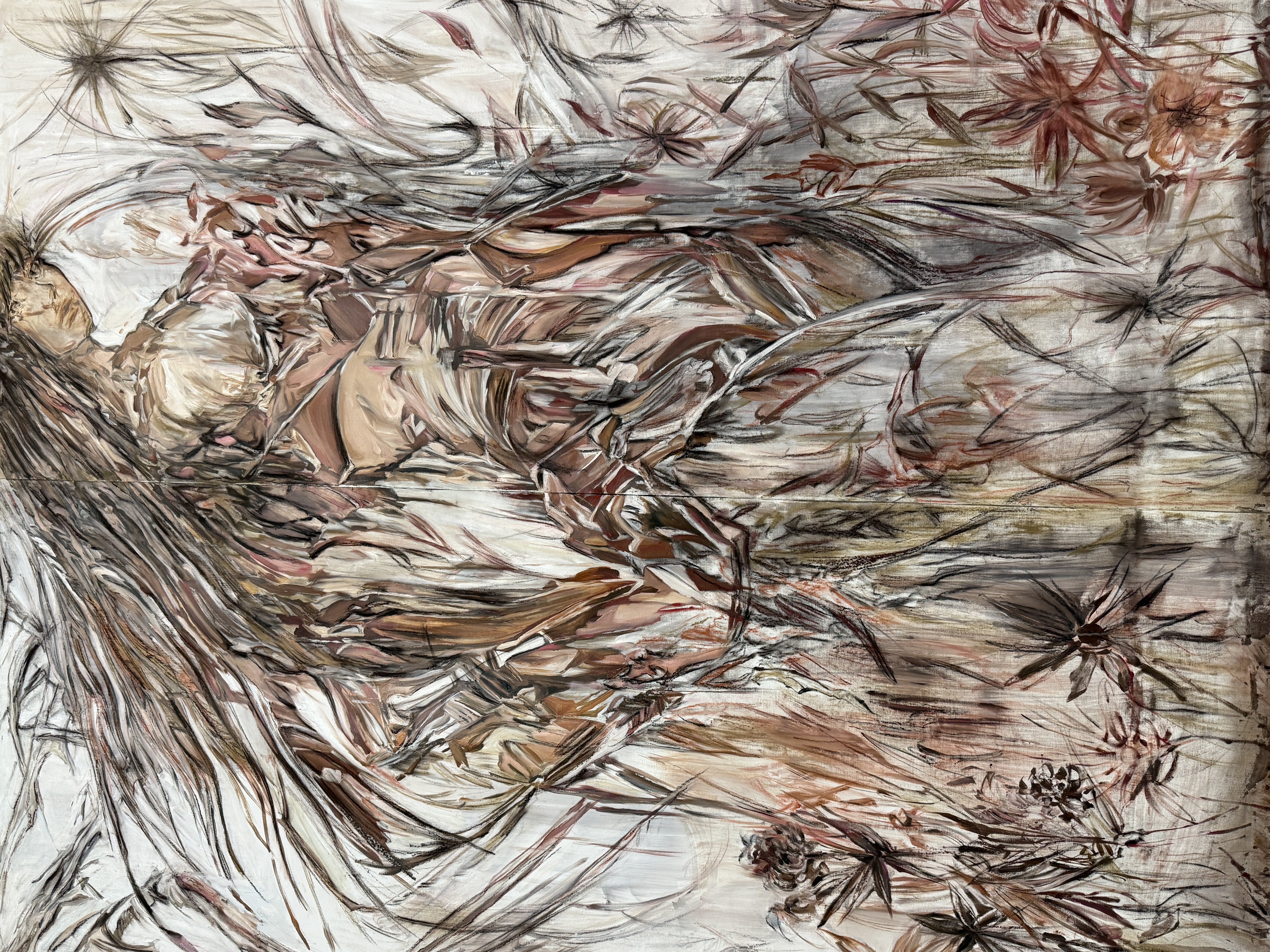
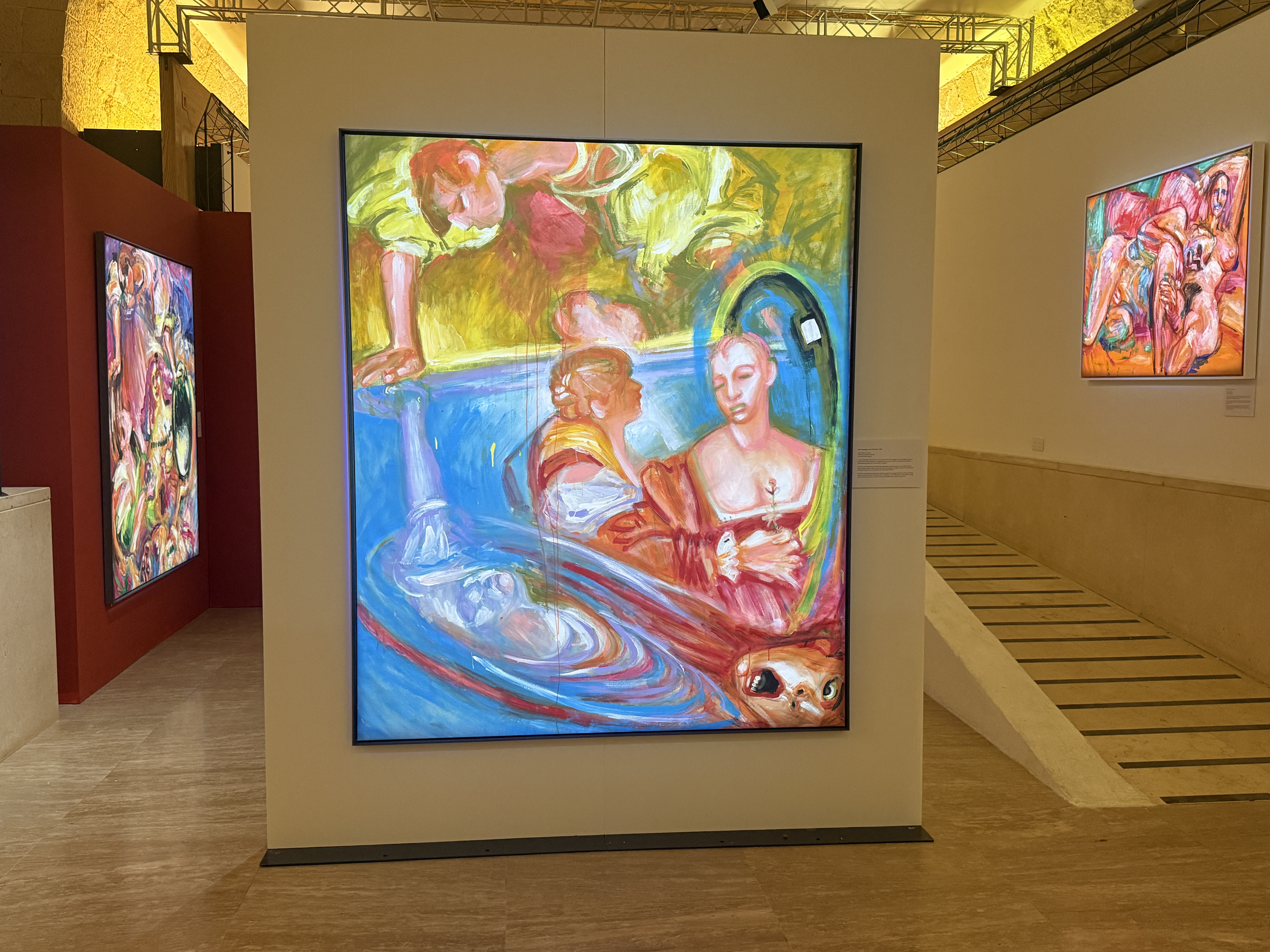
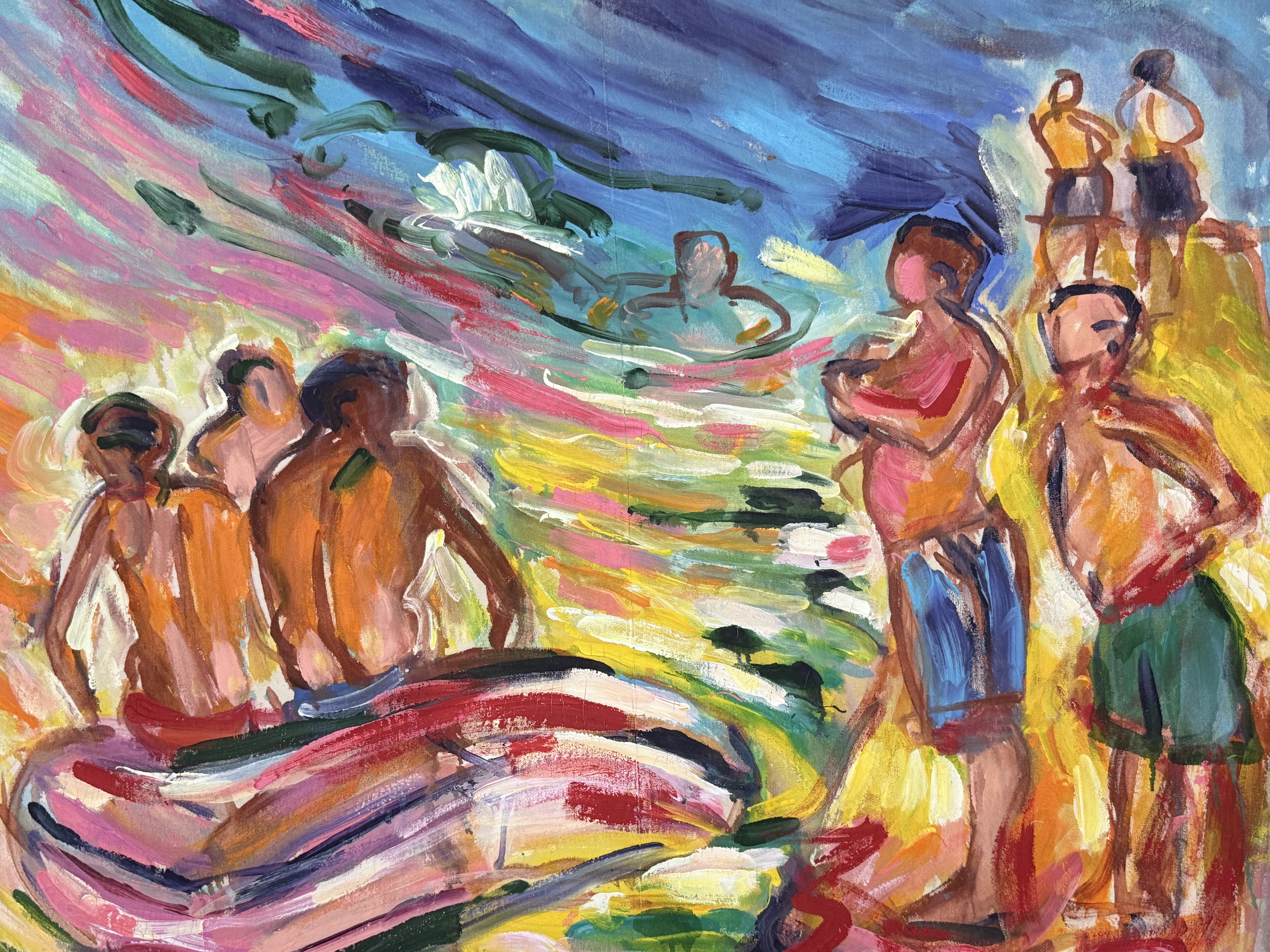
Minhee Kim’s enormous Sansuna, gazing out over Sancereau’s blues, is a highlight of the exhibition.
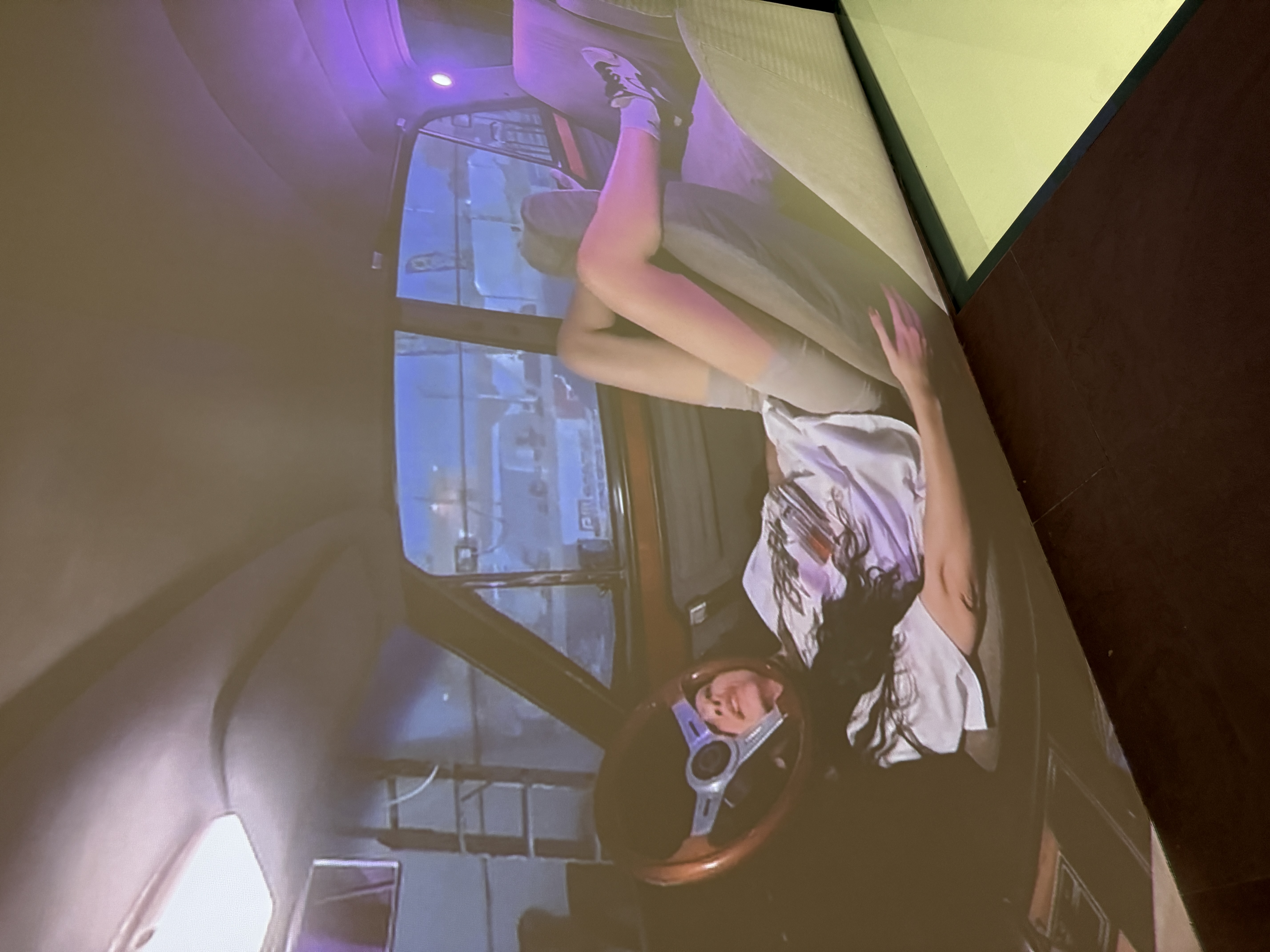
VR and embodied encounter: a distinctive element of the exhibition is the programme of 360-degree VR performances by Charlene Galea; Tara Dalli and Felix Deepen; Romeo Roxman Gatt; Keit Bonnici; Martina Georgina; More Zmin; and KIM ON. These works prevent the exhibition from remaining a conventional gallery display. They ask the visitor to enter constructed viewpoints, to move through places that are simultaneously intimate and mediated. It is just a shame that only two at a time can partake in the VR, and that it does not come across as cutting edge in technological terms.
Two works are worth considering: Martina Georgina’s DAD 001, filmed in her father’s garage in San Gwann, and Euljiro Lady, filmed in Seoul’s Euljiro 4 district. The contrast is telling: one turns a private Maltese family space into a virtual environment, while the other translates a Korean urban landscape into an immersive encounter. Both exemplify the exhibition’s idea that place is not fixed; it is carried, reinterpreted and released in another form.
A quietly ambitious show: The Earth Will Swallow and Swallow succeeds best in that it resists spectacle-led diplomacy. It does not present Malta and Korea as exotic counterparts, nor does it reduce exchange to flags, foods or formal similarities. Instead, it proposes that cultures leave residues in one another — through language, sound, image, memory and bodily experience.
Ultimately, Moon Hyun Jeoung has curated an exhibition about transformation without pretending transformation is easy. Its artists do not simply “represent” Malta or Korea; they swallow places, histories and impressions, then give them back altered. In doing so, The Earth Will Swallow and Swallow makes a persuasive case that contemporary art can still model a more porous way of belonging to the world.
The exhibition asks a great deal of its audience: to think about colonial and maritime histories, technological mediation, poetic metaphor and personal geography all at once. But that ambition is appropriate to Valletta Contemporary, an independent gallery that has consistently positioned itself as a space for ambitious local and international contemporary art since opening in 2018. The exhibition is supported by a strong band of arts lovers: the Minister for Arts, Culture and National Heritage Dr Malcolm Paul Agius Galea, the Permanent Secretary Carlos Tabone, the Malta Tourism Authority, the Ministry for Foreign Affairs, Visit Malta, the Culture Venture fund, and even Demajo Wines and Spirits. Hopefully there will be many more exhibitions here showcasing local talent.
<!-- GALLERY -->