Malta Island: A Complete 2026 Travel Guide to the Gem
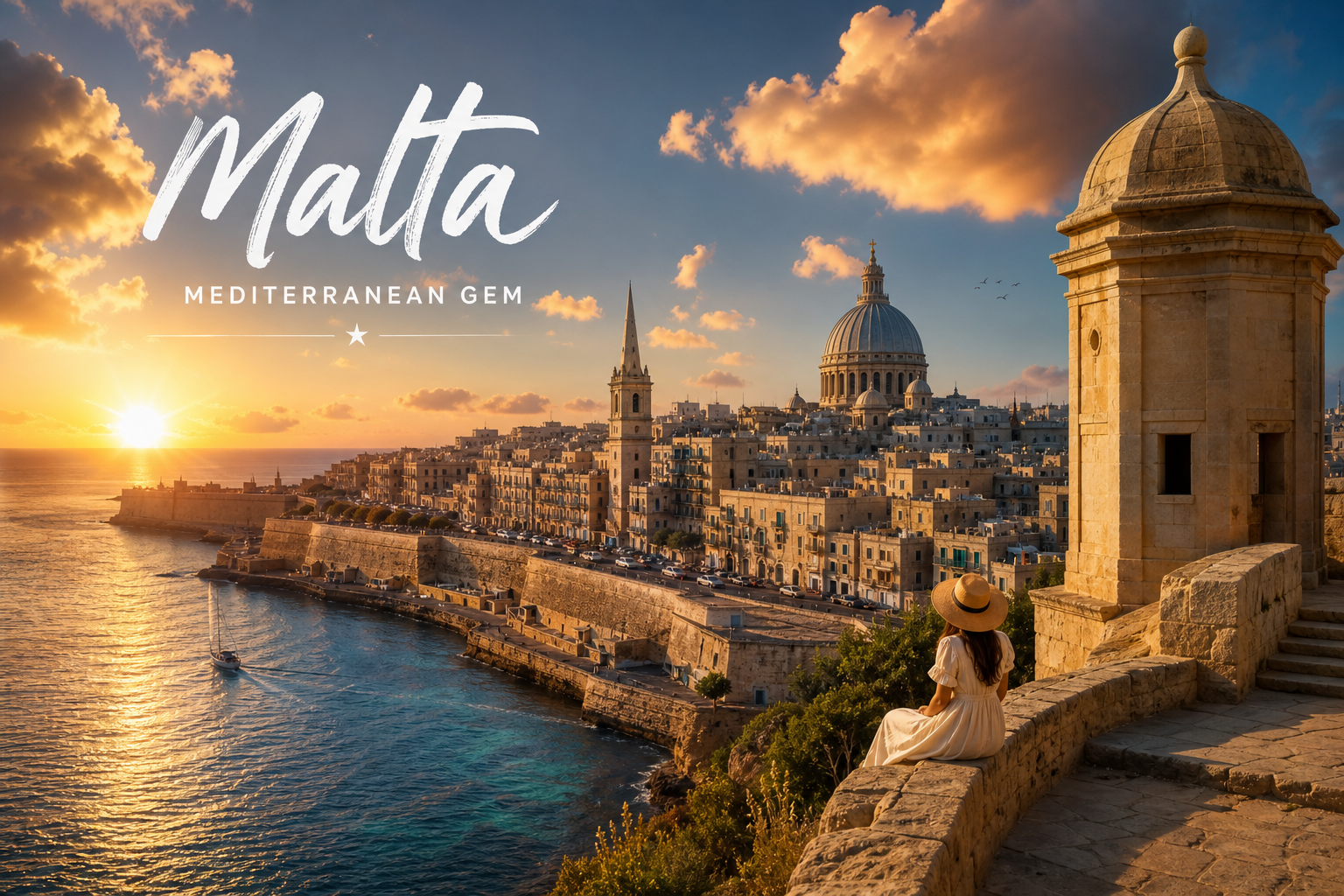
Malta island punches well above its weight. One of the smallest countries in Europe, it holds three UNESCO World Heritage Sites across an archipelago roughly the size of a mid-sized city, yet the cultural depth here outlasts trips twice as long. First-time visitors often land expecting a beach holiday and leave slightly stunned by what they encountered: prehistoric temples older than the pyramids, a baroque capital built from scratch by a medieval military order, a language unlike anything else in the European Union.
This guide covers everything you need to decide whether Malta island belongs on your 2026 travel list, and if it does, how to move through it without wasting a single day. You'll find the island breakdown, the right time to visit, the sights worth your time, the logistics, and three complete itineraries mapped to how many days you actually have.
What makes Malta island unlike any other Mediterranean destination
The Maltese archipelago covers roughly 316 square kilometers, yet Arabs, Normans, the Knights of St. John, and the British all left permanent marks here, layered on top of far earlier Phoenician and Roman settlements whose traces still surface in archaeological digs across the island. That layering is what sets Malta apart from Greece or Croatia. You're not visiting one era of history; you're walking through several at once, often within the same city block.
The Maltese language tells that story more clearly than any museum exhibit. It's Semitic in structure, written in Latin script, and woven through with Italian and English, the only standardized Semitic language written exclusively in the Latin alphabet, and the sole Semitic language in the EU. The cuisine, the architecture, and the people reflect the same hybrid identity: Malta absorbed centuries of outside influence without losing itself, and that tension makes it fascinating to explore rather than simply picturesque.
The compact geography works in your favor in a practical way. You can drive across the main island in under an hour in light traffic. A well-planned day can cover a prehistoric temple, a baroque capital, a fortified hilltop city, and a sunset over the Grand Harbour. Few destinations offer that kind of density without feeling rushed, and that's the central argument for Malta over a longer, larger destination.
The three Maltese islands, each worth your time
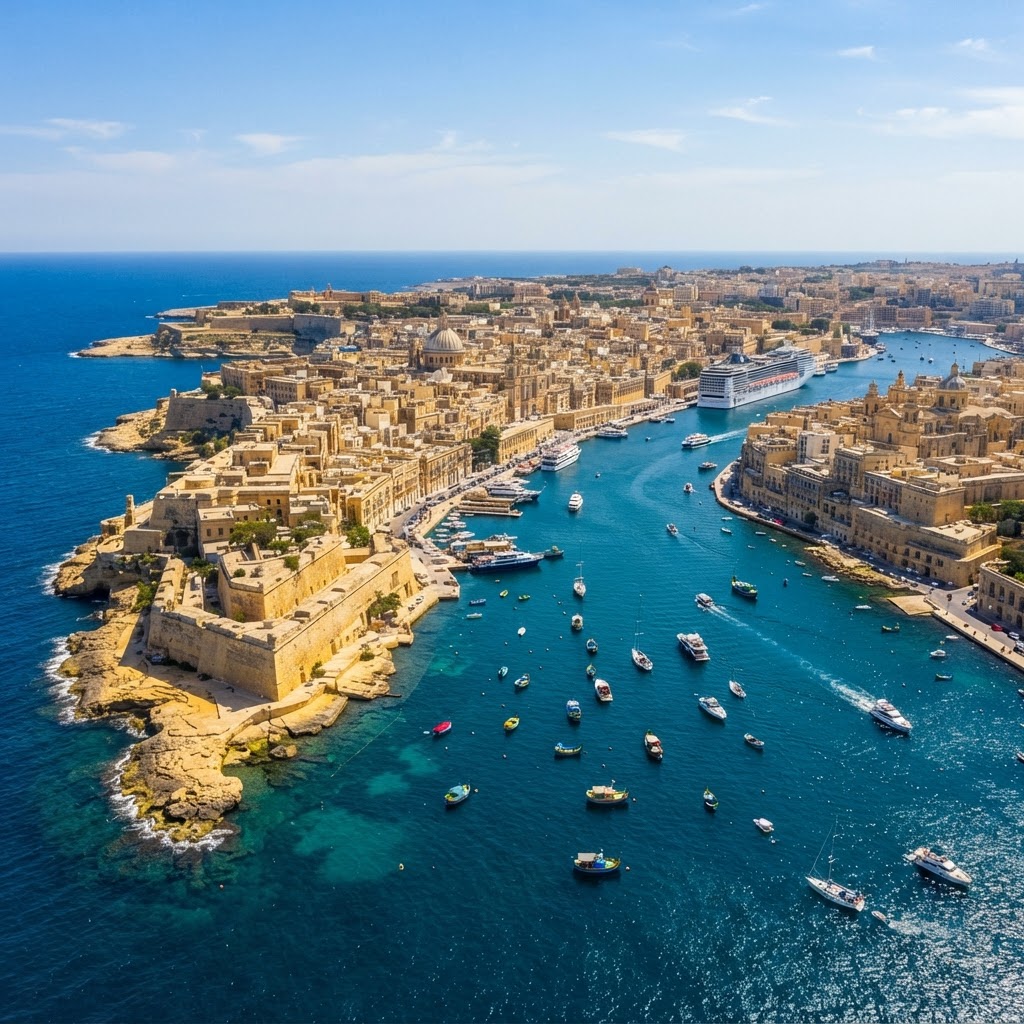
The main island holds the capital Valletta, the medieval Silent City of Mdina, the Three Cities (Birgu, Senglea, and Cospicua), and the coastal strip of Sliema and St. Julian's. Each zone has its own personality. Valletta is baroque and walkable; Mdina is walled and quiet; the coastal strip is where the restaurants, nightlife, and ferry connections live. Most visitors base themselves here, and it makes logistical sense.
Gozo is where you go when you want Malta with the volume turned down. The island is noticeably greener, the towns are more rural, and the pace is unhurried in a way that feels deliberate rather than sleepy. It's also home to Ġgantija, one of the oldest freestanding structures on earth, built around 3600 BCE and predating Stonehenge and the Egyptian pyramids by centuries. A day trip covers the highlights; an overnight stay rewards the curious traveler who wants to see the island after the day-trippers have gone home.
Comino is very sparsely populated with minimal facilities. What it has is the Blue Lagoon: a protected bay with luminous turquoise water over a white sandy seabed. Day-trippers arrive by boat from both Malta and Gozo, which means timing matters. Early morning arrivals, around 8:30 AM, get the lagoon close to empty. By midday in summer, the anchorages fill and the beach is crowded. Getting there early is the single most important logistics decision for this part of the trip.
When to visit the Maltese islands
September is consistently the strongest month for a first visit. Temperatures sit between 20 and 28°C, the summer crowds have thinned, sea temperatures are still warm at around 25°C, and accommodation prices drop noticeably from their August peaks. Visibility for diving and snorkeling is excellent, and you can actually walk around Valletta at noon without suffering. May offers the same logic at the start of the season: comfortable temperatures, manageable crowds, and sea temperatures just warm enough for swimming.
July and August bring the highest temperatures, often 30 to 38°C, the most crowded beaches, peak prices, and Malta's legendary village festas. If you want the full summer Mediterranean experience, evening street festivals, a buzzing nightlife strip, and maximum sunshine hours, this window delivers. Plan outdoor sightseeing before 11 AM and book accommodation months in advance.
November through February brings mild temperatures, occasional rain, and significantly lower prices across hotels and flights. The islands are quiet in a way that lets you appreciate the fortifications, the temples, and the harbors without competing for space. Spring hiking along Malta's coastal paths in March and April is excellent and remains one of the archipelago's most underrated experiences.
Top sights on Malta island and how to actually experience them
Valletta and Mdina
Valletta is a capital built entirely by the Knights of St. John in the 16th century, and it still looks the part. St. John's Co-Cathedral houses Caravaggio's The Beheading of Saint John the Baptist, the only work he ever signed, and by most accounts his masterpiece. The gilded interior is overwhelming on first entry. The Upper Barrakka Gardens frame the Grand Harbour in a way that justifies the trip by itself. Consider allowing a full day for Valletta rather than the three hours many itineraries suggest. The neighborhoods behind the main tourist strip are quieter, more local, and just as architecturally interesting.
Mdina, 20 minutes inland, earns its nickname. The Silent City has no through traffic, thick limestone walls, and a cathedral square that feels medieval at dawn or dusk. Time your visit for early morning or late afternoon to get the quality of light and the absence of tour groups. The views from the bastion walls over the central plain toward Valletta are among the best on the island.
Blue Grotto and coastal boat tours
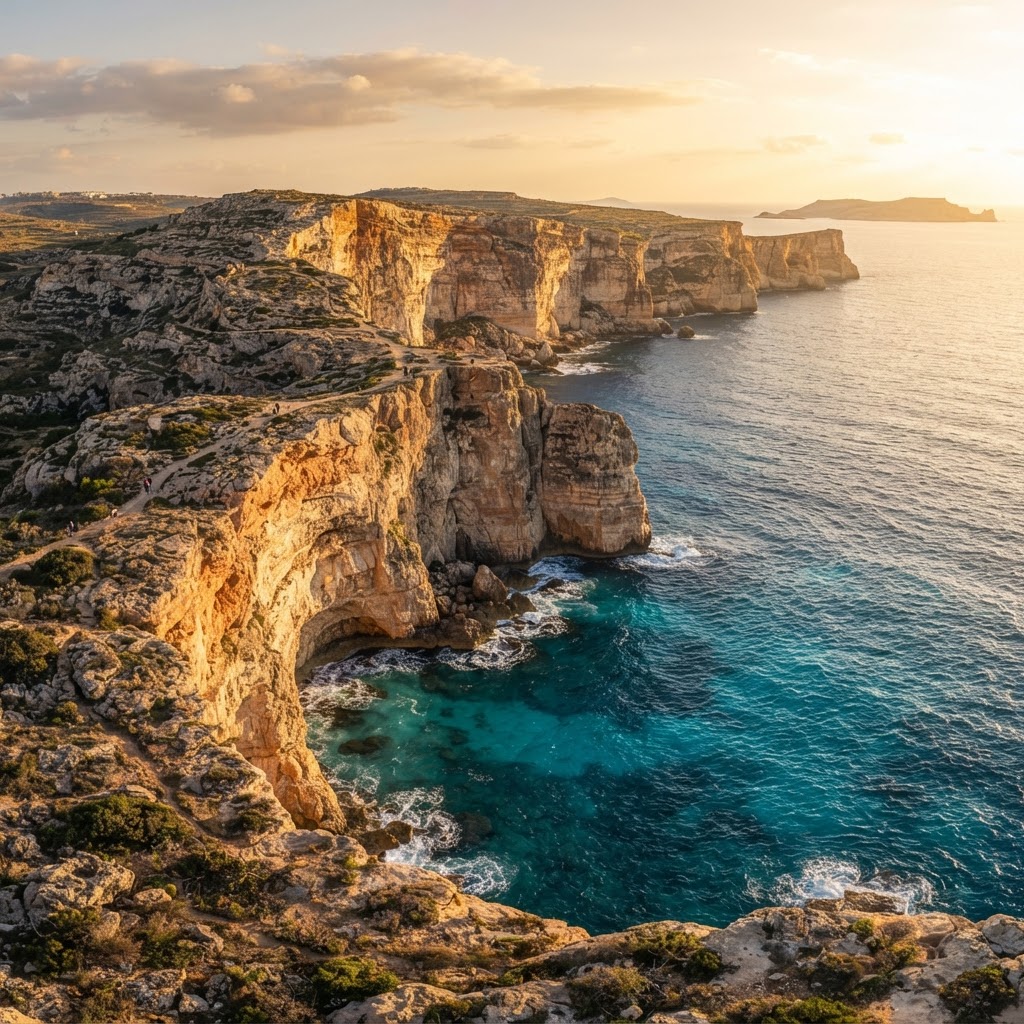
Malta's most dramatic geography is its sea cliffs, sea caves, and hidden coves, and many of the best spots are impossible to reach on foot. The Blue Grotto on the southwest coast is a series of limestone caverns that glow turquoise in the morning light; the only way in is by small boat, with traditional luzzu vessels operated by local fishermen. A well-reviewed boat tour of the Blue Grotto will take you through the caves, across to Comino's Blue Lagoon, and past stretches of coastline that most visitors never see. Booking an early morning departure gets you calmer water, better light inside the caves, and a Blue Lagoon that hasn't yet filled with day-trippers. Combination tours from Sliema or Valletta typically run €30 to €50; if you want to set your own pace, a private charter costs more but gives you the whole coastline on your schedule.
Marsaxlokk fishing village
Marsaxlokk, Malta's main fishing village, is best visited on a Sunday morning when the market is running and the traditional luzzu boats, brightly painted wooden vessels with painted eyes on the bow, are moored along the harbor. The catch sold at the market runs heavily to local fish like lampuki and dentici, which end up on the plates at the waterfront restaurants by lunchtime. It's the kind of place that slows the trip down in the best possible way, and it's one that most organized tours skip entirely.
Getting to Malta island and moving between the islands
Malta International Airport in Luqa is the single point of entry by air, well-connected to most European cities via Ryanair, easyJet, Wizz Air, KM Malta Airlines, and others. Direct routes serve over 100 destinations across 35 countries, which means reaching Malta from most of Europe involves a flight of two hours at most. The airport is compact and efficient; buses or taxis into Valletta, Sliema, or St. Julian's take 30 to 45 minutes depending on traffic.
Getting to Gozo means taking the public Gozo Channel Line ferry from Ċirkewwa in northern Malta to Mġarr, a 25-minute crossing that runs every 30 to 45 minutes starting from 5:30 AM daily. You can also check Malta, Gozo ferry schedules on Ferryhopper for timetable details and fares. Pedestrian return fares run around €5; a car with driver adds roughly €20 to €25. Comino is accessible only by boat, either via a scheduled ferry service or through a guided boat tour. Public buses on the main island are inexpensive at €2 per trip, and the ride-sharing app Bolt fills the gaps where buses don't reach. You don't need a rental car unless you're planning multiple day trips on tight timing.
Choosing your itinerary length and daily budget
A three-day Malta itinerary covers the essentials without waste. Day one goes to Valletta and the Three Cities. Day two runs an early morning boat tour to the Blue Grotto and Blue Lagoon, returning by early afternoon, followed by Mdina at sunset. Day three is a full Gozo day trip including Ġgantija and the island's hilltop villages. Three days is tight but coherent.
A five-day trip allows you to slow down in each location, add Golden Bay or Marsaxlokk, spend proper time in Sliema and St. Julian's, and still reach Gozo without rushing. Seven days opens up a night on Gozo, a deeper exploration of Valletta's neighborhoods, and the flexibility to let weather or mood guide the pace. The seventh day, with no agenda, is often the one people remember most.
Budget travelers managing hostel dorms, street food, and public buses can get by on €40 to €95 per day. Mid-range visitors in 3-star guesthouses eating at a mix of local and tourist restaurants should plan for €125 to €260 per day. Luxury travelers in 4 and 5-star hotels with private tours and fine dining will spend €260 and above. Summer prices run noticeably higher across all categories; September and shoulder season bring those numbers down in a meaningful way.
The case for coming back to Malta island
Malta rewards travelers who engage with it rather than simply pass through. The history runs deeper than most visitors expect, the coastline is as dramatic as any in the Mediterranean, and three islands are actually easier to navigate than one sprawling destination once you understand the layout. Pack an area smaller than many European cities with this density of significant places, and a short trip here consistently delivers more substance per day than you'd anticipate going in.
Whether you have three days or seven, the key is front-loading the decisions: nail down your timing, pick your base, book the early morning boat tour, and let the rest unfold from there. For most first-time visitors to Malta island, one trip quietly produces plans for a second.