Gozo, Malta: The Ultimate 2026 Guide to the Island
Gozo, Malta: Complete Guide to the Island Next Door
Gozo is Malta's smaller, quieter sister island, separated from the main island by a 25-minute ferry crossing. It has a completely different atmosphere from the main island: less developed, more rural, with dramatic coastal scenery, ancient temples, rolling fields, and a pace that makes many visitors wonder why they didn't build their whole trip around it.
This guide covers what Gozo is, how to get there, what to actually do, and how to decide whether a day trip is enough or whether you should stay longer.
What and Where Is Gozo?
Gozo (in Maltese, Għawdex) is the second largest island in the Maltese archipelago. It's roughly a third the size of Malta, with a population of around 33,000. It sits to the northwest of the main island, across a stretch of sea called the Gozo Channel.
Where Malta feels urban, dense, and busy — particularly around the coastal strip — Gozo feels genuinely rural. There are villages with baroque churches towering over small squares, fields of farmland, cliffs that drop straight to clear water, and an absence of the construction noise and traffic that defines life in central Malta.
People come to Gozo for different reasons:
- Scenery and walking — the coastal paths, clifftops and countryside are some of the best in the Maltese archipelago
- Beaches — Gozo has a handful of genuinely beautiful bays, including what many consider the best sandy beach in the archipelago
- Diving — Gozo's clear water and dramatic underwater topography make it one of the top diving destinations in the Mediterranean
- A slower pace — people who find the main island too busy often find Gozo restorative
- Photography and history — the Citadel in Victoria, the salt pans at Xwejni, and the Ggantija prehistoric temples all reward careful exploration
How to Get to Gozo
The Ferry
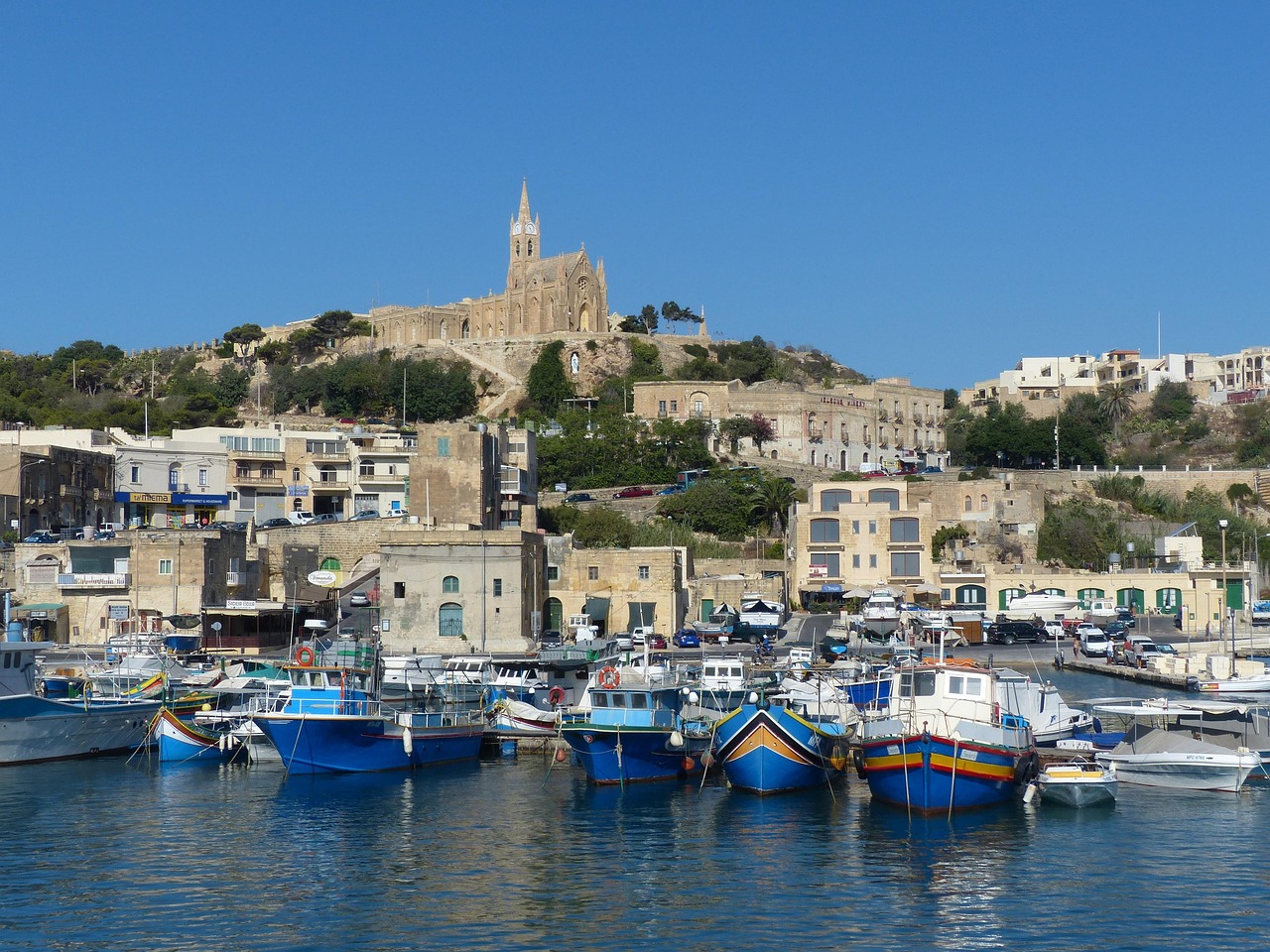
The main way to reach Gozo is the car and passenger ferry running between Ċirkewwa (northern Malta) and Mġarr (Gozo). The crossing takes roughly 25 minutes and runs frequently throughout the day and night, with more frequent departures in peak season. You don't need to pre-book as a foot passenger — just turn up. Car drivers sometimes face longer queues in peak summer.
Passengers travelling from Malta to Gozo travel free; the fare is charged on the return crossing. It's a modest cost per person.
Getting to Ċirkewwa from central Malta: Allow around 1–1.5 hours by public bus from Valletta, depending on connections and traffic. If you have a car, it's faster but involves navigating Malta's northern roads. Factor this into your planning — Gozo day trips require an early start from central Malta if you want to make the most of your time there.
Organised Day Tours
Many tour operators run Gozo day trips from Sliema, Valletta and the main tourist areas. These typically include ferry crossing, transport around Gozo, and stops at major sights. They're a convenient option if you don't want to navigate independently and aren't interested in a car hire.
Pros: No logistics stress, efficient coverage of main sights, guide context. Cons: You're on someone else's timetable, limited flexibility, less time at any individual spot.
Hiring a Car on Gozo
Car hire is available on Gozo — you can either bring your rental car on the ferry from Malta or hire one directly on Gozo from the Mġarr terminal. For a day trip covering multiple coastal spots, a car makes the logistics significantly easier. Gozo's roads are manageable and less congested than Malta's.
Gozo by Bus
Gozo has its own bus network centred on Victoria. Routes reach the main villages and some beaches, but coverage is less comprehensive than Malta's. For a focused visit to Victoria and nearby sights, buses are fine. For reaching coastal spots like Hondoq or the salt pans, a car or taxi is more practical.
Top Things to See and Do in Gozo
Towns and Villages
Victoria (Rabat) is Gozo's capital and the obvious starting point. The town itself is lively and characterful — market square, cafés, local shops, Maltese bakeries. But the reason to visit Victoria is the Citadel: a fortified hilltop town within the town, ringed by bastions and containing a cathedral, a small collection of museums, and panoramic views in every direction. The Citadel is compact but genuinely impressive, and the views over the Gozitan countryside from the bastions are among the best on the island.
The villages scattered across Gozo each have their own baroque church dominating a central square. Xagħra, near the Ggantija Temples, is particularly pleasant. Marsalforn, on the northern coast, is Gozo's main seaside town and feels more alive in summer without being overwhelming.
Beaches
Ramla Bay is Gozo's showpiece beach and one of the most distinctive in the Maltese archipelago. The sand is a striking reddish-orange colour found nowhere else locally, the bay is wide and well-sheltered, and the surroundings feel genuinely natural without heavy development. It's also one of the few beaches in the archipelago where you can have a relatively spacious experience even in summer — though it does get busy, particularly on weekends.
Hondoq ir-Rummien, in the south of Gozo, is a smaller cove with exceptional water clarity and good snorkelling. It's less well-known than Ramla and rewards the extra effort to reach it. Views towards Comino add to the appeal.
Xlendi Bay, in the southwest, is more of a scenic sea inlet than a beach — steep cliffs, a small patch of sand and rocky swimming, and a waterfront lined with restaurants. The snorkelling along the cliffs is excellent and the setting is dramatic, particularly at sunset.
Scenic Spots
The Salt Pans at Xwejni (near Marsalforn) are one of those places that's visually unlike anything else on the islands. Centuries-old salt pans cut into the rocky coastline, filled with shallow seawater that evaporates in summer to leave salt crystals. You can buy Gozitan sea salt directly from local producers at small stalls near the pans.
Ggantija Temples near Xagħra are among the oldest freestanding structures on earth, predating Stonehenge and the Egyptian pyramids by over a thousand years. They're UNESCO World Heritage listed and genuinely awe-inspiring in scale and age. Allow 45–60 minutes and consider getting a combined ticket that includes the small on-site museum.
The cliffs at Ta' Ċenċ, in the south, are dramatic limestone cliffs overlooking the sea. Less visited than the main beaches, and a good spot for late afternoon light.
Note: The Azure Window, Gozo's famous rock arch, collapsed into the sea in 2017 during a storm and no longer exists. It's still frequently mentioned in older guides and travel content — if you see it referenced, the information is outdated.
Gozo in One Day – Sample Itinerary
This plan assumes you're arriving by ferry as a foot passenger or with a hire car, reaching Mġarr by around 9–9:30am.
Morning (9:30am–12:30pm): Head straight to Victoria. Explore the Citadel first — it's at its least crowded early in the day. Allow an hour or more for the bastions, cathedral, and the view. Then spend time in Victoria itself: a coffee, a pastry from a local bakery, a walk through the market area.
Late morning to early afternoon (12:30–3pm): Drive or take a bus to Ramla Bay. Swim, relax, and have lunch at one of the beach restaurants. In peak summer, the beach is busier by midday but still more manageable than the equivalent on Malta. This is a good time to slow down and spend time at the water rather than rushing between sights.
Afternoon (3–6pm): Drive north along the coast towards Marsalforn and then west to the Salt Pans at Xwejni. Stop at the salt pans, buy some local salt if you like, and walk a little further along the coastal path if the light is good. If time allows, continue to Xlendi for a late afternoon drink above the bay.
Evening: Aim to catch the return ferry at a time that suits your plans on Malta. The last ferry of the day runs late, so there's no pressure to rush back early. A final meal in Victoria or Marsalforn before heading back is a good use of the last hour or two.
This covers the main highlights at a reasonable pace without feeling frantic. If you're without a car, simplify the plan around Victoria + Ramla, both reachable by Gozo's bus network from the ferry.
Should You Stay Overnight on Gozo?
A day trip gives you a genuine taste of Gozo. Staying overnight — or for two or three nights — gives you something completely different.
The case for staying longer:
- The island at dusk and dawn is noticeably calmer and more atmospheric without day-trippers
- You can reach coastal spots in the morning before the boats and tour groups arrive
- Walking and hiking the island properly requires more than a single day
- Divers typically stay multiple nights to complete courses or dive multiple sites
- The pace genuinely slows down once you're not watching the clock for the last ferry
Who benefits most from staying:
- Couples wanting a quieter break within a Malta trip
- Hikers and walkers who want to explore the coastal paths
- Divers
- Remote workers or digital nomads looking for a few slow days
- Anyone who finds central Malta too busy and wants a contrast
When a day trip is enough:
- You have limited time and want to cover the main sights efficiently
- You're on a 4–5 day Malta trip where Gozo is one of several priorities
- You're not a slow-travel type and prefer to see more, more quickly
The honest answer is: most people who stay on Gozo are glad they did. Most people who do it as a day trip enjoy it but wish they'd had more time.
Where to Stay on Gozo
Victoria area: Convenient for transport and the widest range of restaurants and cafés. More practical than atmospheric for accommodation, but it puts you close to everything.
Marsalforn: Gozo's main seaside town, with a seafront promenade, restaurants, and a more relaxed social scene in summer. Good for those who want to be near the water and have a bit more going on in the evenings. A popular base for divers.
Xlendi: A smaller, more scenic village in a bay on the southwest coast. Quieter, with beautiful surroundings, good for those who want to swim and relax without much else.
Countryside farmhouses and converted houses: Gozo has a strong tradition of renting traditional stone farmhouses, often with private pools, in villages across the island. These are often the best value for groups or families and offer an experience you simply can't replicate on the main island. They tend to book out well in advance in summer. This type of accommodation is one of Gozo's genuine strengths.
Practical Tips for Visiting Gozo
A car makes a significant difference. Gozo's bus network serves the main routes but leaves many of the most interesting coastal spots unreachable without a taxi or private vehicle. If you're spending more than a day on the island and plan to explore beyond Victoria and Ramla, hiring a car (or bringing yours on the ferry) is worth the cost.
The terrain is hillier than it looks. Gozo is not flat. The Citadel, in particular, involves steep cobbled streets. Coastal paths vary from easy walks to scrambles across uneven rock. Wear comfortable shoes and be realistic about the terrain.
Heat management applies here too. Gozo's countryside feels cooler than central Malta, but the summer heat is the same. Plan walks and coastal hikes for the morning or late afternoon.
Food and shops: Victoria has supermarkets, bakeries, restaurants and most things you might need. Smaller villages have less available, and some coastal spots have very limited facilities. If you're heading somewhere remote for the afternoon, carry water and food.
The ferry runs late. You don't need to rush back. The crossing operates throughout the night with less frequent services, so missing the early evening ferry isn't a disaster — you'll just wait for the next one.
For context on onward Malta travel once you're back on the main island, see our getting around Malta guide, and our 3–7 day itinerary shows where Gozo fits into a typical first-trip plan.