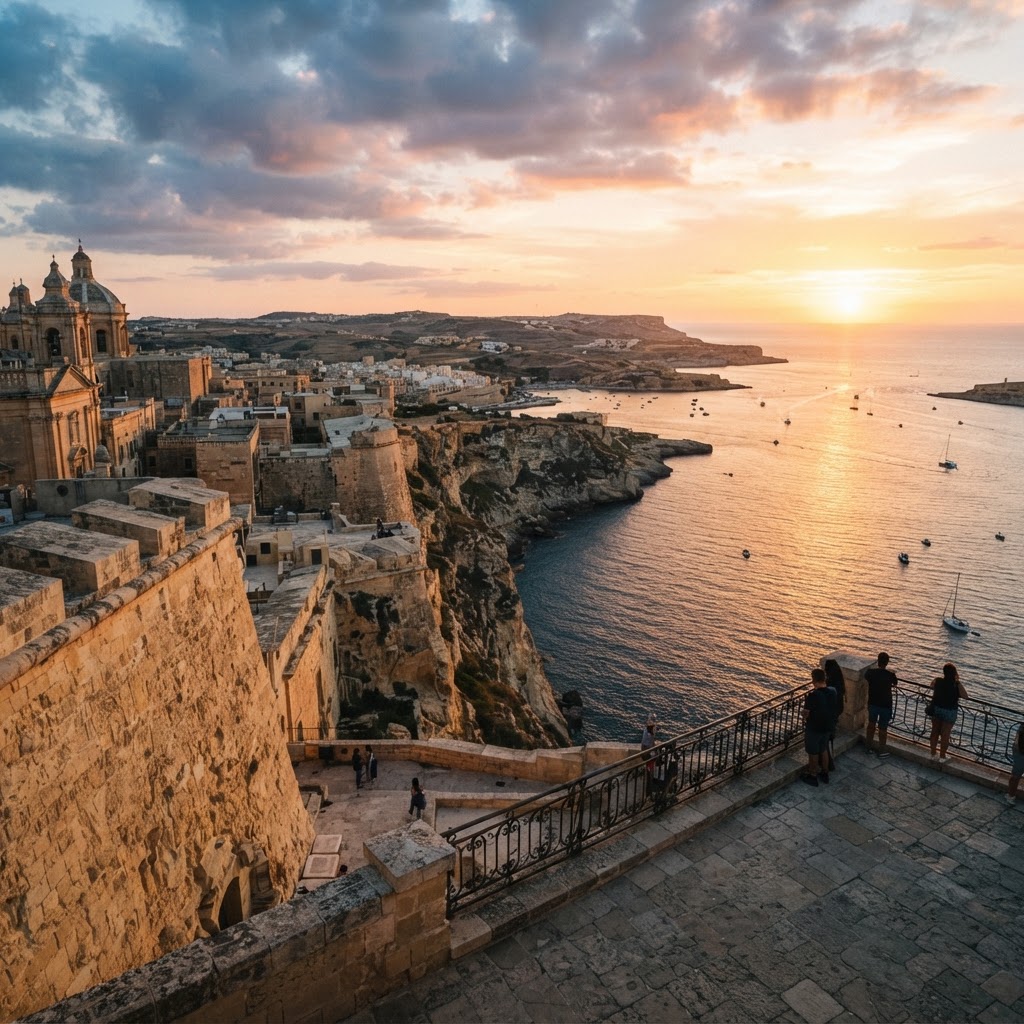
Diving in Malta, Gozo & Comino: The Complete 2026 Guide
Malta is one of the Mediterranean's best-kept diving secrets — clear, warm water, minimal current, and an unusually high concentration of wrecks and dramatic limestone formations packed into a small area. Two of its dive sites, the Blue Hole in Gozo and Cirkewwa in Malta, are regularly rated among the best in Europe, and with over 80 known wrecks scattered across Maltese waters (around 15 regularly dived), there's genuinely something for every experience level.
Why dive Malta
- Year-round diving. Unlike much of the Mediterranean, Malta's diving season doesn't really close — even January and February, the coldest months, remain diveable in a good wetsuit.
- Visibility. Clear water is the norm rather than the exception, especially around Gozo and Comino.
- Density of sites. With Malta, Gozo and Comino all within a short boat ride of each other, you can dive wrecks, caves, and reefs across all three islands without long transfers.
Best dive sites in Malta
Um El Faroud (off Wied iż-Żurrieq) — a former oil tanker deliberately scuttled as an artificial reef, now split into two sections by a later storm and resting around 36m. A dramatic, well-established wreck dive for experienced divers, often visited by groupers and barracuda.
P29 Patrol Boat (Cirkewwa) — a former German patrol boat sunk as an artificial reef, sitting around 36–40m. A popular, well-preserved wreck suitable for divers with some wreck experience.
Tugboat Rozi (Cirkewwa) — sits shallower than the P29 nearby, making the Cirkewwa area one of the most versatile dive zones in Malta — both wrecks plus arches and swim-throughs in one general location, suiting a range of certification levels.
HMS Maori (Grand Harbour, Valletta) — a WWII wreck resting at the harbour entrance, rich in history and easily combined with a Valletta-based trip.
Best dive sites in Gozo
The Blue Hole (Dwejra) — Gozo's signature dive and one of the most celebrated sites in Europe: a natural rock arch and vertical chimney dropping into open water, accessible from shore and suited to a wide range of levels depending on depth chosen.
The Inland Sea (Dwejra) — a shallow lagoon connected to the open Mediterranean by a roughly 100-metre underwater tunnel, opening out onto a dramatic drop-off. Shore-accessible and a favourite for its unusual entry.
Cathedral Cave (Dwejra) — a large air-filled cavern with striking blue light reflections, often combined with nearby reef or wall dives.
MV Karwela and MV Cominoland (Xatt l-Aħmar) — intentionally scuttled ferries turned artificial reefs, among the most photographed wreck dives in Gozo; the Karwela's intact internal staircase is a particular favourite for underwater photographers.
Double Arch Reef (Dwejra) — twin limestone arches with deep wall sections and strong visibility, for more experienced divers.
Best dive sites in Comino
Santa Maria Caves — ten caves along Comino's north side, suitable for a range of levels and one of the most popular sites on the island thanks to easy access and calm conditions.
Lantern Point — a quieter, lesser-known site with good marine life, worth seeking out if you want to avoid the busier Comino boat traffic.
Choosing sites by experience level
- New to diving / shore dives: Blue Hole (shallower sections), Inland Sea, Santa Maria Caves
- Some wreck experience: P29, Tugboat Rozi, MV Karwela
- Experienced / deeper technical dives: Um El Faroud, MV Cominoland, Double Arch Reef
When to go and what to expect
Diving is possible year-round, but most visitors dive between May and October, when air and water temperatures are both at their most comfortable. Winter diving (December–February) is colder but still very doable in a proper wetsuit, and sites are noticeably quieter.
Diving with an operator vs. independently
Most visitors dive through a local PADI-affiliated dive centre, which handles equipment, boat transfers, and guiding — a straightforward option whether you're a certified diver wanting a guided tour of unfamiliar sites, or a beginner working toward your first certification. If you're already an experienced, insured diver with your own gear, several shore-accessible sites (the Blue Hole, Inland Sea, Santa Maria Caves) can be dived independently, though a local guide is still recommended for your first visit to any site.
Whichever route you take, make sure your travel insurance specifically covers scuba diving — standard travel policies often exclude it or cap the depth covered.
Frequently asked questions
Is Malta good for scuba diving? Yes — with over 80 known wrecks, clear water, and sites like the Blue Hole and Cirkewwa rated among Europe's best, Malta is a genuinely serious diving destination, not just a beach-holiday add-on.
Do I need diving experience to dive in Malta? No — several shore-accessible sites (Blue Hole shallows, Inland Sea, Santa Maria Caves) suit beginners and first-time certification courses, alongside deeper technical wrecks for experienced divers.
What's the best time of year to dive in Malta? May to October for the warmest water and most comfortable conditions, though diving is possible year-round for those with a good wetsuit.
Do I need my own dive insurance? Yes — check that your travel insurance explicitly covers scuba diving and the depths you plan to dive, since many standard policies exclude it.
Where's the best diving — Malta, Gozo, or Comino? Gozo generally edges it for variety (the Blue Hole, Inland Sea, and several wrecks all within a small area), but all three islands offer genuinely worthwhile diving, and most operators run trips across all of them.