Top 10 Malta Attractions You Can't Miss in 2026
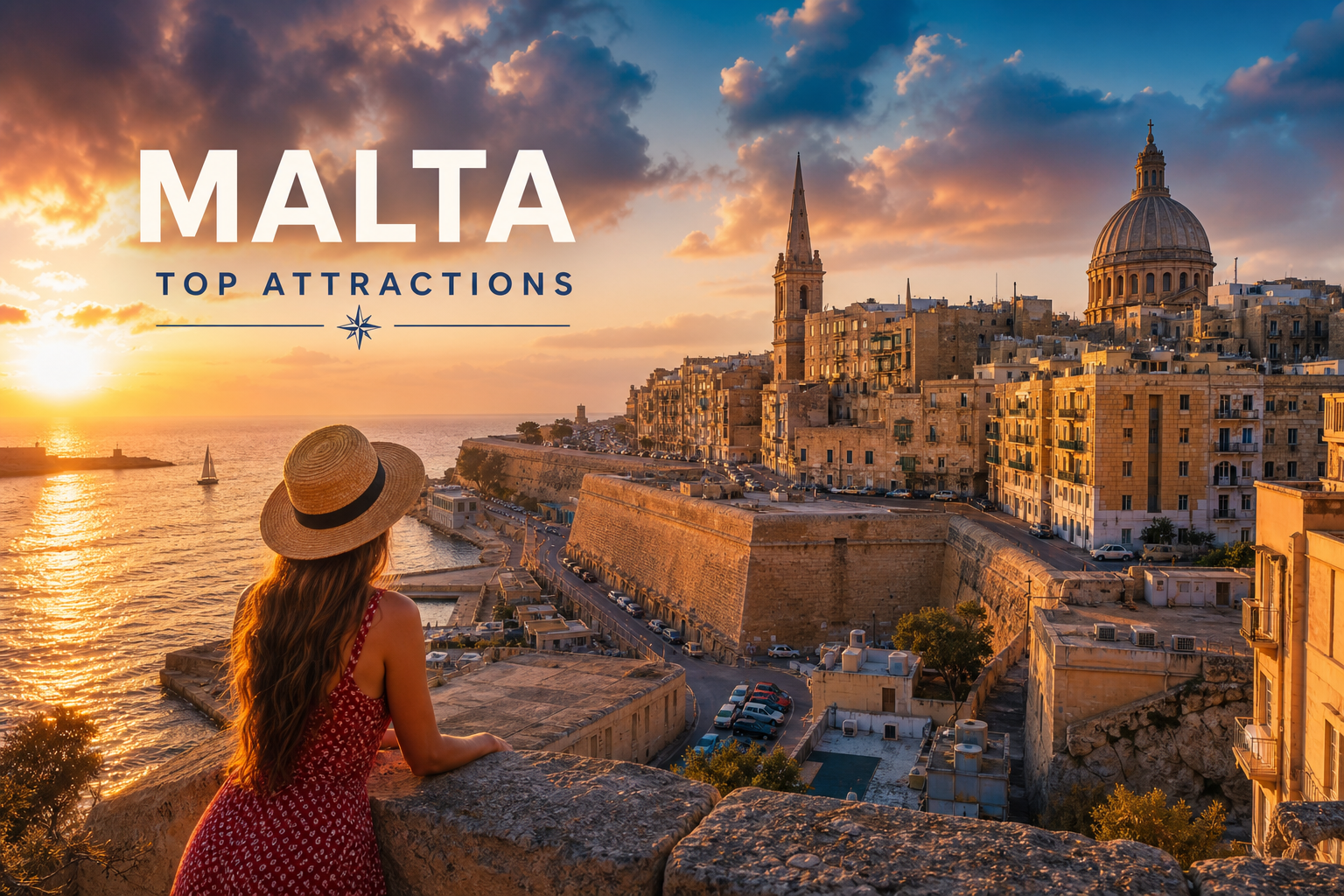
Planning a trip and wondering which sights are actually worth your time? This guide covers the top 10 Malta attractions you can't miss in 2026, ranked by impact, with practical details on tickets, timing, and transport so you can stop planning and start packing. Malta packs prehistoric temples, Baroque cities, turquoise lagoons, medieval fortresses, and highly regarded dive sites into an island smaller than most city suburbs. The archipelago covers around 316 square kilometres in total, making it one of the most densely packed travel destinations in Europe. If you've got three days or fewer, choosing what to skip is genuinely stressful. This guide cuts through that noise.
Every entry below includes a realistic time allocation and at least one tip that the general internet won't tell you. A recommended 1, 3 day itinerary wraps up the guide, built from the same sites, so you leave with a working plan rather than a long list.
Top 10 Malta attractions, at a glance
Before diving in, here's a quick overview of the must-see Malta attractions covered below: Valletta's city-centre trio, Mdina, the Ħaġar Qim and Mnajdra temples, the Blue Lagoon on Comino, the Blue Grotto, Gozo island, St. Peter's Pool, Marsaxlokk fishing village, Upper Barrakka Gardens, and St. John's Co-Cathedral. Together they represent the best things to do in Malta regardless of how long you're staying.
1. Valletta and its unmissable city-centre trio
Valletta belongs first on any Malta sightseeing list, and not just because it's the capital. It's UNESCO-listed, completely walkable, and so dense with history that a single full day (six to eight hours) barely scratches the surface. The three stops below sit within a short walk of each other and together form the strongest single day of sightseeing in the entire country.
Valletta: one of Europe's smallest capitals with the biggest history
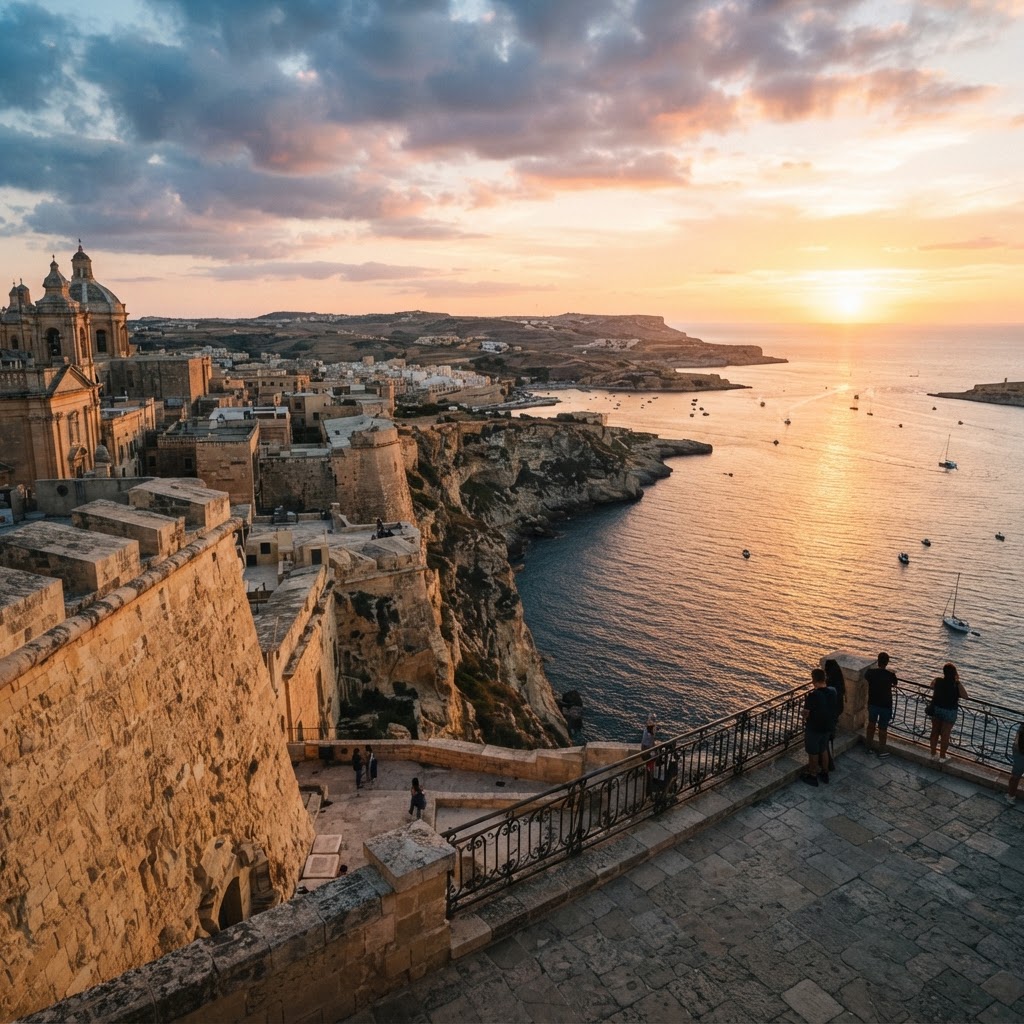
The Knights of St. John built Valletta from scratch after the Great Siege of 1565, and it still looks remarkably like what they intended: a fortified grid of honey-coloured Baroque facades dropping down to a harbour that once decided the fate of Europe. Arrive before 9:30 AM to experience the streets before the tour groups arrive. Entry to the city itself is free, and the walk along the bastions alone is worth the trip.
St. John's Co-Cathedral: the island's greatest art treasure
The exterior of St. John's is deliberately plain, then you step inside, and it's one of the most overwhelming rooms in Europe. Every inch of the floor is a carved marble tombstone, every wall is gilded and painted, and two Caravaggio masterpieces anchor the oratory.
Opening hours are Monday to Saturday, 9:00 AM to 4:45 PM (last entry 4:00 PM), closed Sundays and public holidays. Adults pay €15, seniors and students €12, and children under 12 enter free with an adult. Advance booking is strongly recommended in peak season, when timed entry slots fill up quickly; see the cathedral's official visitor information for the latest hours and ticketing.
Upper Barrakka Gardens: the Grand Harbour view everyone comes for
A short walk from the cathedral, these terraced gardens look straight out over the Grand Harbour toward the Three Cities. A cannon salute fires daily at noon and draws a crowd, check the Valletta tourism site for the current schedule. Entry is free, the views are extraordinary, and golden hour before closing produces some of the best photographs in Malta. Combine all three stops and you have a full day that most visitors rate as the highlight of their entire trip.
2. Malta's ancient walled cities and prehistoric temples
Before the Knights, before the Romans, before any of the Baroque grandeur, Malta had a civilisation building stone structures that predate Stonehenge. This section pairs a perfectly preserved medieval city with temple complexes that belong on any Malta top sights itinerary. They sit in different parts of the island but work well together as a half-day or full-day pairing on day two.
Mdina: the Silent City that earns its nickname
Mdina was Malta's capital before Valletta existed, and it has barely changed since the 16th century. Cobblestone streets, Baroque palaces, and bastions with views over half the island give it an atmosphere that feels more like a film set than a real place, it was a filming location for Game of Thrones, which tells you something. Arrive before 10 AM on a weekday morning and you may have entire streets to yourself. There's no entry fee for the city; individual palaces and museums charge separately. Buses from Valletta take approximately 45, 60 minutes depending on the service, so check current Malta Public Transport timetables before you travel.
Ħaġar Qim and Mnajdra temples: older than the pyramids
These two UNESCO-listed megalithic temples sit on a clifftop overlooking the sea and were built over 5,000 years ago by a civilisation that left almost no other trace. A combined ticket covers both sites; current 2026 Heritage Malta pricing is €10 for adults, €7.50 for seniors and students, and €5.50 for children aged 6, 11. Opening hours run from 9:00 AM to around 4:30, 7:00 PM depending on season, so check Heritage Malta's site for current times before you go. Plan 1.5 to 2 hours and arrive early: the morning light is softer, the crowds are thinner, and the stone structures photograph better before midday haze sets in.
3. Malta's most breathtaking natural wonders by sea
The two sites below are why the Mediterranean postcard version of Malta exists in the first place. Both require boat access, both are genuinely as beautiful as advertised, and both reward visitors who show up early rather than rolling in at noon with the day-trip crowds.
Blue Lagoon on Comino: Malta's most photographed water
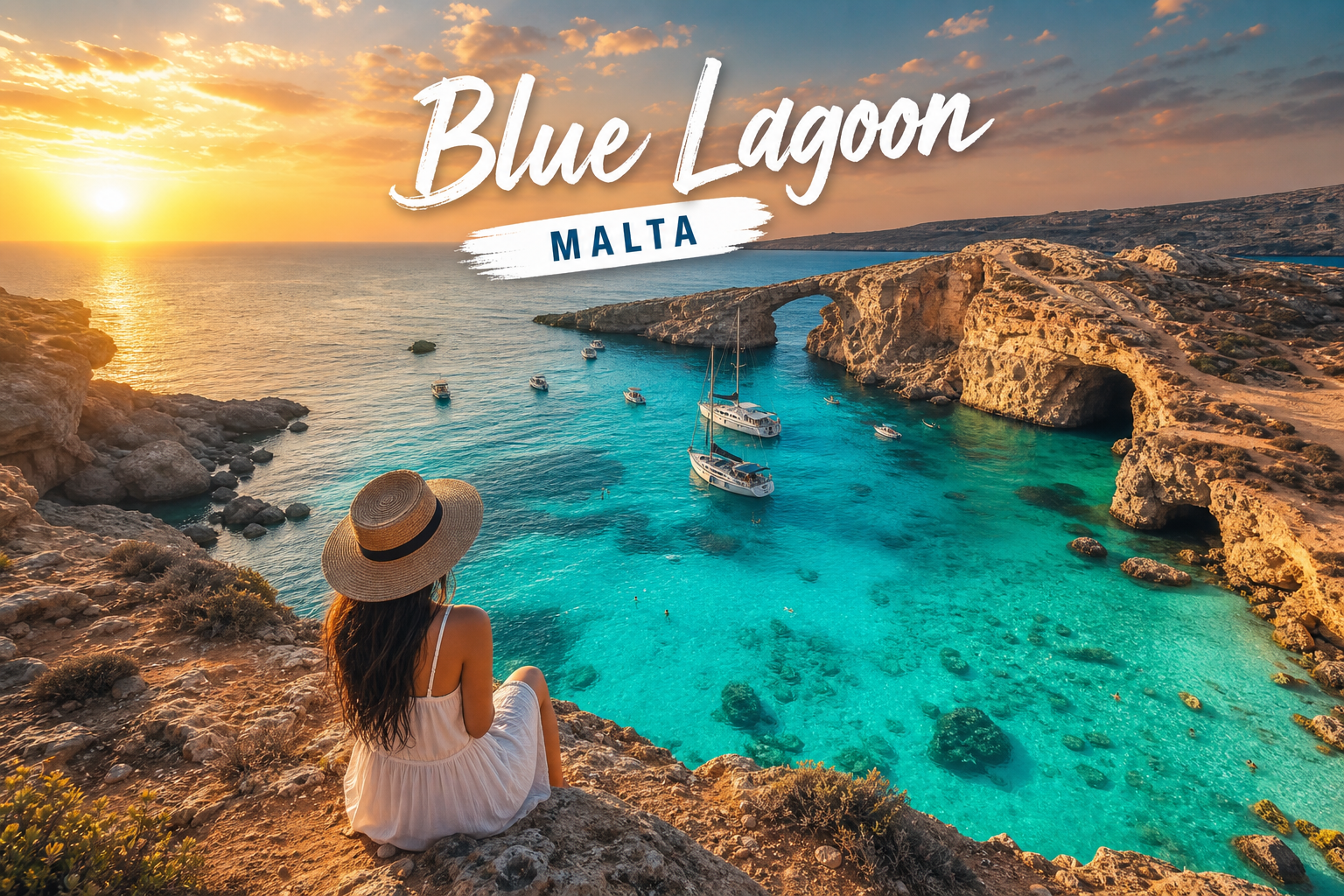
The Blue Lagoon's turquoise colour is real, not a camera trick. Snorkelling here on a calm morning in April or September, when the summer crowds have thinned out, is one of the best experiences in the entire archipelago. To get there from Valletta, take a Gozo Highspeed ferry to Mgarr (45 minutes, from €4.75 one-way), then a short boat hop to Comino. Round-trip costs vary by operator but typically range from around €25, 40 per person, check directly with ferry operators for the most current pricing. Aim to arrive by 8 AM in peak season to secure space before the day boats fill the bay. April, May and September are the sweet spots for calmer water and manageable numbers; for detailed timing advice see this guide on the best times to visit the Blue Lagoon.
Blue Grotto: sea caves with an electric-blue glow
Near the village of Żurrieq on Malta's south coast, a series of limestone sea caves produce an extraordinary underwater light effect when morning sun hits the water at the right angle. Boat tours from Wied iż-Żurrieq harbour run from around 9:00 AM and last 20, 30 minutes. Go early, between 8 AM and 10 AM produces the best cave illumination, while afternoon trips can be spectacular on calm days but may be cancelled if seas are choppy. Fares run approximately €10, 12 for adults; confirm with operators on arrival. Access the harbour by bus (routes 74, 186, or 201), car, or taxi.
4. Island escapes and adventure spots worth the full day
These two attractions represent Malta's quieter, more rugged side. One requires a ferry and a full day; the other is a free swimming spot that most visitors completely miss. Together they justify extending your trip by at least one extra day.
Gozo island: a slower, greener Malta with world-class dive sites
Gozo packs serious sights into a compact island: the UNESCO-listed Ġgantija temples (older than the pyramids, like Ħaġar Qim), the Victoria Citadel with its fortified streets and panoramic views, and the Blue Hole, widely regarded among diving communities as one of Europe's finest shore dives. Gozo Highspeed ferries depart Valletta from 06:45 daily, with up to 15, 16 sailings throughout the day, each taking 45 minutes. Fares start at €4.75 one-way; check current schedules and operators on the Valletta, Gozo ferry pages to plan your departure and return from Valletta to Gozo. Budget a full day on the island and combine with a Comino stop on your return if you depart early. Outside July and August the pace drops noticeably, which is exactly the point.
St. Peter's Pool: Malta's best free swimming spot
On Malta's southeast coast near Marsaxlokk, St. Peter's Pool is a natural rocky inlet with calm, clear water perfect for snorkelling and a 6-metre cliff jump that draws a steady stream of brave visitors every summer. There's no entry fee, no ticket booth, and no crowds outside peak season weekends. Accessible by car or taxi, it pairs naturally with a Marsaxlokk Sunday morning visit since both sit on the same stretch of coastline.
5. A taste of authentic Malta: Marsaxlokk fishing village
Marsaxlokk doesn't make every tourist's list, and that's exactly why it should make yours. It's not a monument or a UNESCO site. It's a working fishing village where traditional luzzu boats line the harbour, painted in bright primary colours, each one bearing the Eye of Osiris on the bow, a tradition that has survived here for centuries. A Sunday morning in Marsaxlokk is one of the most genuinely Maltese experiences available to any visitor.
The Sunday fish market and the luzzu boats
The Sunday market stretches along the waterfront from early morning, selling fresh fish, local produce, and handmade crafts. Arrive by 9 AM before the market winds down and the coach tours arrive. After browsing, settle in at one of the harbour-front restaurants for a long seafood lunch. Top-rated options include Harbour By Johann, Tartarun, and Liska Restaurant, all of which buy directly from the market and serve catch-of-the-day specials. Reservations are strongly advised on Sunday afternoons. For a practical market-focused overview, see this Marsaxlokk fish market guide.
Why this village belongs on your places-to-visit-in-Malta list
Marsaxlokk combines effortlessly with St. Peter's Pool since both sit on Malta's southeast coast, a short drive apart. Start with the Sunday market, swim at St. Peter's Pool after lunch, and you've filled a relaxed half-day that keeps you well clear of the main tourist trail. It's the kind of afternoon that makes Malta feel like a real place rather than a theme park.
6. How to plan your Malta trip using these top sights
Malta is small enough that you can cover a lot of ground in three days, but only if you sequence the sites intelligently and book a handful of things in advance. Here's how the pieces fit together.
A realistic 1, 3 day itinerary for first-time visitors
Whether you have one day or three, these top 10 Malta attractions map onto a logical sequence. The options below are built around the sites above; pick the tier that matches your schedule and you'll leave with the essentials covered:
-
1 day: Full Valletta, St. John's Co-Cathedral, Upper Barrakka Gardens, ramparts walk, and Grand Harbour sunset.
-
2 days: Day one in Valletta as above; day two covering Mdina in the morning and Ħaġar Qim in the early afternoon.
-
3 days: Days one and two as above; day three as a Gozo and Comino day trip, departing Valletta on the 06:45 or 08:45 Gozo Highspeed ferry and including the Blue Lagoon on the return leg.
Three advance bookings matter most: St. John's Co-Cathedral (book online in advance for peak season), the Gozo Highspeed ferry in summer (guaranteed seats fill up fast), and Ħaġar Qim (early arrival rather than booking, but plan for it).
Practical tips to get the most out of each site
Malta's public bus network covers most of the island at a low cost per journey, around €2, €2.50 per trip depending on ticket type; check the Malta Public Transport fare table for current rates. That said, buses run slowly and schedules don't always align with attraction opening times. For the southeast coast (St. Peter's Pool, Marsaxlokk, Blue Grotto) a rental car or a full-day guided tour unlocks real flexibility. The Dingli Cliffs, one of Malta's great sunset viewpoints and worth adding to an extended itinerary, are similarly much easier with a car. This blog covers all of these sites in more detail, including seasonal updates and hidden spots that don't show up on the standard tourist route.
Malta rewards those who plan ahead
The range of what's packed into this archipelago is genuinely unusual. Baroque grandeur in Valletta, medieval silence in Mdina, prehistoric temples at Ħaġar Qim, turquoise water at Comino, world-class diving in Gozo, a Sunday fish market at Marsaxlokk, this is history, nature, adventure, and culture in a place compact enough to cross by car. There is a version of this trip for every kind of traveller.
Use this top 10 Malta attractions list to pre-book the major sites and build the perfect 1, 3 day itinerary. Get into St. John's Co-Cathedral early, board the first Gozo ferry of the day, and reach the Blue Lagoon before the day boats arrive. The island does the rest. Browse the other posts on this blog for deeper dives into individual sites, off-season hidden gems, and seasonal tips that will make your Malta trip genuinely memorable.
Frequently asked questions about Malta attractions
What are the top 10 Malta attractions for first-time visitors?
The essential Malta top sights are: Valletta's historic centre, St. John's Co-Cathedral, Upper Barrakka Gardens, Mdina, Ħaġar Qim and Mnajdra temples, the Blue Lagoon on Comino, the Blue Grotto, Gozo island, St. Peter's Pool, and Marsaxlokk fishing village. Together they cover the best of Malta's history, nature, and culture.
How many days do you need to see the best attractions in Malta?
Three days is the minimum to cover the highlights comfortably. One day gets you through Valletta; a second adds Mdina and the temples; a third opens up Gozo and Comino. Extend to four or five days if you want unhurried time at each site.
What is the best time of year to visit Malta's top sights?
April, May and September, October offer the best combination of warm weather, manageable crowds, and lower prices. July and August are the busiest months, viable but book everything well in advance.
Which Malta attractions require advance booking?
St. John's Co-Cathedral requires advance booking in peak season, as timed entry slots fill quickly. The Gozo Highspeed ferry should be booked online in summer for guaranteed seats. For most other things to do in Malta, early arrival is sufficient.
Is Malta easy to get around without a car?
Valletta and Mdina are easily reached by bus. For the southeast coast, Marsaxlokk, the Blue Grotto, and St. Peter's Pool, a rental car or guided tour makes the day significantly easier. Malta's bus network is affordable but slow, so factor in extra travel time if you're relying on public transport.