Why Visit Malta in 2026: Top Reasons to Go
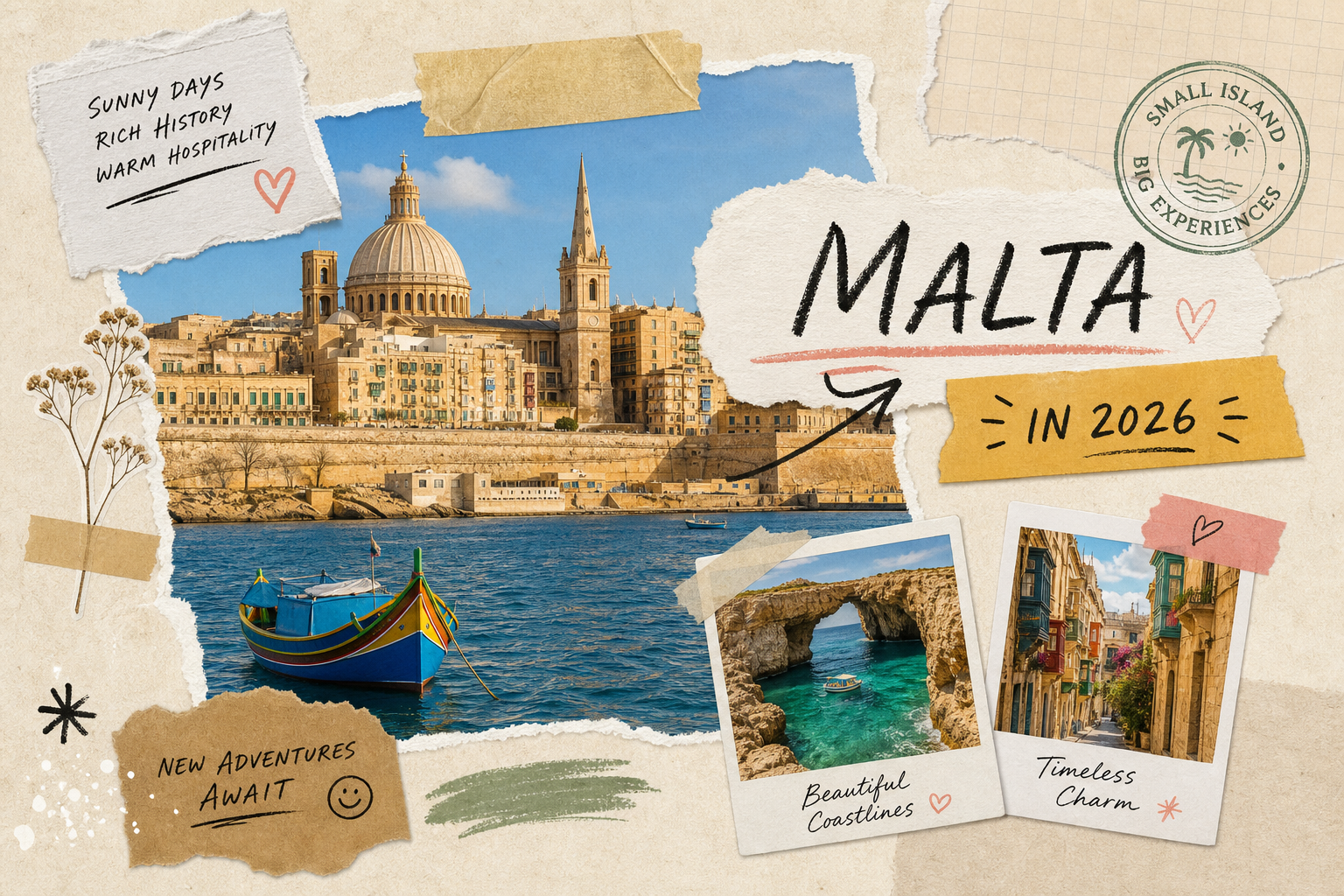
Malta is one of those destinations that keeps surprising people who think they already know what to expect. Deciding to visit Malta in 2026 is a genuinely smart move: the island is compact enough that many drives across the main island take under an hour depending on route and traffic, yet layered enough to fill a full week without a dull afternoon. Entry rules are now settled after the ETIAS and EES rollouts, and many visitors report improved services and a more reliable tourism infrastructure compared with a few years ago. Think of this as a practical Malta travel guide covering four angles that matter most: the history that genuinely stops you mid-step, the sea that defines most people's memories, the outer islands of Gozo and Comino, and the practical planning that makes it all run smoothly, from someone who has been through Malta more times than they can count and wants your trip to be excellent, not just fine.
A history that genuinely stops you in your tracks
Valletta: one of Europe's smallest capitals with an outsized story
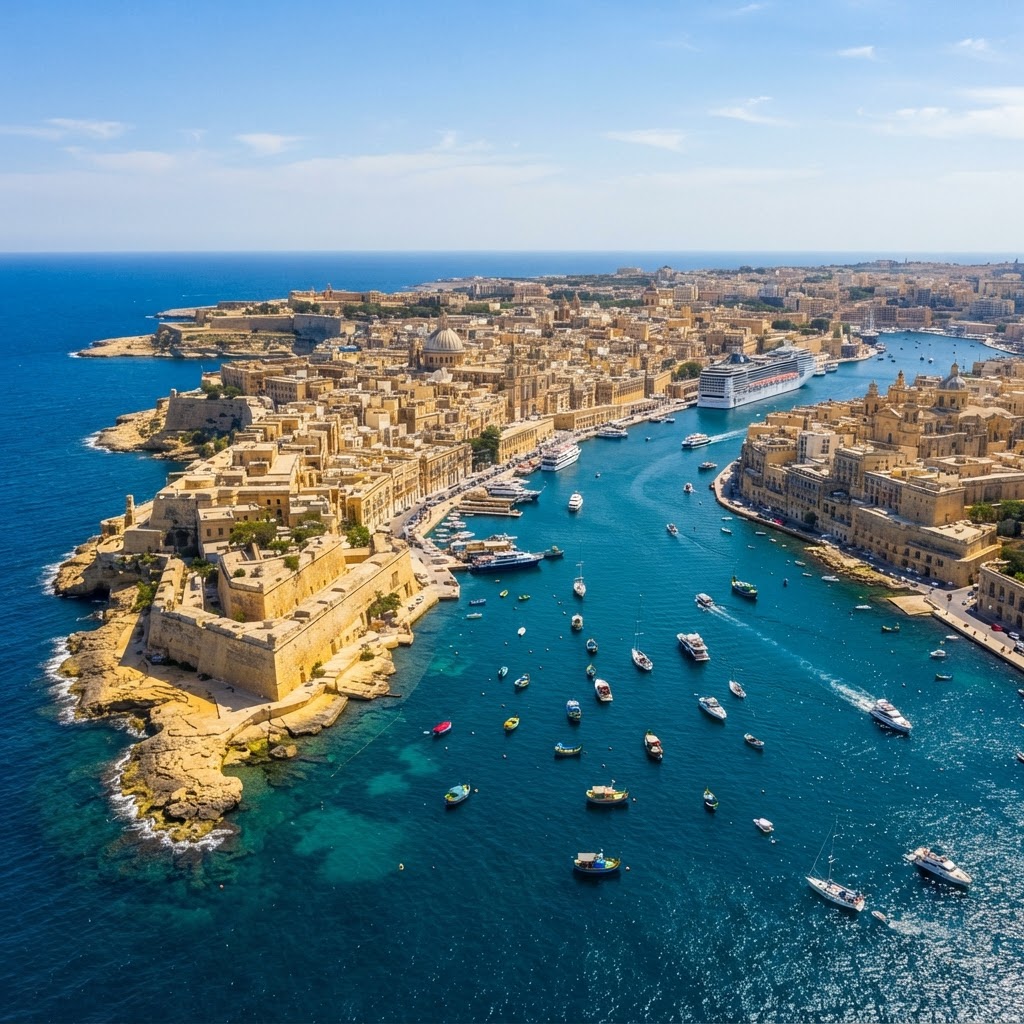
Valletta was built from scratch by the Knights of St. John in the 16th century, and it shows. The streets are narrow, the architecture is a warm honey-colored limestone, and the harbor views from the Upper Barrakka Gardens stop most visitors mid-sentence. Walk through it for two hours, visiting landmarks like St. John's Co-Cathedral and the Grandmaster's Palace, and you cover a full chapter of European history without setting foot in a single museum. Plan for at least half a day, more if you want to explore those two landmarks properly.
Mdina and the silence that surprises you
Mdina earns its nickname, the Silent City, completely. Perched on a hilltop in the center of the island, this medieval walled city has sweeping views toward the coastline and a cathedral worth stepping inside even if you usually skip churches. The narrow streets feel genuinely untouched, which makes timing critical: arrive in the morning before tour groups arrive and the place feels almost private. Mdina pairs well with Valletta on the same day, connected by a straightforward 30-minute bus ride.
Temples older than Stonehenge
Ħaġar Qim on the main island and the Ġgantija Temples on Gozo date back to around 3600 BC, making them two of the oldest freestanding structures in the world. These aren't ruins in the familiar crumbled sense: the scale and precision of the stonework is striking, especially knowing the age. They remain among the most underrated archaeological sites in the Mediterranean, holding UNESCO World Heritage status yet drawing a fraction of the visitors you'd expect. Visiting both across a two-island trip gives you a solid arc of Maltese prehistory. Budget around 90 minutes for Ħaġar Qim and an hour for Ġgantija.
The sea here is the real headline
Blue Lagoon and what makes it worth the hype
The Blue Lagoon on Comino is famous, and the water is genuinely that shade of turquoise. There's no point pretending it isn't crowded in July and August, because it is, but arriving early by boat changes the experience significantly. Snorkeling conditions are excellent, the water is clear to the bottom, and the swimming quality is as good as anywhere in the Mediterranean. The honest advice: go as part of a guided boat tour rather than trying to piece together independent transport, because the logistics of getting there, timing your arrival, and managing equipment are all smoother with an organized excursion.
Sea caves, crystal waters, and the boat trip that ties it together
A well-run sea excursion covers the Blue Lagoon, Crystal Lagoon, and the sea caves in a single day, which is genuinely hard to replicate on your own. The best operators run full-day trips from the northern part of the main island, with snorkeling equipment included and stops timed to avoid the worst of the midday crowds. Booking ahead in summer is essential: spaces on small-group boats fill weeks in advance, and the difference between a small-group trip and a crowded ferry is significant enough to be worth planning around. Private boat charters are another option for groups of six or more and often work out to similar per-person cost with considerably more flexibility.
Why the sea experience defines a Malta holiday
For many visitors, Malta's water features are among the most memorable parts of the trip, often more vivid in retrospect than any single historical site. That's not a criticism of the history, which is exceptional. It's just a reflection of how good the sea genuinely is. Crystal-clear water at that temperature, with caves and lagoons within easy reach, is hard to find outside this corner of the Mediterranean. Build your itinerary around at least one full boat day and the rest of the trip organizes itself around it naturally.
Visit Malta's outer islands: Gozo and Comino deserve more than a single day
Gozo's pace and what slows you down (in the best way)
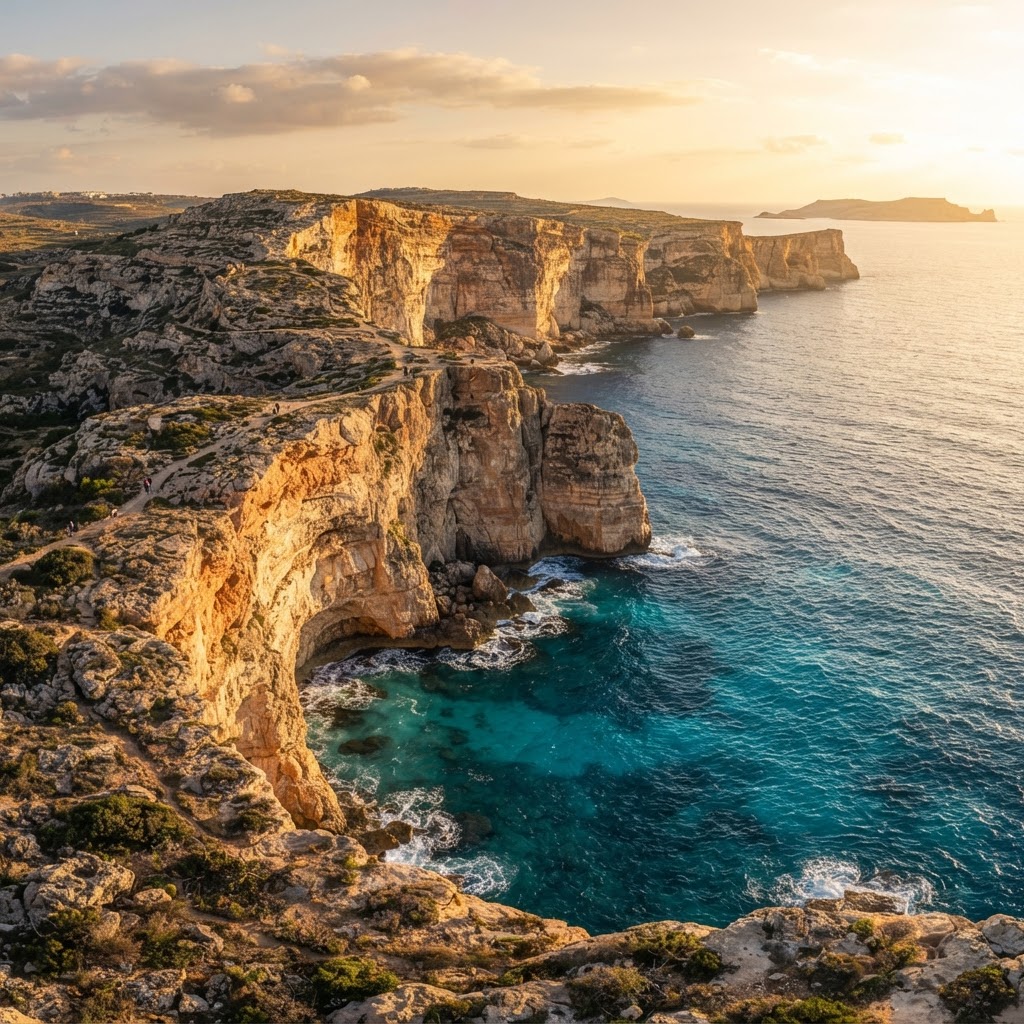
Gozo is quieter, greener, and noticeably slower than the main island. The Inland Sea at Dwejra is one of the most dramatic coastal features in the archipelago. The Xwejni salt pans cut into the rock along the northern coast are ancient and still working, and Ta' Pinu Basilica sits on a hillside with views worth the climb. The ferry from Malta takes 20 to 30 minutes and runs frequently, making a day trip straightforward, though an overnight stay lets you experience the island at a different pace entirely. Think of Gozo as the antidote to Valletta's energy: same island chain, completely different atmosphere.
Comino beyond the Blue Lagoon
Santa Marija Bay on Comino is a quieter alternative to the Blue Lagoon and rewards visitors who stick around after the main swimming stop. The cliff path walks to the sea caves and St. Mary's Tower are short but genuinely scenic, and the complete absence of cars and near-absence of permanent residents makes the island feel remote despite being a 20-minute boat ride from the main island. A boat day trip that combines Comino and Gozo in a single loop is the most practical and rewarding way to see both, and it removes every logistical headache at once.
The best time to visit Malta in 2026
Summer vs. shoulder season: what the numbers say
June through August is hot and dry, with temperatures between 27°C and 31°C and near-zero rainfall, which is ideal for beaches and water sports. July and August are peak season in every sense: more crowds, higher accommodation prices, and more competition for boat tour spaces. May and September through October are the stronger calls for most travelers. Temperatures are still warm (23°C to 28°C), sea temperatures hover around 23°C to 26°C for comfortable swimming, crowds are thinner, and accommodation costs less. If your Malta holiday is built around the sea, May or September is the smarter choice.
What to expect month by month
Spring (April to May) brings mild weather, blooming landscapes, and light crowds, making it excellent for walking, historical sites, and anyone who finds August heat uncomfortable. Summer (June to August) is beach-perfect but demands advance booking for almost everything. Autumn (September to October) is the sweet spot for first-time visitors: still warm enough for swimming, noticeably quieter, and balanced well between beach time and cultural exploration. Winter (November to March) brings some rain and cooler temperatures, winter highs typically range from about 15°C to 20°C, but it works well as a budget city break with significantly cheaper flights and hotels. Align your travel style with the season and Malta returns the favor.
Entry rules and Malta travel advice for 2026
What UK and US travelers need to know about ETIAS and EES
EU passport holders enter Malta with minimal friction through standard Schengen arrangements. UK and US travelers now need ETIAS authorization, which is a straightforward online application linked electronically to your passport; see the Malta ETIAS authorization page for details. The process typically takes a few minutes and no physical document is required at the border. The 90-days-within-180-days rule applies to both nationalities. The new Entry/Exit System (EES) full implementation, fully operational across Schengen borders since April 2026, means non-EU travelers go through biometric registration (fingerprints and a facial scan) on their first entry. Allow extra time at the airport on arrival, particularly in peak summer when queues at entry points are longer than they used to be. Malta is straightforwardly safe for tourists, with no travel warnings from the UK FCDO as of 2026; check the UK FCDO travel advice for Malta for the latest updates.
Budget and getting around
Malta sits in the mid-range bracket by European standards, comfortably more affordable than Italy or France for comparable experiences. Budget travelers can manage on €40 to €95 per day covering a hostel or guesthouse, street food, and bus transport. Mid-range travelers spending €110 to €260 per day get three-star hotels, sit-down meals, and organized tours.
The bus network is cheap and covers most key sites; a single journey costs €3 and weekly passes are available. The ferry to Gozo is inexpensive and runs frequently. Bolt, the ride-hailing app, works reliably across the main island for shorter journeys. From Malta International Airport into Valletta, the Airport Direct bus (TD3) takes 30 to 40 minutes and costs €3, which makes it the obvious choice for most arrivals; for more transport options see Malta Airport to Valletta transport.
How to visit Malta: building your itinerary
The 3-day starter
Three days is enough to hit the core without feeling rushed if you plan it logically. Day 1: Valletta in the morning, then the Three Cities (Birgu, Senglea, Cospicua) by water taxi in the afternoon for a different angle on the harbor. Day 2: an early boat departure to the Blue Lagoon and Comino, returning by mid-afternoon, then Mdina for the golden-hour light on the walls. Day 3: a full Gozo day trip by ferry, covering Dwejra, the salt pans, and Ġgantija Temples. This works well as a standalone break or as a pre- or post-extension to another European destination.
The 5 and 7-day full experience
With five days, add southern Malta on day four: Marsaxlokk fishing village is worth an hour of your morning, and the Blue Grotto sea caves are a short hop from there. Day five works well as a beach day at Golden Bay, one of the best sandy beaches on the main island. For seven days, the upgrade worth making is an overnight stay on Gozo. Sleeping on the island gives you the quieter evenings and early mornings that day-trippers never see, and it turns Gozo from a tick on a list into a place you actually experience. Across all three itinerary lengths, booking sea excursions early, especially in summer, is strongly recommended, and small-group boat tours deliver a noticeably better experience than the large crowded ferries.
Start planning now
Visiting Malta in 2026 hits a rare combination: world-class history, genuinely excellent sea, straightforward entry logistics, and a scale that makes it manageable without feeling thin on content. Whether you have three days or a full week, the island rewards you in proportion to how much you lean into it. The practical steps are clear: sort your ETIAS if you're a UK or US traveler, book your boat excursions early, and decide whether you're optimizing for sea or history, most people end up doing both. There are plenty of things to do in Malta across every budget and travel style, and the island rarely disappoints anyone who gives it proper time.
If you've been putting off the decision, now is the time to visit Malta. 2026 is as good a year as any to stop waiting.