Valletta, Malta: Complete Guide to Sights, Food and Where to Stay
Valletta, Malta: Complete Guide to Sights, Food and Where to Stay
Valletta is one of the smallest capital cities in the European Union — you can walk from one end to the other in about 20 minutes. What it lacks in size it makes up for in density: almost every street has something worth stopping for, whether that's a Baroque church, a sea view, a hidden courtyard, or a café that's been run by the same family for decades.
It's a UNESCO World Heritage Site, it was European Capital of Culture in 2018, and it still manages to feel like a place where people actually live rather than a preserved-for-tourists exhibit. This guide covers what to see, where to eat and drink, where to stay, and the practical things that make the difference between a rushed visit and a genuinely good one.
Why Valletta Is Worth Your Time
The honest answer is that Valletta tends to exceed expectations. First-time visitors sometimes arrive with vague curiosity and leave planning a return trip.
It's compact and genuinely walkable. The entire city sits on a peninsula, and the main grid of streets is easy to navigate. You won't need a taxi or bus to get between sights — everything is on foot.
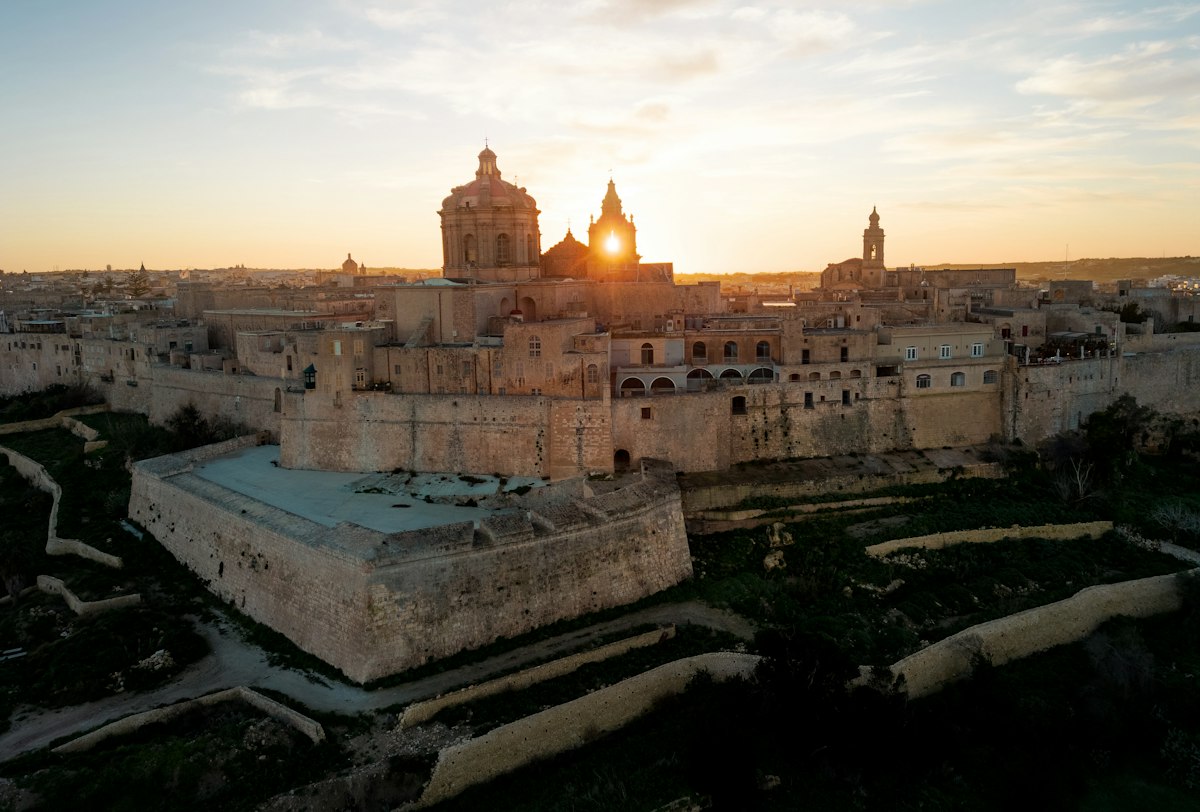
The history is extraordinary and layered. Valletta was built by the Knights of St John in the 16th century, heavily fortified against Ottoman attack, and has barely changed in its fundamental layout since. Walking the streets feels different from most European cities precisely because the urban fabric is so intact.
The views are among the best in the Mediterranean. The Grand Harbour — one of the finest natural harbours in the world — surrounds Valletta on two sides. The vantage points are genuinely spectacular, and they're free.
Transport connections are excellent. All of Malta's bus routes converge on Valletta's City Gate terminal, making it easy to reach anywhere on the main island. The passenger ferry to Sliema runs throughout the day and takes 10 minutes. This makes Valletta one of the best bases on the island for visitors without a car.
Top Things to See and Do in Valletta
Historic & Cultural
St John's Co-Cathedral is the single most impressive interior on the island — possibly in the region. The exterior is plain limestone; the interior is an overwhelming explosion of gilded Baroque decoration, with a floor made entirely of marble tombstones of Knights. Caravaggio's The Beheading of Saint John the Baptist — his largest work and the only painting he signed — hangs in the oratory. Book tickets in advance; it fills up and sells out in peak season.
The National Museum of Archaeology houses Malta's most important prehistoric artefacts, including the famous 'Sleeping Lady' figurine from the Ħal Saflieni Hypogeum. If you have any interest in the island's ancient history, this is where to start.
Teatru Manoel is one of Europe's oldest working theatres, dating to 1731. Even if you're not seeing a performance, it's worth knowing about — check the programme if you're in Valletta for more than a day.
Fort St Elmo and the National War Museum sit at the tip of the peninsula. The fort played a central role in the Great Siege of 1565 and later in World War II. The war museum within it is well-curated and tells a story most visitors know little about.
Views & Gardens
The Upper Barrakka Gardens offer the most photographed view in Malta: the Grand Harbour stretching out below, with the Three Cities across the water and the fortifications of Senglea in the foreground. It's beautiful at any time of day but genuinely magical in the late afternoon and evening light. The Saluting Battery below fires a cannon at noon and 4pm daily.
The Lower Barrakka Gardens are quieter, smaller, and positioned lower on the seawall. The view here looks towards Fort Ricasoli and the open sea — less dramatic than the Upper Barrakka, but more peaceful. A good spot to sit for a while.
The city walls themselves are worth walking. The bastions along the seaward side offer viewpoints in both directions, and the walk along the top gives you a sense of the scale of Valletta's defences.
Harbour Experiences
The Sliema–Valletta ferry is one of the best-value experiences on the island. The 10-minute crossing gives you a completely different perspective on Valletta — from the water, the fortifications are even more imposing. If you're based in Sliema, this is the most pleasant way to arrive in Valletta.
The Three Cities ferry departs from the waterfront below the Lower Barrakka Gardens and crosses the Grand Harbour to Birgu (Vittoriosa) in about five minutes. It connects two of the most historically significant places in Malta with a crossing that's both practical and scenic.
Harbour cruises operate from the Valletta waterfront and typically take in both the Grand Harbour and Marsamxett Harbour (the other side of the Valletta peninsula). Good for understanding the geography and scale of the area.
Suggested One-Day Walk in Valletta
This outline works for most of the year. In July and August, shift everything earlier and plan a longer mid-day break.
Morning (9am–12pm): Start at City Gate and walk directly to St John's Co-Cathedral — arrive early to avoid the main tour group rush. Allow 60–90 minutes. Walk along Republic Street, stopping at the National Museum of Archaeology if history interests you. Make your way to the Upper Barrakka Gardens for the 11am or noon cannon firing, and spend time at the viewpoint.
Mid-day (12–2pm): Find lunch near the Upper Barrakka area or along Merchants Street. In summer, use this time to sit somewhere shaded or air-conditioned rather than walking in peak heat. This is not wasted time — it's how locals manage the summer.
Afternoon (2–5pm): Walk down to the Lower Barrakka Gardens, then continue to the tip of the peninsula and Fort St Elmo. Explore the quieter streets away from Republic Street — Old Theatre Street, St Paul's Street, and the side streets leading to the seawall. In summer, head to the waterfront; it catches the afternoon breeze.
Evening (6pm onwards): Valletta comes alive in the early evening. The tourist rush has thinned, the light is golden, and the restaurants are opening. Take the ferry to Sliema and back for the harbour view at dusk, or find a rooftop or elevated terrace for drinks as the sun goes down. The city is beautifully lit at night.
Where to Stay in or Near Valletta
Inside the Walls
Staying within Valletta itself means waking up in a UNESCO World Heritage city, with the major sights on your doorstep and the morning streets — before the day visitors arrive — almost to yourself. Accommodation inside the walls ranges from characterful boutique hotels in converted Baroque townhouses to smaller guesthouses and apartments.
Pros: Unbeatable location, easy access to sights and ferries, atmospheric evenings, no transport needed for most of what you'll do.
Cons: Streets can echo at night (though Valletta is not a nightlife destination like St Julian's). The walking is hilly and the streets are cobbled — not ideal for everyone. Parking is essentially irrelevant since driving in Valletta is impractical anyway. Accommodation is often pricier per square metre than equivalent quality elsewhere.
Best for: Couples, solo travellers, culture-focused visitors, anyone who wants to be in the city rather than near it.
Staying Just Outside — Sliema and Gżira
Sliema, across the water from Valletta, is the other obvious base. The ferry takes 10 minutes and runs throughout the day, so Valletta is genuinely accessible. Sliema has more accommodation variety, more restaurants and cafés, a seaside promenade, and a more social atmosphere.
Pros: More options and often better value per room. Seafront walks. Easier bus connections to different parts of the island. Less steep and cobbled than Valletta itself.
Cons: Not inside the walls — you'll always be arriving in Valletta rather than already there. The area is busier and more commercial.
Best for: Families, those who want a mix of Valletta and beach/seafront, visitors planning to explore the whole island.
Eating and Drinking in Valletta
Casual Cafés and Bakeries
Valletta has a strong café culture. The places worth finding are the small, unbranded pastry shops and bakeries where locals actually eat — serving pastizzi (flaky pastry filled with ricotta or mushy peas), qassatat, and strong Maltese coffee. These are not tourist operations; they're just where people go. Republic Street and the streets around it have several, and they're easy to spot by the presence of Maltese people rather than exclusively tourists.
Traditional Maltese Food
Traditional Maltese cuisine centres on rabbit (fenek), fresh fish, broad beans, bigilla (a spiced bean dip), Maltese bread, and seasonal vegetables. Restaurants that lean into the local tradition rather than chasing a generic Mediterranean menu are worth seeking out. Look for places with handwritten menus and shorter choices — it's often a sign of fresh, market-driven cooking rather than food from a supplier catalogue.
For a longer meal, the area around the waterfront and the streets leading down to it tends to have restaurants with more interesting views and a bit more breathing room than the main tourist corridor on Republic Street.
Wine Bars and Rooftop Drinks
Valletta's elevated position and Baroque architecture make it an excellent city for a drink with a view. A number of rooftop bars and elevated terraces have opened in recent years. They're busiest on weekend evenings and in summer, so arrive early if you want a table.
Local Maltese wine has improved significantly and is worth trying — the Għargħur, Marsaxlokk and Gozo appellations produce wines that hold their own. Asking specifically for Maltese wine rather than defaulting to Italian imports is both a good experience and good for local producers.
Practical Tips for Visiting Valletta
Wear the right footwear. Valletta is built on a hill, and the streets are cobbled limestone. In summer the cobbles get hot. Comfortable walking shoes or sandals with good grip are essential — heels are a genuine hazard, and thin-soled shoes become uncomfortable quickly.
Manage the heat in summer. If you're visiting in July or August, take the mid-day heat seriously. Plan major sightseeing for before 11am and after 4pm. Use the middle hours for lunch, a museum with air conditioning, or simply sitting somewhere shaded. This is not laziness — it's how you avoid exhaustion and sunburn.
Use the ferry where possible. The Sliema–Valletta ferry is cheaper, faster, and more enjoyable than the bus for that crossing. The Three Cities ferry is similarly the best way to visit Birgu. Both operate throughout the day at frequent intervals.
Buses into and out of Valletta are plentiful — the City Gate terminal at the entrance to the city serves all major routes on the island. But the bus station area can be congested and confusing on busy days. Allow time.
Entry to many sights is ticketed and advance booking matters for the most popular ones (St John's Co-Cathedral in particular). Check availability and book before you arrive rather than assuming you can walk in.
The city is small but not flat. Walking from City Gate to the tip of the peninsula is mostly downhill going east, which means it's uphill coming back. Factor this into your energy levels, especially in heat.
Final Thoughts – How Much Time to Spend in Valletta
Half a day is enough to walk the main street, see the Upper Barrakka Gardens, and get a feel for the place. You won't do it justice, but you'll understand why people come back.
A full day allows you to see St John's Co-Cathedral properly, visit a museum, explore the quieter streets, take a ferry across the harbour, and have a proper meal. This is the minimum for a meaningful visit.
Staying overnight — even one night inside the walls — transforms the experience. The city in the evening, after the day-trippers have left, is calmer, more atmospheric, and more genuinely itself. Seeing it lit up at night and waking up there in the morning adds something that a day visit simply can't replicate.
If you're using Valletta as a base for your whole trip, you'll be well-positioned for transport and sightseeing across the island. Our getting around Malta guide covers onward transport options in detail, and the 3–7 day Malta itinerary builds Valletta into a full first-trip plan.