Winter in Malta 2026: Weather, Travel Tips & Best Things to
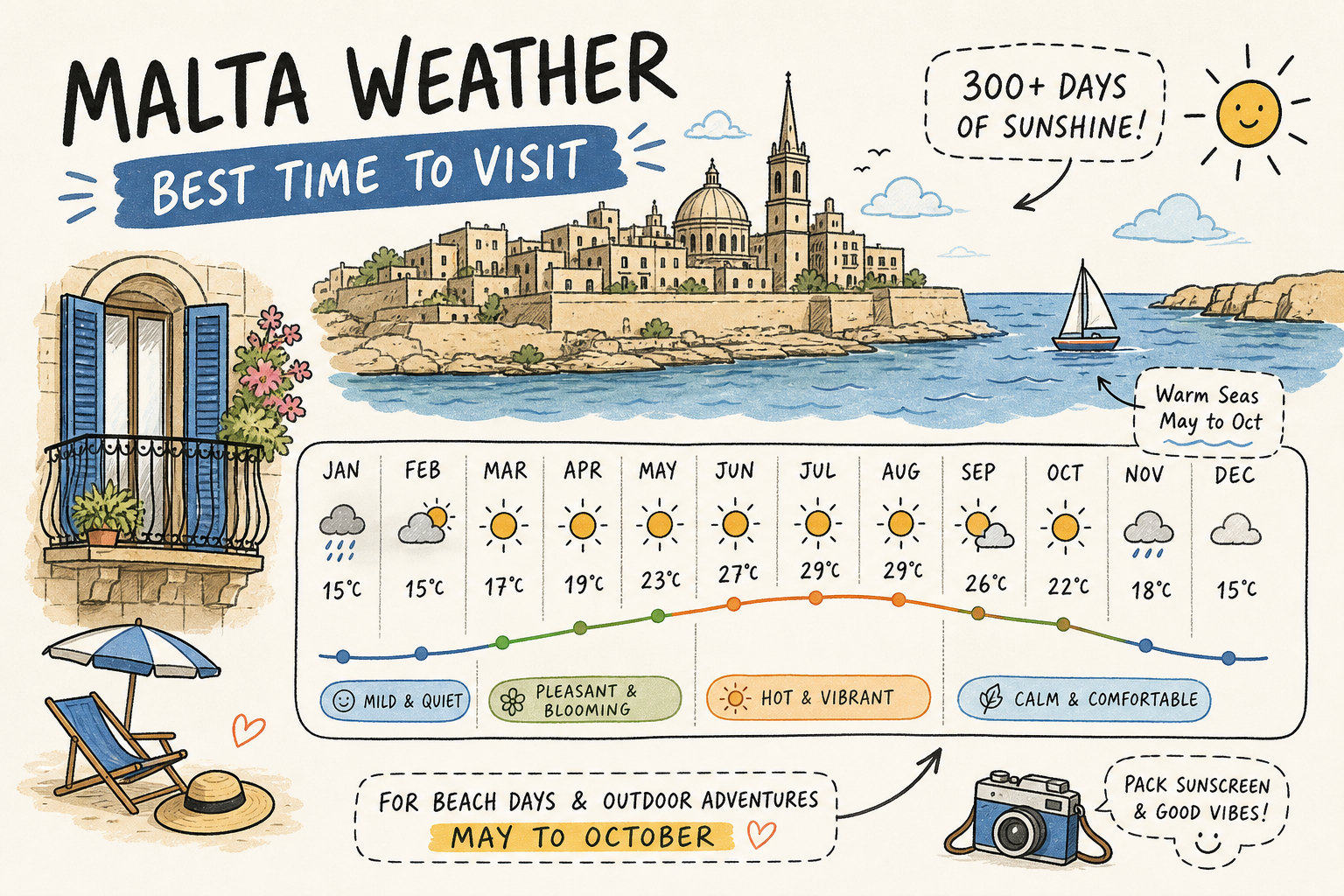
When the summer crowds go home, Malta slows down and reveals its real character. With winter temperatures usually hovering between 12–18°C and plenty of sunshine, it's one of Europe's best-kept off-season escapes for culture, walking, and local life.
Why Winter Is Malta's Secret Season
Mild, Walkable Weather
Winters in Malta are far milder than most of Europe, with average daytime highs around 15–18°C and nights generally staying above 10–12°C. You'll still get a mix of sun, cloud, and occasional showers, but long, bitterly cold days simply don't exist here.
This makes winter ideal for:
- Long walks through Valletta, Mdina, and the Three Cities without overheating
- Exploring coastal paths and countryside trails in cool, fresh air
- Photographing landmarks in softer "golden hour" light, without harsh summer glare
Do expect some windy days and short bursts of rain—showers often pass in a few hours rather than ruining a full day.
Fewer Tourists, More Space
One of the biggest winter perks is how calm Malta feels compared to July and August. Major attractions like Mdina, Ħaġar Qim, and St. John's Co‑Cathedral go from crowded to comfortably quiet.
In winter you get:
- Shorter or no queues at museums and historic sites
- Easier last‑minute restaurant bookings, even at popular Valletta and Sliema spots
- More meaningful interaction with locals in cafés, wine bars, and village squares
Accommodation prices also tend to drop in the off-season, with better deals on hotels and holiday lets compared to peak summer.
More Authentic, Local Culture
Winter is when Malta feels less like a resort and more like a lived‑in Mediterranean country. Locals reclaim the streets, churches, and theatres, and the cultural calendar stays surprisingly full.
Highlights include:
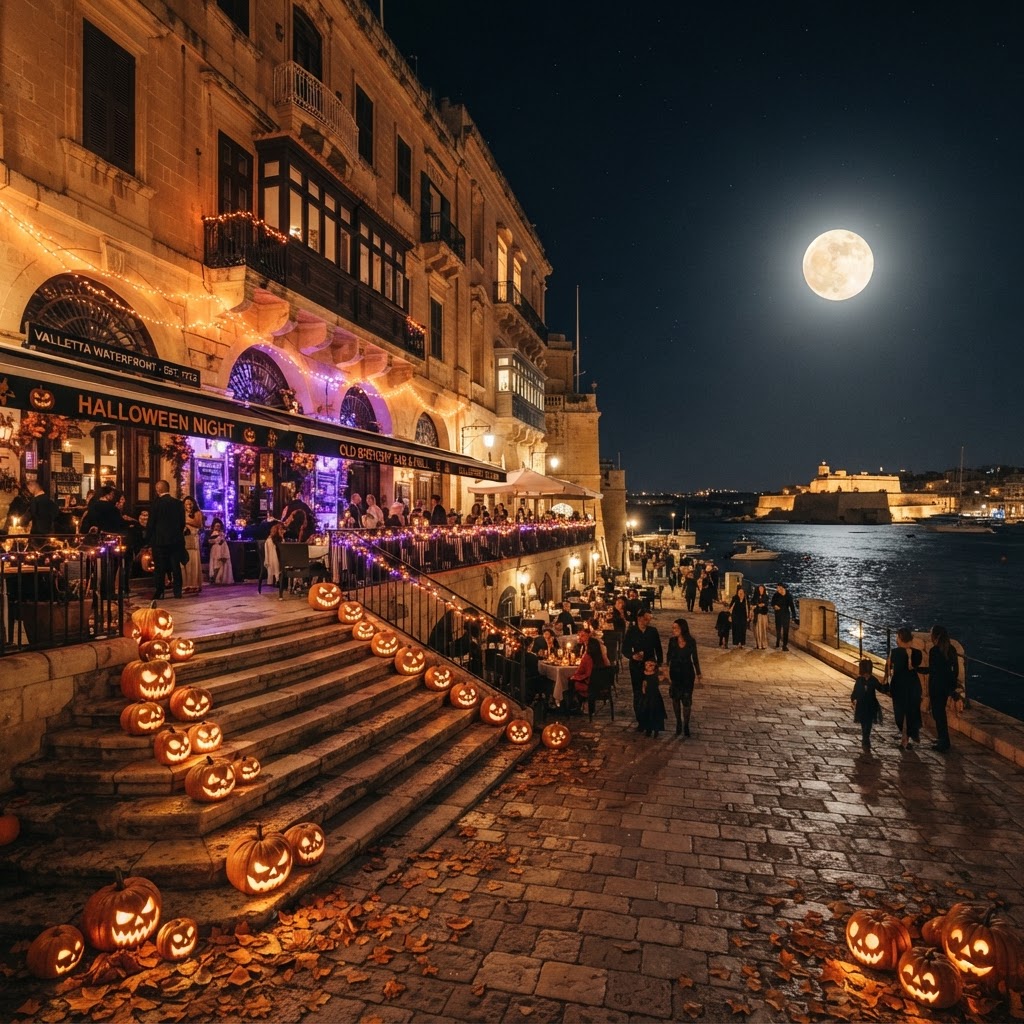
- Christmas in Malta – Valletta and village cores light up with nativity scenes, markets, and festive street decorations.
- Valletta Baroque Festival (January) – Classical concerts in historic venues like St. John's Co‑Cathedral and Manoel Theatre.
- Carnival (February) – A riot of costumes, floats, and late‑night parties, especially in Valletta and Nadur (Gozo).
Alongside the big events, smaller parish feasts, concerts, and exhibitions continue throughout winter, giving a real window into everyday Maltese life.
What to Do in Malta in Winter
Indoor Treasures: Culture Without the Crowds
Winter is the perfect excuse to go deep on Malta's 7,000 years of history.
National Museum of Archaeology (Valletta) Discover Neolithic statues, temple artifacts, and the famous "Sleeping Lady", with far fewer people than in peak season.
MUŻA – The National Community Art Museum A mix of classic and contemporary works in a restored Valletta auberge, ideal for a slow afternoon.
St. John's Co‑Cathedral Caravaggio's "The Beheading of Saint John the Baptist" is a must‑see, and winter makes it easier to appreciate the details without tour groups blocking your view.
The Hypogeum & Wartime Shelters The Ħal Saflieni Hypogeum, a unique underground temple and burial site, is strictly ticketed—book ahead year‑round. Wartime shelters in towns like Birgu and Rabat also offer fascinating glimpses into Malta's WWII history.
Outdoor Adventures in Cooler Air
With no scorching sun and greener countryside, winter is arguably the best season for getting outside.
Coastal and Country Walks Trails around Dingli Cliffs, Għar Lapsi, Fomm ir‑Riħ, and Marfa Ridge are at their best in the cooler months, with clearer views and fresher air.
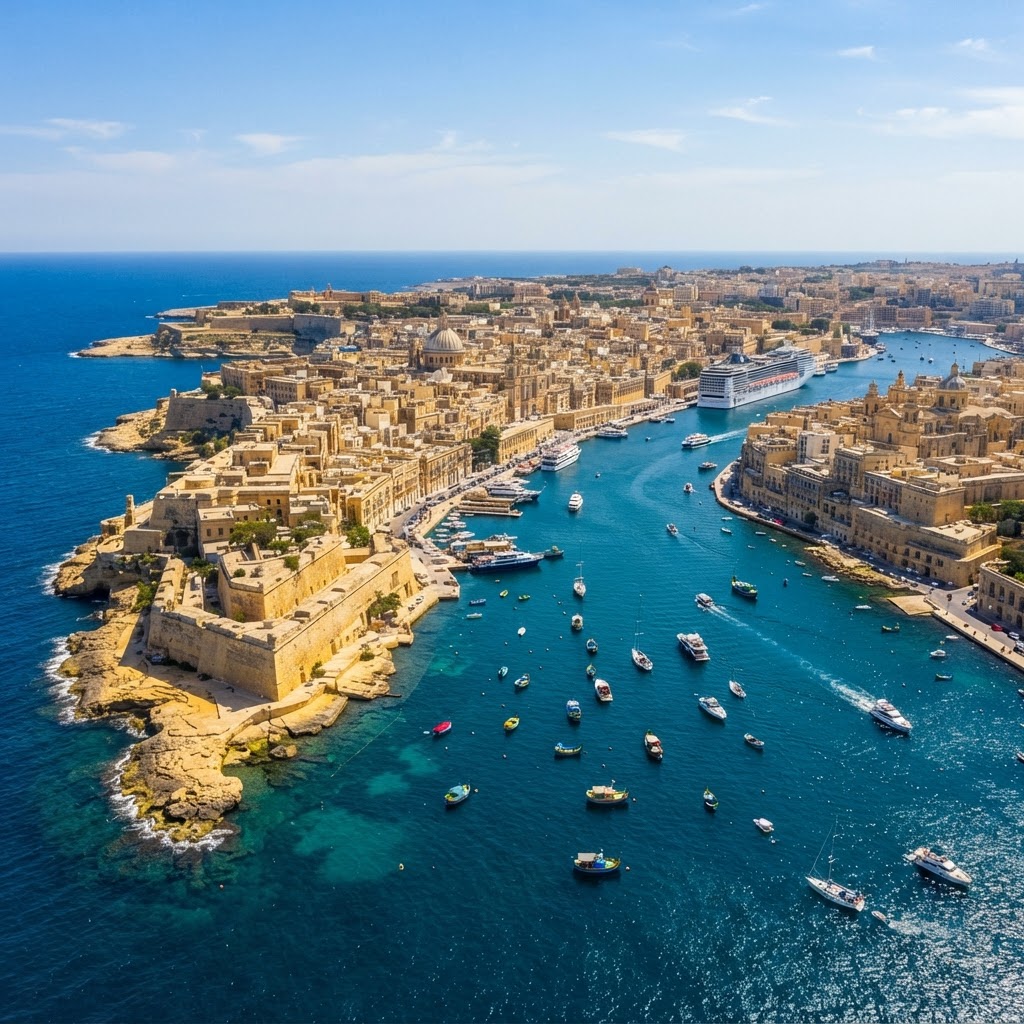
Historic Cities on Foot Wander Mdina and Rabat, Valletta and the Three Cities, or quiet village streets without tour buses clogging the roads.
Photography Shorter days mean longer periods of soft light; winter skies over harbours and cliffs make for dramatic images.
Gozo in Peace The sister island is quieter too—perfect for exploring Victoria Citadel, coastal walks at Xlendi and Dwejma, and cosy Gozitan restaurants.
Key Winter Events and Festivals
Malta's "secret season" has its own headline events to plan around.
Notte Bianca (Early October) Valletta turns into an open‑air cultural festival for one night: museums stay open late, palaces host performances, and streets fill with music and art.
Christmas in Malta (December) Expect nativity villages, festive markets, choir performances, and special events across Valletta, Floriana, and many towns.
Carnival (February) One of Malta's biggest annual celebrations, with parades, masks, floats, and street parties before Lent, especially in Valletta and Nadur.
Between these, smaller parish feasts, concerts, and exhibitions fill the calendar—ideal if you like stumbling across local events rather than big tourist shows.
What to Pack for a Winter Trip to Malta
Because winter weather is mild but changeable, smart packing makes a big difference.
- Layers – T‑shirts or light tops plus a jumper or fleece for cooler evenings and windy days.
- Light jacket – A thin waterproof or windproof jacket is usually enough; heavy coats are rarely needed.
- Comfortable walking shoes – For cobbled streets and coastal paths that may be damp after rain.
- Umbrella or compact raincoat – Showers can appear suddenly but usually clear quickly.
Indoor spaces can feel cooler than you expect because many Maltese homes and smaller guesthouses lack strong heating, so a warm layer for evenings is useful.
Why You Should Consider Malta's Secret Season
Winter in Malta gives you mild weather, open museums, and working cities instead of crowded resort towns. You swap packed beaches and 35°C heat for quiet streets, cultural festivals, long lunches, and conversations with locals.
For travellers who care more about culture, walks, food, and real life than pool parties, Malta's secret season might be the best time of year to visit.