Malta Travel Tips 2026: What Every Visitor Should Know
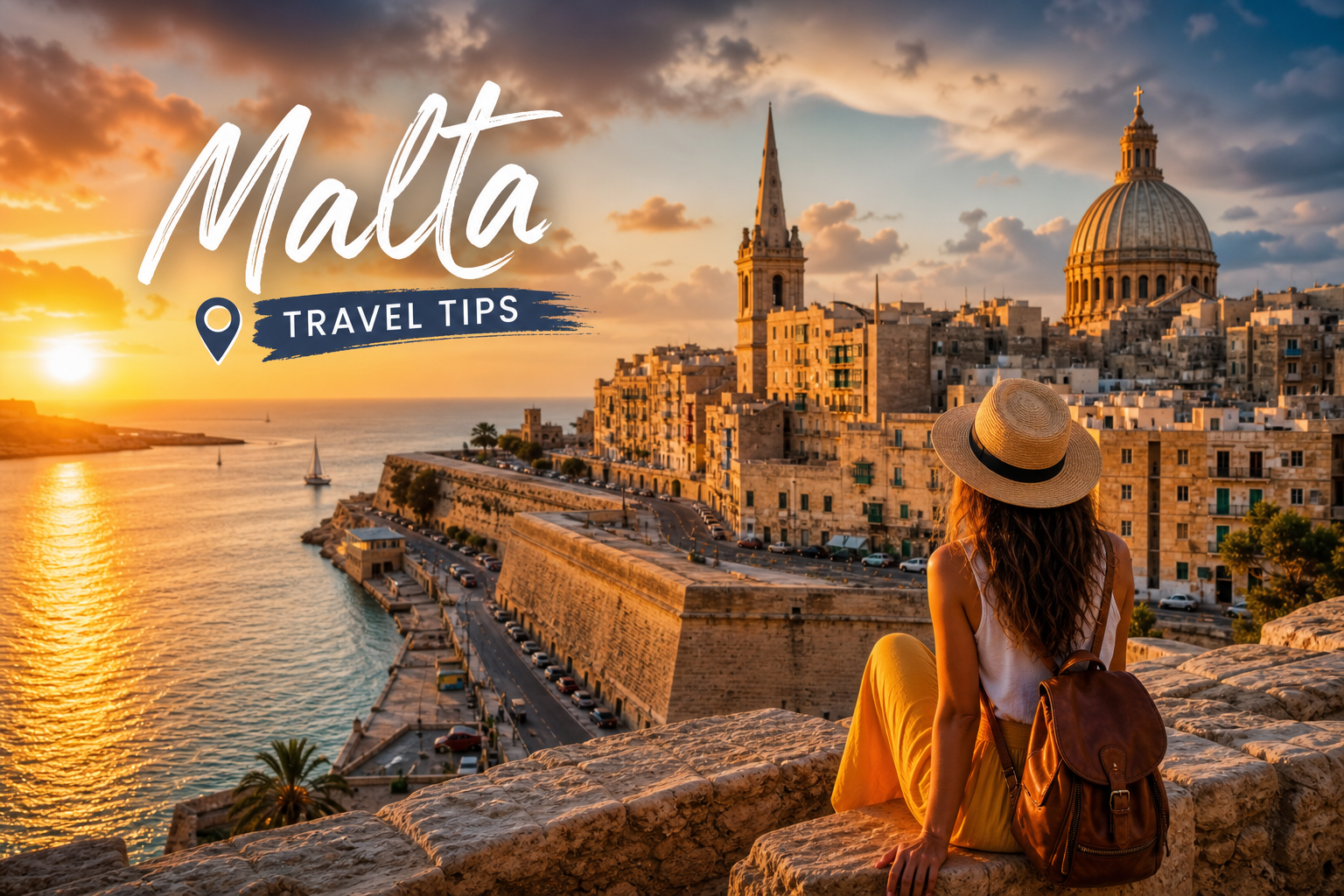
Malta travel tips for 2026 start here: Malta is one of Europe's most underrated destinations, and most visitors arrive underprepared for it. Not dangerously so, but in the way that leads to missed boat tours, wrong-season flights, and standing at a dock in July wondering why everything sold out weeks ago. This article skips the glossy overview and gets straight to what you actually need to know before landing.
One thing 2026 changes specifically: ETIAS. If you're a visa-exempt non-EU national, there's a new digital travel authorization you need before you fly. Most people haven't heard of it yet. We'll cover it first. Then we'll get into timing, transport, money, etiquette, and the experiences worth locking in before you leave home. The best parts of Malta happen on the water, and the visitors who remember their trip fondly are almost always the ones who sorted their boat tour before they arrived.
Malta travel tips, entry rules for 2026: what changed and what to sort before you fly
ETIAS is the one genuinely new requirement for 2026, and it catches people off guard because it looks like a visa but isn't. It's a digital travel authorization, mandatory for visa-exempt non-EU nationals (including U.S., UK, Canadian, and Australian passport holders) entering any Schengen country, Malta included. The cost is €7, it's valid for three years, takes minutes to apply for online, and links digitally to your passport. No paper printout needed at the border; it's scanned automatically. Apply through the official EU ETIAS website and do it before you book anything else.
Beyond ETIAS, the document checklist is straightforward. Your passport must be valid for at least three months beyond your planned Schengen departure, issued within the last ten years, and have at least one blank page. Border officials enforce the proof of onward travel requirement, so carry a return or connecting flight confirmation. Malta follows the standard 90-day Schengen rule: more than that within any 180-day period, and you're looking at a three-year ban from the entire zone. No vaccines, COVID-19 documentation, or health testing are required, that requirement was dropped in 2022 and hasn't returned.
When to actually go: the honest breakdown by season
May and October are the right answers for most travelers, and most guides bury this under hedging language about personal preference. The case is direct: temperatures sit between 20 and 25°C, the sea in October reaches around 24°C, crowds at the Blue Lagoon and Valletta are a fraction of summer levels, and flights and hotels cost noticeably less. If your calendar has any flexibility, shoulder season is the obvious choice. For more detail on timing and weather trends, see the best time to visit Malta guides.
Summer, June through August, delivers the best beach weather and longest days, but the tradeoffs are real. Temperatures hit 31°C. Every boat tour to Comino sells out weeks in advance. Prices across flights, accommodation, and activities are at their peak. If summer is the only window that works, the fix is simple: book everything before you land. Arriving in July and hoping to find a Comino slot at the dock is a reliable way to waste a day.
November through March is a solid option if your trip is primarily cultural. Prices drop significantly, crowds disappear, and Valletta is at its most atmospheric. The honest caveat: you won't be swimming, days are shorter, and some smaller operators run reduced schedules. For budget travelers focused on history and architecture rather than beaches, winter Malta is underrated.
Getting around Malta: practical tips for visitors
The Tallinja bus network covers almost everywhere you'd want to go. For tourists, a standard 2-hour ticket costs €2, airport direct routes cost €3, and a 7-day unlimited pass runs €25. Download the Tallinja app rather than relying on Google Maps for accurate timetables; the two frequently disagree. For a broader overview of public transport options and infrastructure, see Transport in Malta. The Valletta to St. Julian's routes get crowded, but for daytime sightseeing across the island, buses are the default practical choice.
Ferries to Gozo and Comino
Getting to Gozo means the Ċirkewwa to Mġarr ferry crossing: roughly €4.65 one-way on foot, €9.30 return, with multiple sailings daily. You can reach Ċirkewwa on the X1 bus from Valletta. Seasonal ferries to Comino run from Marfa and Hondoq; check publictransport.com.mt for live timetables since new night routes were added in 2026. If your trip falls near the start or end of the operating season, confirm Comino service schedules before you commit to a date.
Taxis and car hire
Taxis via Bolt and eCabs run around €25 to €30 from the airport and approximately €2 per kilometer after that. Car hire starts at €25 to €50 a day for a small car and makes genuine sense if you're spending time on Gozo or trying to cover multiple sites in one day without working around bus schedules. Two things to know before you rent: Malta drives on the left, and parking in Valletta is limited. Neither is a serious obstacle, but both are worth knowing before you're behind the wheel.
Money, safety, and what locals quietly notice
Budget travelers relying on buses, local restaurants, and self-catering accommodation can manage on €60 to €80 per day. Mid-range stays with restaurant meals and a few paid attractions run €120 to €180. Premium travelers with boutique hotels and private tours will spend more. Entrance fees in Malta are reasonable across the board, and many of Valletta's best experiences, including the Upper Barrakka Gardens and the Grand Harbour views, cost nothing at all.
Malta carries a Level 1 safety advisory from U.S., UK, Australian, and Canadian governments, their lowest risk rating. The real risk is petty theft. Pickpocketing and bag snatching occur in predictable places: Valletta markets, Paceville nightlife, Marsaxlokk, and the Valletta to St. Julian's bus routes. Keep valuables out of back pockets, don't leave bags unattended at the beach, and that largely covers it. No need to treat Malta like a high-risk destination; it isn't one.
A few etiquette points that most guides gloss over: dress modestly when visiting churches and megalithic temples, shoulders and knees covered. Keep your voice down inside historic sites. Take the beach flag system seriously: red means stay out of the water, full stop. Tipping runs around 10% in restaurants where a service charge isn't already included; for taxis, rounding up is the norm. None of this is complicated, but ignoring it marks you immediately as someone who didn't prepare.
Malta travel tips for booking water experiences
The Blue Lagoon earns its reputation. The water is that color. The problem is that every other visitor knows it too, and in July and August, Comino is packed. The practical solution isn't avoiding it; it's arriving early and going on a weekday. Since May 2025, visitors must also pre-book free timed access tickets via the official Blue Lagoon booking site in addition to any boat tour. Both steps matter, and both need to happen before you arrive.
Book your boat tour before you leave home, especially for summer. This is the single most practical tip for visiting Malta that doesn't get enough emphasis. Boat tours around the Maltese islands, to the Blue Lagoon, and through the sea caves sell out weeks in advance from June through August. Waiting until you're on the ground is a common mistake with a predictable outcome: you spend your first afternoon on a waiting list at the dock instead of on the water. Spots typically go four to seven days in advance during shoulder season; in peak summer, two weeks or more is the safer approach. Secure your spot online before you travel.
Valletta warrants a full day. It's the smallest EU capital and one of the densest concentrations of Baroque architecture anywhere. St. John's Co-Cathedral is worth the entrance fee. Outside the capital, the megalithic temples at Ħaġar Qim and Mnajdra predate Stonehenge by centuries, the fact speaks for itself. Gozo's Citadella in Victoria is worth the ferry crossing on its own. None of these require advance booking outside peak summer, but arriving early keeps you ahead of group tours and gives you the space to actually see them.
Building your Malta itinerary: three days to a week
Three days is enough for a focused first-time visit if you structure it correctly. Day one in Valletta. Day two on Gozo via the Ċirkewwa ferry. Day three to Comino and the Blue Lagoon by boat. This covers the three main islands and the experiences most people come for without feeling rushed. Budget travelers can run the entire thing on buses and ferries; those who prefer more flexibility can supplement with eCabs for transfers.
A week lets you slow down properly, and that's the right length for Malta if you want to leave without feeling like you're ticking boxes. Add a half-day in Mdina, the silent city that earns its nickname. Spend a Sunday morning at Marsaxlokk for the fish market and harbor. Book the Blue Grotto boat tour in the south, another experience worth securing in advance. Give yourself one full beach day in the north. Seven days covers Malta well without ever feeling like a rush from one site to the next.
What makes the difference between a good trip and a great one
Malta rewards a small amount of planning and shows its worst face to visitors who arrive unprepared. Follow these Malta travel tips, check the current entry requirements, sort ETIAS before anything else, aim for May or October if your calendar allows, and book the water-based experiences before you land, and you'll sidestep the most common trip-ruining mistakes. Those three actions cover the majority of what goes wrong for first-time visitors.
The Blue Lagoon, the sea caves, and the boat tours around Comino are what most visitors remember. The difference between a great trip and a frustrating one often comes down to a single advance booking. Start with the entry requirements, pick your dates around the shoulder season advice, and lock in the experiences that sell out first. Everything else follows from there. If you're ready to plan, secure your boat tour now, availability goes fast.