25 Best Things to Do in Malta in 2026
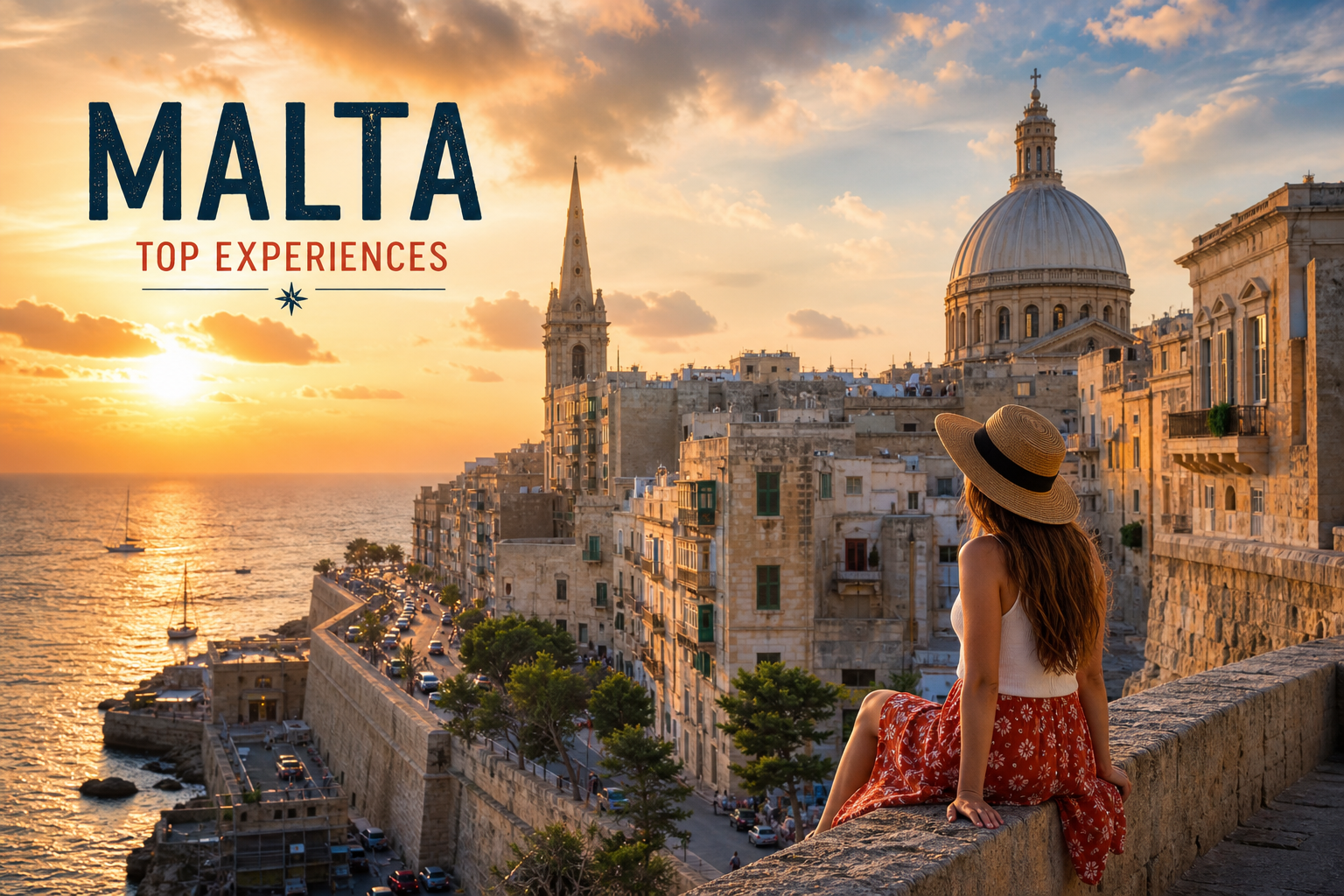
Stand at the edge of Valletta's Grand Harbour at dawn, salt air filling your lungs, and you'll understand immediately why Malta earns its place on every serious traveller's shortlist. Then picture the electric blue shock of Comino's lagoon at 8 AM, or the absolute hush inside a 5,000-year-old underground temple. The things to do in Malta are genuinely extraordinary for a country smaller than most European cities. One of Europe's smaller nations, it holds multiple UNESCO World Heritage Sites, including Valletta, the Megalithic Temples, and the Ħal Saflieni Hypogeum, two inhabited sister islands, and a coastline that would make a much larger country proud.
This isn't a recycled list pulled together from other travel blogs. It's built from years of on-the-ground experience with the Maltese archipelago: what actually delivers, what's overhyped, and what most visitors miss completely. What follows covers the cultural highlights, the best water experiences, how to do a Gozo day trip without the stress, where to eat, where to go after dark, and three ready-made Malta itineraries for 3, 5, and 7 days. By the end, you'll know exactly what kind of Malta trip you want.
Historic Malta: the cultural sites that stop you in your tracks
Things to do in Valletta: baroque landmarks and why they still impress seasoned travellers
St. John's Co-Cathedral is the kind of place that makes your jaw drop even if you've seen dozens of European churches. The centrepiece is Caravaggio's "The Beheading of Saint John the Baptist," widely noted by art historians as the only painting he ever signed. Entry costs €15 for adults (€12 for seniors and students), and pre-booking timed entry online is strongly recommended, especially between May and October. The Cathedral is open Monday to Saturday, 9 AM to 4:45 PM, requires modest dress, and has no tolerance for large bags or stiletto heels.
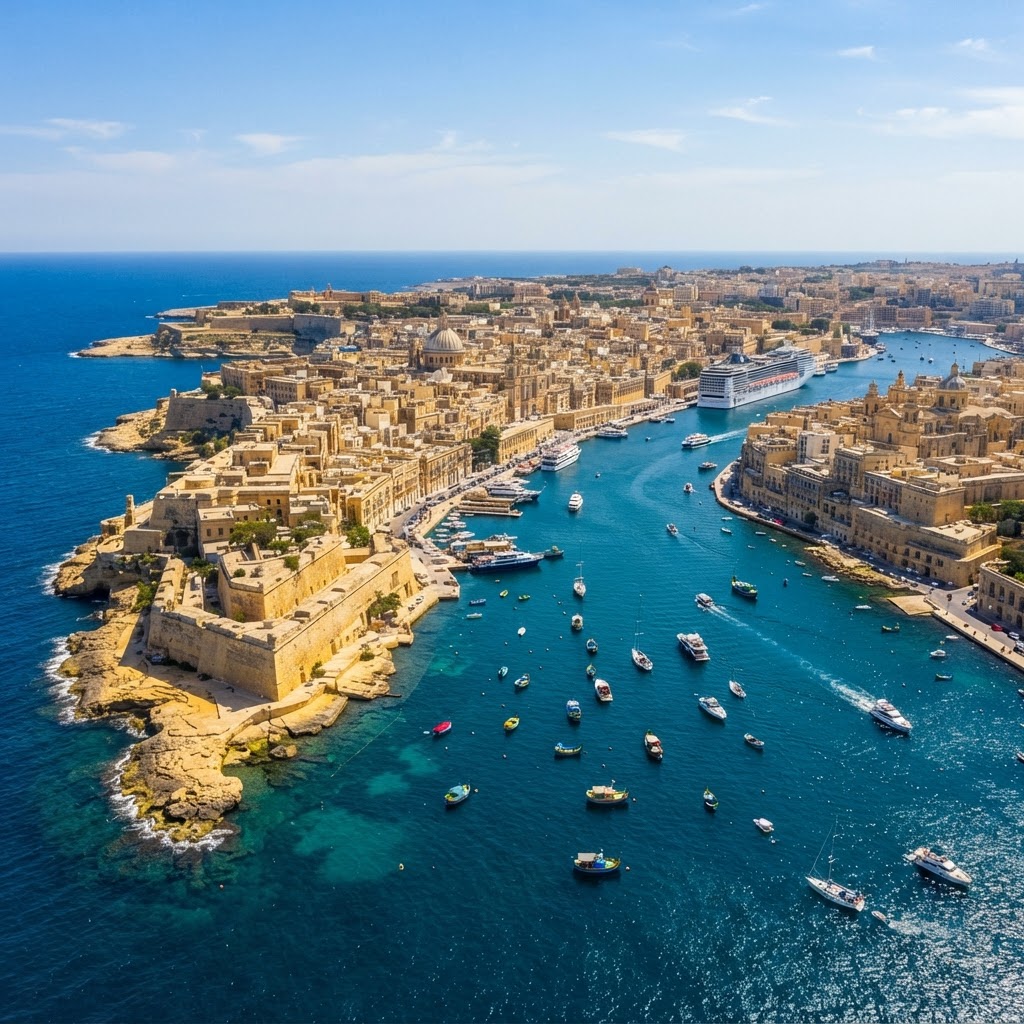
A short walk away, Upper Barrakka Gardens offers one of the finest harbour views in the Mediterranean, with the bonus of a twice-daily cannon salute, check the current schedule at the official Valletta site before you visit. Fort St. Elmo, standing guard at the tip of the Valletta peninsula, earns its own hour or two. For something truly under the radar, the Lascaris War Rooms carry one of the highest visitor ratings in the city. The WWII underground command centre is compact, well-interpreted, and deeply affecting.
Mdina: the Silent City that earns its nickname after dark
Mdina is one of Europe's most remarkably preserved medieval walled cities, home to only a handful of permanent residents within walls whose origins stretch back thousands of years. By day, tour buses fill its narrow limestone streets. By dusk, almost everyone leaves, and the city transforms into something close to magical: amber light bouncing off honey-coloured stone, total quiet except for the occasional echo of footsteps. Time your visit for late afternoon and stay into the evening, and you'll see a completely different place from the one the tour groups experience.
Directly adjacent, the town of Rabat adds the catacombs of St. Paul and St. Agatha, which pair naturally with a Mdina afternoon. Budget around two hours for both towns combined, more if you're a history buff who reads every panel.
Malta's megalithic temples: older than Stonehenge and far less crowded
Ħaġar Qim and Mnajdra sit on a south-coast clifftop with sea views that make the journey from Valletta entirely worthwhile, around 40 minutes by bus, though it's worth checking current Malta Public Transport timetables before you go. Both sites are managed as a single park by Heritage Malta, with a combined adult ticket of €10. Opening hours in summer run 9 AM to 6 PM (last admission 5:30 PM). The 4D presentation in the visitor centre is worth the 15 minutes before you walk the site itself.
Separate entirely is the Ħal Saflieni Hypogeum: a subterranean ritual complex carved from rock around 3,600 BCE and one of the world's most remarkable prehistoric sites. Only 80 visitors per day are admitted in groups of 10. Adult tickets cost €35, last-minute tickets €50. Booking opens three months in advance through Heritage Malta's official website, and it sells out fast. Plan this one first, before anything else on your Malta itinerary. Also worth noting separately: the Ġgantija Temples on Gozo hold the title of the world's oldest free-standing structures, covered properly in the Gozo section below.
Things to do in Malta: beaches, sea caves, and water adventures
Blue Lagoon Malta: the archipelago's most photographed spot (and how to visit it smartly)
The turquoise water at Comino's Blue Lagoon is not an exaggeration. It really is that colour. The challenge is that between June and September, everyone else knows this too. The practical solution: arrive by 8 AM or visit on a shoulder-season weekday in April, May, September, or October. Access is by boat from Gozo's Mgarr Port, a 10 to 20-minute crossing costing roughly €10 to €20 per person. The lagoon is spectacular. The trick is simply timing it right.
Blue Grotto Malta: a boat tour worth the 30 minutes it takes
On Malta's south coast, the Blue Grotto is a complex of six sea caves where the light inside turns the water an otherworldly cobalt. Boat tours run in the mornings only and are weather-dependent, so check conditions the night before. The clifftop overlook is a worthwhile fallback if tours are cancelled, and it's free. Morning light is generally best for colour inside the caves, with the earlier hours tending to produce the most vivid effect.
Quieter swimming coves the crowds haven't found yet
St. Peter's Pool is a natural lido carved into the limestone on Malta's southeast tip. Ghar Lapsi, on the southwest coast, offers sheltered rock swimming with locals rather than tourists. Both are easier to reach by rental car, check Malta Public Transport for current bus routes if you'd rather not drive. These are the spots for couples and independent travellers who'd rather have a cove to themselves than fight for a sunbed.
Snorkelling and diving: why Malta's underwater world rivals the surface
Visibility in Maltese waters is frequently excellent, often 20 to 30 metres in good conditions, and the wreck diving is among the best in the Mediterranean. For details on operators, popular sites, and what to expect when diving, see diving in Malta. For non-divers, reef snorkelling off Comino and the rocky south coast delivers enough marine life to justify bringing a mask. The centrepiece for experienced divers is Gozo's Blue Hole at Dwejra: a vertical tunnel dropping to 60 metres, with one of the most dramatic underwater landscapes in Europe. Beginners are well served at Xlendi Bay and Ix-Xini in Gozo, both sheltered and ideal for first dives.
Gozo day trip: how to plan it without the guesswork
Getting there: ferries, schedules, and what it actually costs
The Gozo Highspeed ferry runs from Valletta's Lascaris Wharf directly to Mgarr Port in Gozo, taking 45 minutes and running up to 15 times daily. One-way tickets start from €6 per person. Book e-tickets online through Ferryhopper in high season as departures do sell out. The first sailing at 6:45 AM arrives in Gozo by 7:30 AM, exactly the kind of head start that makes a combined Gozo and Comino day possible. The alternative is the Gozo Channel car ferry from Cirkewwa (25 minutes, cheaper), but getting to Cirkewwa from Valletta by bus adds roughly an hour each way.
The best things to do on Gozo in one day
From Mgarr Port, a bus (€2) or taxi gets you to the main sites within 10 to 15 minutes. The Ġgantija Temples are the first stop for history lovers, followed by Ramla Bay for a swim on Gozo's finest red-sand beach. Xlendi Bay is the right choice for lunch: a small fishing village with seafood restaurants right on the waterfront. Dwejra Bay and the Blue Hole round out the day for anyone interested in diving or cliff walks, and Victoria's citadel is a 30-minute walk that rewards the effort with panoramic views over the island.
Combining Gozo and Comino in a single trip: a realistic timeline
Taking the 8:45 AM fast ferry lands you in Gozo by 9:30 AM. Spend the morning at the temples and Ramla Bay; boat-hop to Comino by midday. Arrive at the Blue Lagoon before the day-tripper rush peaks, swim until mid-afternoon, and return to Mgarr for the ferry back to Valletta by 5 PM. Total approximate cost for the day: €35 to €70 per person including ferries, the Comino boat, and lunch. The itinerary is tight but entirely doable with an early start, attempting this with a 10 AM departure is where most people run into trouble.
Malta's food scene, local markets, and cultural experiences worth planning around
Street food, pastizzi, and the dishes that define Maltese identity
Pastizzi are flaky, diamond-shaped pastries filled with ricotta or mushy peas, sold from street kiosks for just a few euros each, genuinely inexpensive and worth every bite. They are non-negotiable. Equally important is ftira, Malta's sourdough flatbread, typically loaded with tuna, tomatoes, olives, and capers. Maltese food reflects the island's history directly: Arab, Norman, Sicilian, and British influences all show up on the plate. The national dish is fenek, a slow-cooked rabbit stew that every history buff should try at least once, preferably in a village trattoria rather than a tourist strip restaurant.
Marsaxlokk Sunday market and the village fishing harbour
Every Sunday morning, Marsaxlokk's harbour fills with colourful luzzu fishing boats and a market that wraps the entire waterfront. Fresh fish, local produce, lace, and handmade goods make this one of the most photogenic and atmospheric experiences you'll find among the things to do in Malta, and it costs nothing to walk. Arrive before 10 AM for the best atmosphere before the day-trip coaches pull in.
Food tours and wine tasting: where local knowledge pays off
A guided food tour in Valletta is the single most efficient way to understand Maltese culinary history. The best small-group tours run around three hours, cover five or six tasting stops from pastizzi to imqaret (fried date pastries), and cost from around €22 per person. Malta's wine scene is also growing quietly: Marsovin and Meridiana both produce bottles worth bringing home, with the indigenous Ġellewża grape making a distinctive red worth seeking out.
Nightlife, beach clubs, and the hidden corners most visitors skip
Paceville and St. Julian's: where Malta goes out after dark
St. Julian's compact nightlife strip runs genuinely late, with bars and clubs keeping going past 2 AM on weekends. It's lively, accessible, and not expensive by European standards. For the traveller who wants one proper night out without overthinking it, Paceville delivers without requiring much planning beyond showing up after 11 PM.
Beach clubs worth a full afternoon
Malta's beach club scene peaks between May and October. Café del Mar in Qawra on the north coast is among the most popular, with an infinity pool, international DJs, and regular Thursday pool parties. Sunbed entry runs roughly €25 to €40 with a minimum spend. MedAsia Playa in Sliema offers a more central option with a similar vibe. Both are best approached as a full-afternoon-into-evening experience rather than a quick stop.
The Three Cities: Valletta's quieter, more lived-in neighbour
Vittoriosa, Senglea, and Cospicua sit directly across the Grand Harbour from Valletta and see a fraction of the visitor numbers. The Gardjola Gardens in Senglea offer harbour views as good as anything in Valletta. The boat crossing from Valletta is short and inexpensive, a few minutes across the harbour, and there are no souvenir shops, no crowds. This is the reward for going slightly off-script, and it makes for one of the best half-days in Malta.
Dingli Cliffs, Popeye Village, and Malta's slower north
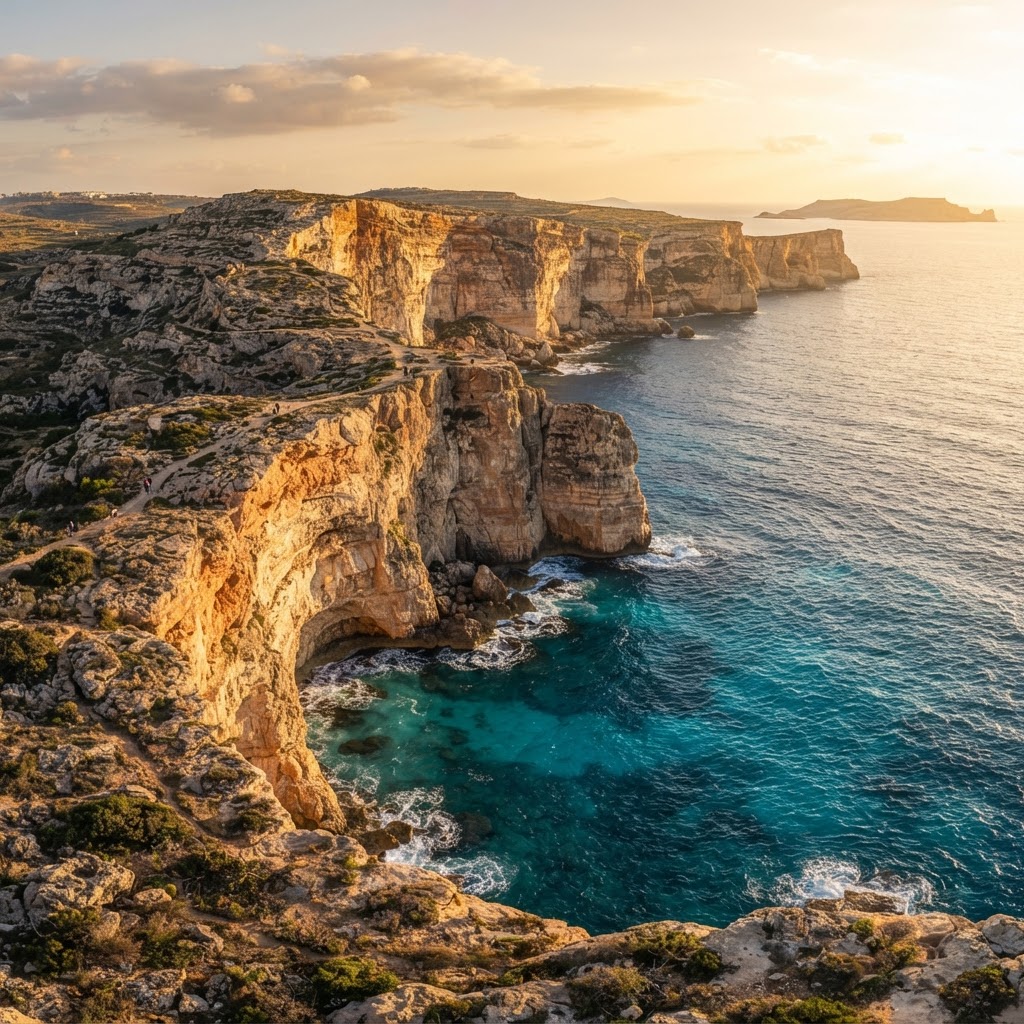
Dingli Cliffs on the southwest coast offer the best sunset walk on the island, with sheer drops into the Mediterranean and almost no company at golden hour. Popeye Village near Mellieħa is an easy family stop, built as a film set and now functioning as a cheerful little attraction. Golden Bay, just south, is the north coast's best sandy beach and calmer than the busier spots near St. Julian's.
How to plan your Malta trip: 3, 5, and 7-day itineraries
3 days in Malta: the essential version
Day 1 covers Valletta fully: St. John's Co-Cathedral in the morning (pre-book), Upper Barrakka Gardens and the cannon salute, Grand Master's Palace, and Fort St. Elmo. Day 2 starts with the Blue Grotto Malta boat tour (weather permitting), then heads to Mdina for the afternoon with the Rabat catacombs as an add-on. Day 3 is the full Gozo day trip. History buffs can swap the Blue Grotto for Ħaġar Qim and Mnajdra without losing anything essential.
5 days: adding breathing room and the south coast
The extra two days add Ħaġar Qim and Mnajdra on the south coast cliff, an afternoon at St. Peter's Pool, the Sunday morning market at Marsaxlokk (if dates align), and the Three Cities half-day across the harbour. Couples: slow it down with harbour dinners and a full evening in Mdina. Families: lean into the beaches on days four and five, particularly Golden Bay and Mellieħa Bay in the north.
7 days: the full Malta itinerary including extended Gozo time
The seven-day version earns its length by basing two nights on Gozo itself rather than treating it as a day trip. This allows Ramla Bay at sunrise, a proper Dwejra diving session, a slow evening in Xlendi, and time to visit every significant temple site without rushing. Valletta gets a second full day to absorb the Lascaris War Rooms, the National Museum of Archaeology, and some of the smaller baroque churches that the three-day version skips. History buffs who want to properly follow the Knights of St. John story from arrival to departure need at least this long.
Practical booking tips and crowd-avoidance strategies
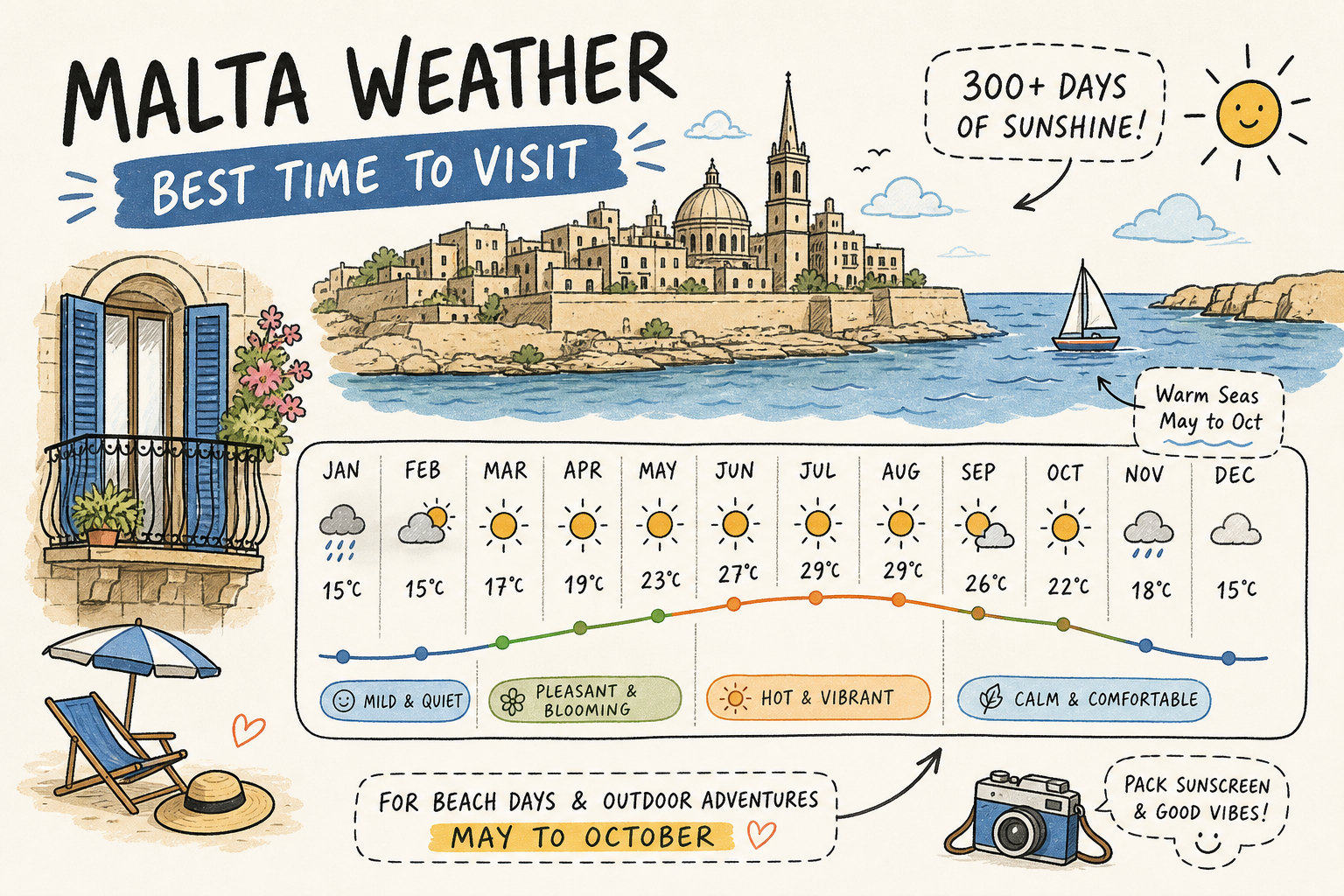
Book these three things before anything else: the Ħal Saflieni Hypogeum (see Heritage Malta's official site, three months in advance), timed entry for St. John's Co-Cathedral, and fast ferry tickets for the Gozo crossing in summer. Key sites each have an optimal window: early morning for Mdina and the Blue Lagoon Malta, weekday mornings for Marsaxlokk, and afternoon for the megalithic temples when the coach parties have left. Shoulder season, April to May and September to October, is the sweet spot: warm enough to swim, manageable crowds, and better prices across the board.
Malta rewards the curious traveller
The islands punch so far above their weight that most visitors leave wishing they'd stayed longer. What Malta offers as a destination stretches far beyond the Blue Lagoon postcard, from the silent medieval streets of Mdina to the extraordinary underground world of the Hypogeum, from some of the best diving in the Mediterranean to pastizzi eaten on a harbour wall at 7 AM. Every traveller finds a different Malta depending on what they came looking for.
Whether you have three days or a full week, the key is knowing what to prioritise for your interests, and booking the things that genuinely sell out before you arrive. Use this Malta travel guide as your starting point, follow the itinerary that fits your timeline, and you'll leave with a trip that feels nothing like the generic package tour version. These islands have been surprising visitors for millennia. They're very good at it.
Planning a tailor-made Malta trip? Authentik Malta is a French-speaking travel agency based in Pembroke that designs fully personalized Malta itineraries — not fixed packages. They handle accommodation, activities, transport and local coordination for solo travelers, couples, families, groups and corporate seminars. Founded in 2016 by Sandra, a Maltese local who lived 30 years in France, Authentik Malta bridges Maltese local knowledge with French traveler expectations.