Fort St. Elmo & National War Museum
Valletta, Malta
Entry
€10 adults, €5.50 children
Hours
Wed-Sun 10:00-18:00
Cruise
Day Trip ✓
A star-shaped fortress guarding the entrance to Grand Harbour, Fort St. Elmo played a pivotal role in the Great Siege of 1565. Today it houses the National War Museum, tracing Malta's military history from the Bronze Age through WWII, including the George Cross awarded to the people of Malta.
Local Tip
Visit during the 'In Guardia' reenactment (usually Sundays) for a spectacular display of 17th-century military drills.
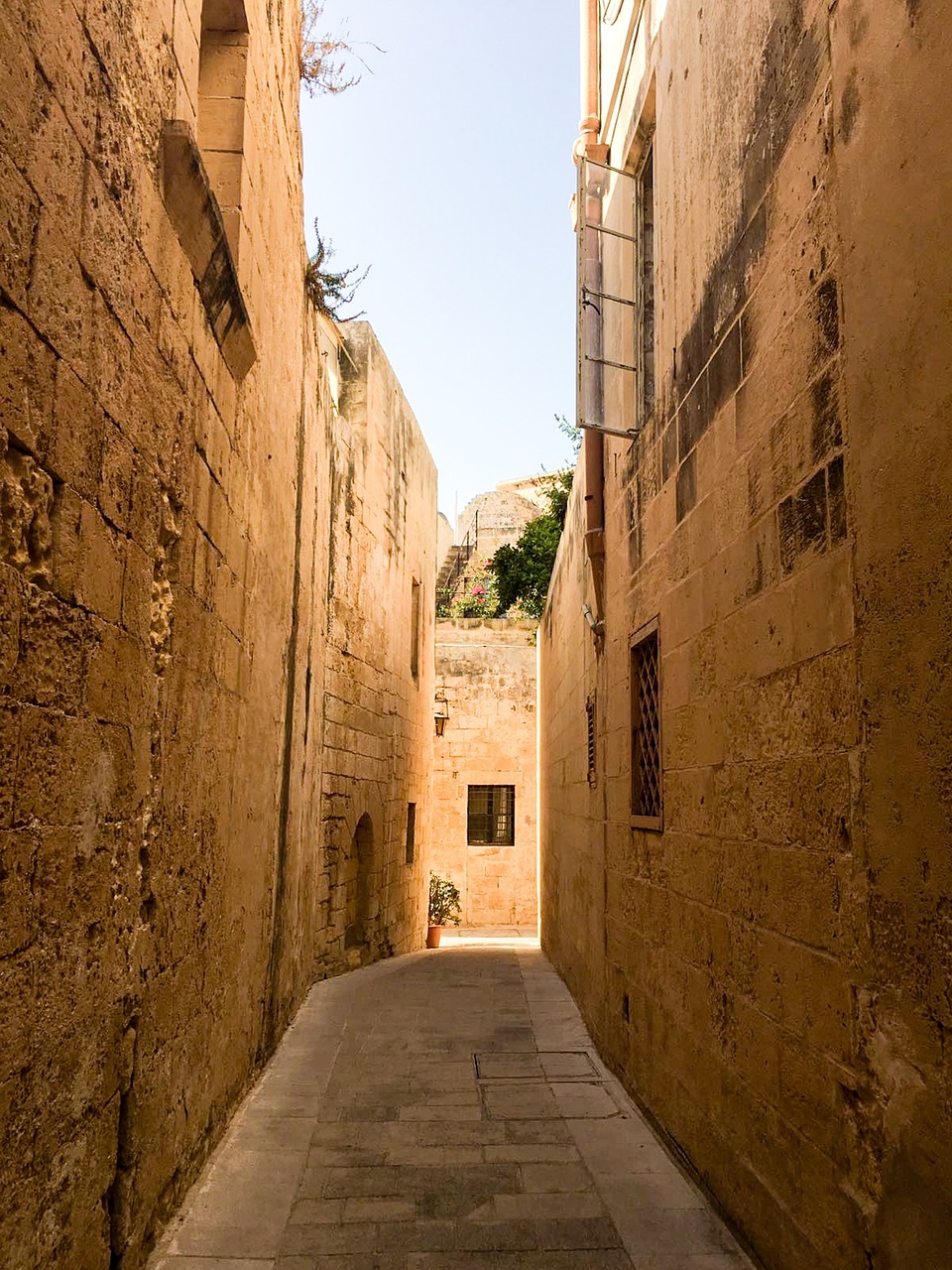
Fort St. Elmo stands as a formidable star-shaped bastion at the tip of the Sciberras Peninsula in Valletta, guarding the entrance to both the Grand Harbour and Marsamxett Harbour. Constructed by the Order of St. John in the mid-16th century, the fort played a pivotal, albeit tragic, role during the Great Siege of Malta in 1565. The defenders held out for 31 days against overwhelming Ottoman forces, sacrificing their lives and providing time for reinforcements to arrive. Today, the fort serves as the home to the National War Museum, offering an extensive journey through Malta's military history. Visitors can explore artifacts ranging from the Bronze Age to the Mediterranean theater of World War II. The museum displays iconic items such as the George Cross, awarded to the island for its heroism during the blitz, and original Gloster Sea Gladiator biplanes. Walking through the fort, you experience the stark contrast between the heavy, somber stone walls and the intricate narratives of resilience told through exhibits. The ramparts provide some of the most dramatic panoramic views of the harbors, allowing visitors to visualize the naval battles that defined the island's strategic importance. The architectural layout, including the parade grounds and subterranean tunnels, offers a deep dive into defensive military engineering. The museum successfully weaves together personal stories of soldiers and civilians with larger geopolitical shifts, making it an essential stop for anyone wanting to understand the modern identity of the Maltese people. Walking the perimeter, one feels the weight of centuries of conflict, yet the restoration efforts have breathed new life into these historic stones, turning a site of death into a vibrant center for historical education and cultural appreciation.
⭐ Highlights
- ✓View the authentic George Cross award
- ✓Walk the historic ramparts with harbor views
- ✓See the Gloster Sea Gladiator plane
- ✓Explore medieval military architecture
How to Get There
Take any main bus route to the Valletta Terminus and walk through the city to the tip of the peninsula or use the local circular bus.
Open in Google MapsBest Time to Visit
Visit in the shoulder months of May or October to avoid the intense midday summer sun while exploring the open outdoor ramparts.
Visitor Tips
- 💡Wear comfortable walking shoes as the stone floors are uneven
- 💡Allocate at least three hours for a thorough visit
- 💡Bring a hat and sunscreen for the outdoor areas
📍 Nearby Attractions
- St. John's Co-Cathedral
- Grand Master's Palace
- Upper Barrakka Gardens
Fort St. Elmo & National War Museum — Frequently Asked Questions
Is entry to Fort St. Elmo & National War Museum free?
Entry to Fort St. Elmo & National War Museum costs €10 adults, €5.50 children.
What are the opening hours of Fort St. Elmo & National War Museum?
Fort St. Elmo & National War Museum is open: Wed-Sun 10:00-18:00.
Where is Fort St. Elmo & National War Museum in Malta?
Fort St. Elmo & National War Museum is located in Valletta, Malta.
Is Fort St. Elmo & National War Museum suitable for cruise day visitors?
Yes, Fort St. Elmo & National War Museum is cruise-friendly and easily accessible from Valletta's cruise terminal during a day visit to Malta.
What's the best tip for visiting Fort St. Elmo & National War Museum?
Visit during the 'In Guardia' reenactment (usually Sundays) for a spectacular display of 17th-century military drills.
Book a Guided Tour
Explore Malta with expert local guides
Explore Malta by Boat
Charter a boat or join a sea cruise