Malta's Colourful History: A Crossroads of Empires and Cultures
Malta's history is nothing short of extraordinary — a colourful catalogue of geography, conquest, and cultural exchange shaped by everyone from ancient Phoenicians to British naval forces. Sitting proudly in the heart of the Mediterranean, the Maltese Islands have long been a prize and a refuge, a fortress and a cultural melting pot. Today, visitors can still trace the fingerprints of those who came before — not just in museums, but under the water, as Malta's wreck diving scene reveals relics from nearly every era of its past.
From Phoenicians to Romans: The Ancient Roots
The story begins over 3,000 years ago with the seafaring Phoenicians, who first recognized Malta's strategic location between Europe and North Africa. They left behind trade routes and tombs that still intrigue archaeologists today. Later came the Greeks and the Romans, who integrated Malta into their expanding empires. Roman villas, mosaics, and thermal baths — such as those in Rabat — stand as reminders of a time when Malta thrived as a prosperous outpost of classical civilization.
The Arab Influence and Southern Tides
After the collapse of Rome, the Arabs swept through the Mediterranean, leaving an indelible mark on Maltese language, agriculture, and architecture. Many Maltese words, irrigation systems, and terraced fields today still bear their influence. Yet Malta's strategic position also made it a target for rival powers. Imperial Spain and the Kingdom of the Two Sicilies vied for dominance, while Venetian traders exerted soft power through commerce and diplomacy.
The Knights of St. John: A Golden Age of Power and Architecture
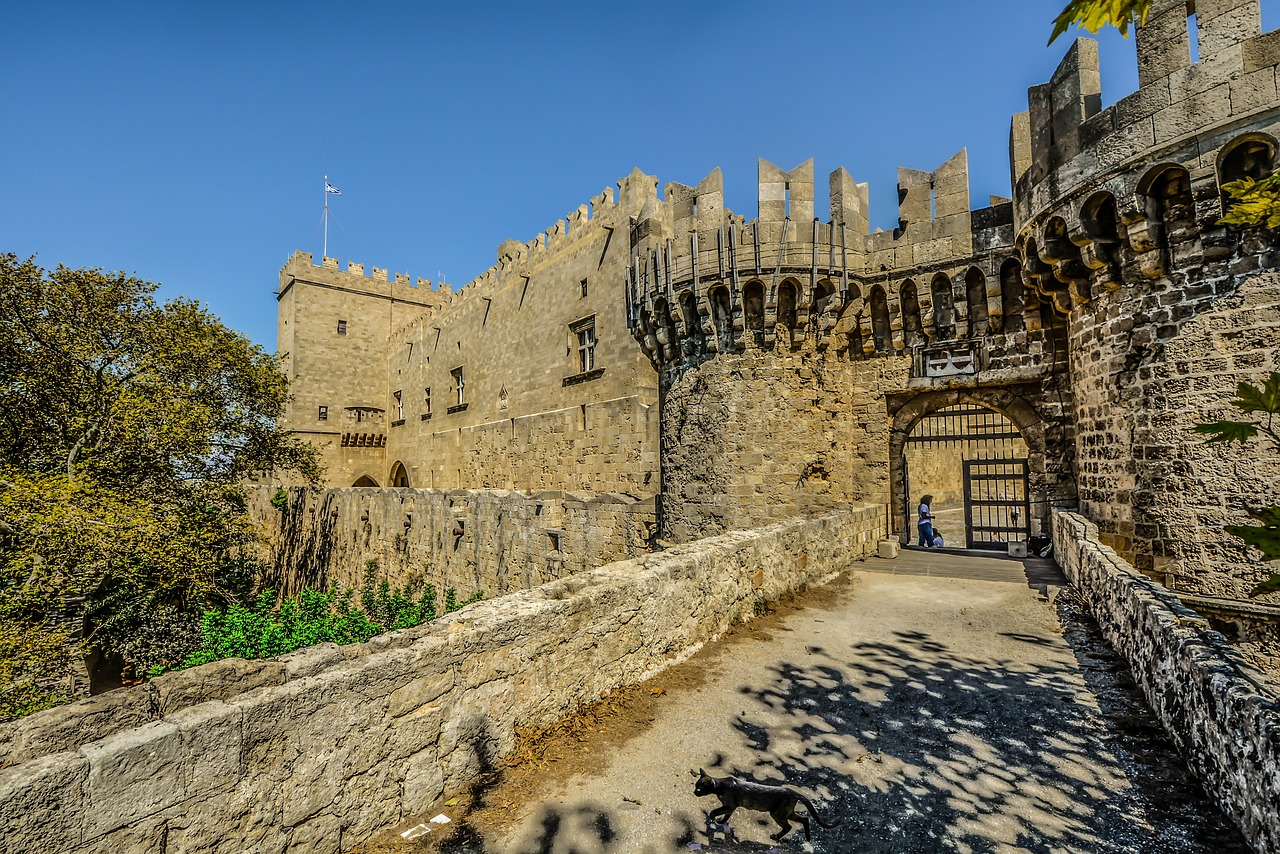
A defining chapter began when the Ottoman Turks expelled the Knights Hospitaller from Rhodes. In 1530, the Pope and the King of Spain struck a fateful deal — granting Malta to the Knights for a symbolic rent of one Maltese Falcon per year.
The Knights built the magnificent Three Cities — Vittoriosa, Senglea, and Cospicua — turning Malta into one of the most formidable naval fortresses in Europe. In 1565, the Great Siege of Malta saw the Ottoman Empire attempt to crush them. Against staggering odds, the Knights and the Maltese people triumphed, a defining moment of national pride.
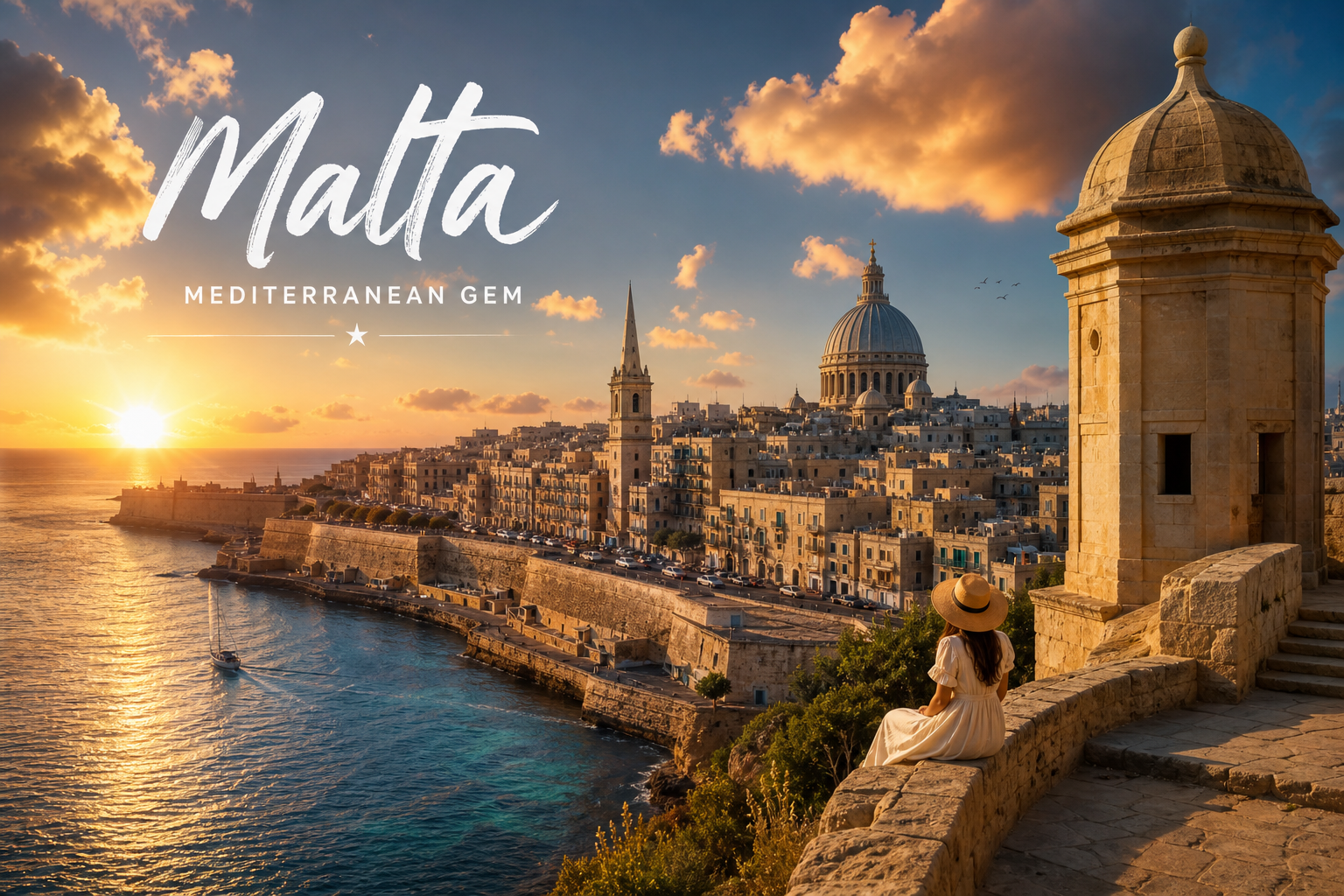
In honour of the victory, Grand Master Jean de Valette commissioned the creation of a new fortified capital: Valletta, built in 1566 and now a UNESCO World Heritage Site. Its grid-like streets, grand auberges, and baroque churches remain among the finest architectural achievements of the 16th century.
French Occupation and British Rule
The Knights ruled for over two centuries, until Napoleon Bonaparte arrived in 1798 during his campaign to Egypt. The French briefly occupied Malta, but their heavy taxation and secular reforms angered the locals. Within two years, the Maltese revolted and requested British assistance to drive out the French.
The British Empire, recognizing Malta's strategic naval position, gladly obliged. By 1814, Malta was formally established as a British Crown Colony, serving as a crucial naval base linking Europe, North Africa, and the Middle East.
At one point, Malta even petitioned to become part of the United Kingdom — a request declined by Westminster, a decision some older Maltese still remember with a hint of bitterness. The British presence, however, left lasting effects: English became an official language, Victorian architecture reshaped cityscapes, and British naval culture intertwined with island life.
The Second World War: Malta's Second Great Siege
The 20th century brought another test of endurance. During World War II, the Axis powers launched relentless air raids on Malta, attempting to break Allied control of the Mediterranean. Despite devastating losses, the Maltese people refused to surrender. Their extraordinary bravery earned the entire population the George Cross — a rare and deeply symbolic honor that still appears on the national flag today.
Independence and Modern Malta
Malta's strategic importance persisted long after the war. The Royal Navy finally left in 1979, marking the end of more than 150 years of British military presence. The island became independent in 1964, a republic in 1974, and eventually joined the European Union in 2004, embracing a new era of prosperity and international integration.
Today, Malta is not just a historical treasure — it's a living reminder of resilience, diversity, and cultural fusion. Every fortress, dome, and sunken ship off its coast tells a story of survival and reinvention. Whether you're wandering through the streets of Valletta, diving among World War II wreckage, or tasting traditional pastizzi under golden limestone walls, you're experiencing the legacy of a nation that has stood at the crossroads of history for millennia.