Birgu (Vittoriosa), Malta: Complete 2026 Travel Guide
Birgu (Vittoriosa), Malta: The Complete 2026 Travel Guide
Across the Grand Harbour from Valletta sits Birgu — also known as Vittoriosa — one of Malta's oldest and most historically significant towns, and one of the least crowded. It packs centuries of Knights of St John history into a tight web of stone lanes and bastions, with none of the day-tripper crush you will find in Valletta or Mdina.
Quick facts
| Also known as | Vittoriosa ("the victorious"), part of the Three Cities |
| Population | Around 2,500 |
| Capital of Malta | Served as capital during the early rule of the Knights of St John, in the 16th century |
| Part of | The Three Cities (Cottonera), alongside Senglea (Isla) and Cospicua (Bormla) |
| Best time to visit | April–June or September–October |
| Vibe | Slower-paced, authentic, and noticeably less touristy than Valletta or Mdina |
A brief history
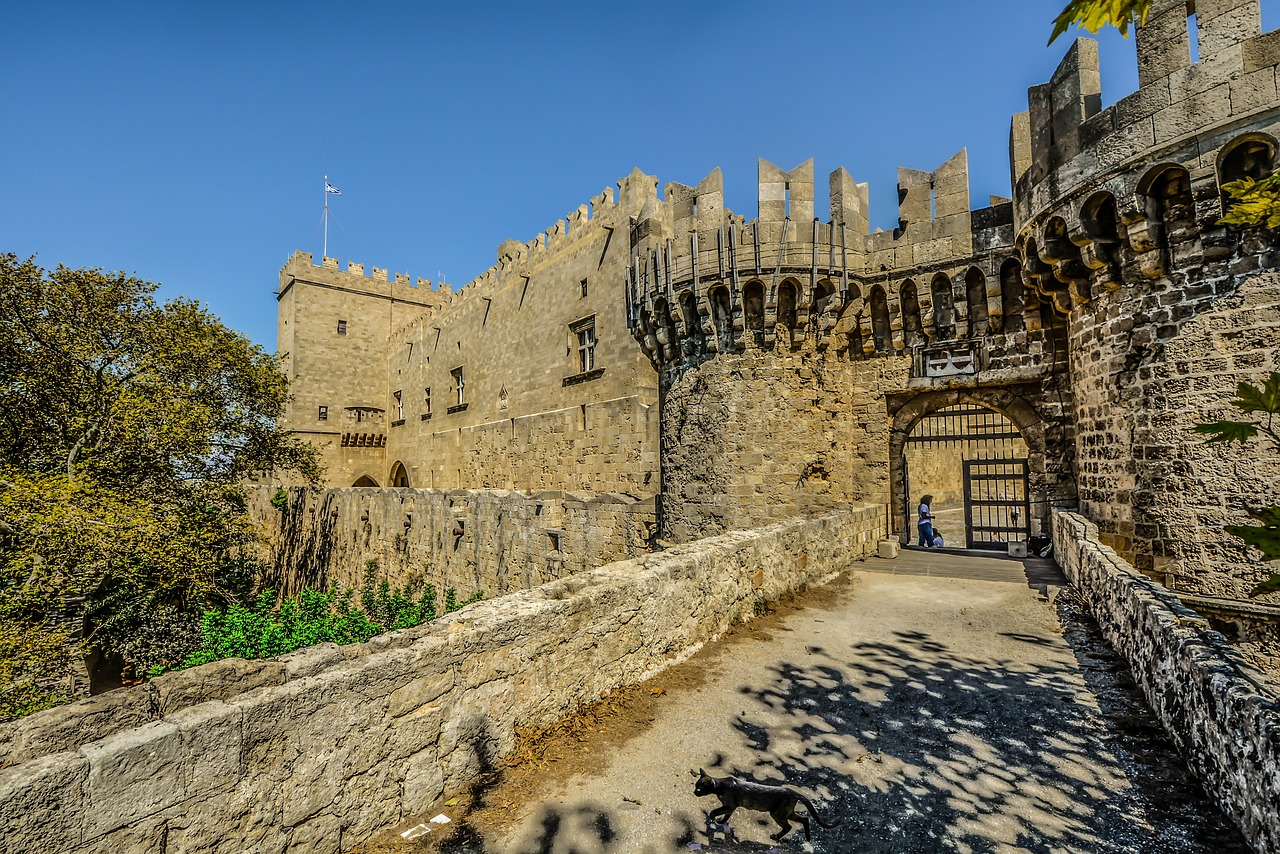
Birgu is one of Malta's oldest settlements and takes its second name — Vittoriosa, "the victorious" — from its central role in the Great Siege of 1565, when the Knights of St John held off a massive Ottoman invasion force. Before Valletta was even built, Birgu briefly served as the Knights' capital and stronghold. That deep layer of military and religious history is exactly what makes it so dense with things to see for a town of its size — fortifications, palaces, and churches packed into a small, walkable peninsula.
Getting there
Birgu sits directly across the Grand Harbour from Valletta, in the area known as Cottonera. You can reach it by:
- Ferry from Valletta — a short, scenic crossing straight across the harbour, and by far the most atmospheric way to arrive.
- Bus from Valletta or other towns, dropping you close to the waterfront.
- Car or taxi — there is parking nearby, though some streets (Triq San Lawrenz among them) have time-limited parking, so check signage.
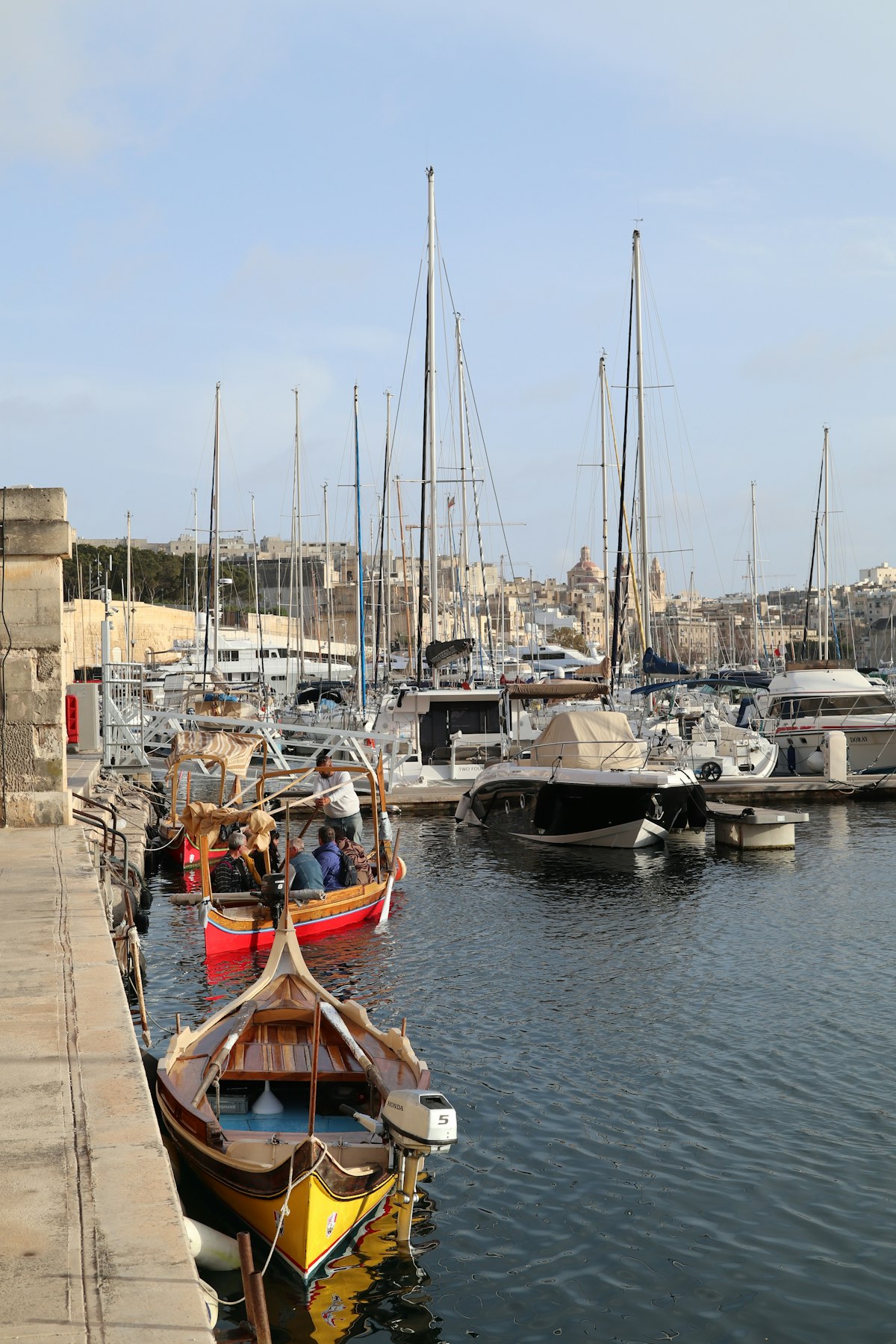
- Guided tour — many "Three Cities" half-day tours combine Birgu with Senglea and Cospicua, often including a boat trip across the Grand Harbour on a traditional dgħajsa (Maltese harbour boat).
Top things to see and do
Fort St Angelo. The single biggest draw — a hulking harbour-front fortress with layers of history running from medieval times through the Knights of St John to British rule. Climb up for genuinely spectacular views back across the Grand Harbour to Valletta.
The Inquisitor's Palace. One of the few surviving inquisitor's palaces open to the public anywhere in the world, with preserved courtrooms and prison cells giving a vivid, slightly unsettling sense of the Inquisition's presence in Malta.
Birgu Waterfront. The main promenade lined with restaurants and cafés, especially lovely at sunset with views across to Senglea and Valletta — a good spot to end a day of walking.
Malta Maritime Museum. Covers Malta's seafaring history in depth, a natural stop given Birgu's harbour-front setting and naval past.
St Lawrence Church. A grand baroque church and one of Birgu's most important religious landmarks, worth a look even from the outside for the square it sits on.
Gardjola Gardens. A small watchtower garden at the tip of the peninsula, offering one of the best panoramic viewpoints over the Grand Harbour.
The Malta at War Museum. Located at Birgu's historic entrance, focused on the island's ordeal during the Second World War — a strong pairing with Fort St Angelo's military history.
Free things to do
Not every highlight requires an entry fee — you can spend a genuinely enjoyable few hours simply:
- Wandering the quiet backstreets and Knights-era architecture
- Walking through the ditch gardens beneath the old fortifications
- Strolling the waterfront at golden hour
The Three Cities, together
Birgu is one of three fortified harbour towns collectively known as Cottonera — alongside Senglea (Isla) and Cospicua (Bormla). Many visitors combine all three in a single half-day, often via a guided walking tour or a Grand Harbour boat trip that links them by water rather than on foot.
Practical tips
- Birgu is noticeably quieter than Valletta or Mdina — a good choice if you want Malta's Knights-era history without the crowds.
- Costs for food and drink here tend to run a little lower than in more touristy Valletta.
- Nightlife is low-key — cosy bars rather than anything resembling Paceville — so treat this as a daytime/early-evening visit rather than a night out.
- Combine it with a Grand Harbour boat trip if you want the classic photo of Birgu's skyline from the water.
Frequently asked questions
Is Birgu the same as Vittoriosa? Yes — Vittoriosa is Birgu's other, more historic name, given after its role in the Great Siege of 1565. Both names are used interchangeably today.
Is Birgu worth visiting? Yes — it offers the same depth of Knights-era history as Valletta or Mdina, with far fewer crowds and a more authentic, lived-in atmosphere.
How do you get from Valletta to Birgu? The ferry across the Grand Harbour is the quickest and most scenic option; bus and car routes are also straightforward.
What are the Three Cities? Birgu (Vittoriosa), Senglea (Isla), and Cospicua (Bormla) — three fortified towns on the Grand Harbour, collectively known as Cottonera.
How much time do you need in Birgu? Half a day covers the main sights comfortably; a full day if you are combining it with Senglea and Cospicua.
Ready to explore more of Malta's history? Discover top Malta attractions, browse Grand Harbour boat trips, or read our Mdina guide for another of Malta's historic fortified cities.