Best Beaches in Malta: Your Ultimate 2026 Guide
The best beaches in Malta are scattered across three islands, and they are nothing like what most first-time visitors expect. I arrived expecting one long stretch of white sand, a sunlounger, and maybe a mediocre cocktail. What I found instead was 196 kilometres of sculpted limestone coastline, water so blue it looks photoshopped, and around a dozen proper sandy beaches spread across Malta, Gozo, and Comino. Honestly? It turned out to be a far better deal than anything I'd imagined.
But here's where most Malta beach guides go wrong: they hand you a ranked list of ten beaches as if every traveller wants the same thing. They don't. The best beach in Malta for a family with a three-year-old looks nothing like the best beach for someone who wants to spend two hours watching moray eels glide past a reef. And neither of those is the right choice for the person who'd rather not share a sunlounger view with four hundred strangers.
This guide is built around your situation. By the end of it, you'll know which stretch of Maltese coastline suits your trip, how to reach it without a logistics headache, and when to show up so you're not elbow-to-elbow with half of Europe. Let's sort it out.
What makes Malta's coastline unlike any other European beach destination
Most travel sites bury this detail or skip it entirely, but it's the single most useful thing to know before you plan: sandy beaches are genuinely rare in Malta. The island wasn't built for wide, flat shores. Its coastline is carved limestone, which means cliff-backed coves, sea-sculpted rock pools, and dramatic natural platforms instead of the long sandy stretches you'd find in Spain or Greece. Once you accept that, everything else makes sense.
Sandy beaches cluster almost entirely in Malta's northwest corner, with a handful dotted across Gozo and one tiny pocket on Comino. The south and centre of the main island are dominated by rocky swimming spots, which sounds like a downgrade until you realise what limestone coastline actually delivers: visibility stretching to 30 metres at the better rocky sites, marine life visible from the surface, and natural pools where the water sits perfectly still even on windy days.
Gozo, the second-largest island and a 25-minute ferry ride north, adds a third dimension. It's quieter, more rural, and its cliff-backed bays stay sheltered and calm when the main island gets choppy. Comino, the tiny island between the two, is almost entirely rock and turquoise water. It's also home to the most photographed swimming spot in the entire archipelago. Each island plays a different role, and knowing which one to visit first changes your whole trip.
Best beaches in Malta for families with young children
If you're travelling with small children, point yourself northwest and stay there. The northwest corner of Malta is where the sandy beaches are, where the water is shallowest, where lifeguards work the summer season, and where the bus routes actually reach. It's not a coincidence; it's how the island's geography divides.
Mellieħa Bay (Għadira Bay): the safest swim on the island
Malta's longest sandy beach runs for 800 metres, with a water depth that stays genuinely shallow for 20 to 30 metres offshore. For a toddler, that means you can stand comfortably and watch them splash without holding your breath. Lifeguards patrol in summer, and there are multiple snack bars and restaurants right on the beach. Sunbed hire runs around €18 for two beds and a parasol (as of 2026; check current operator rates on arrival). Route 41 from Valletta runs directly here in about 42 minutes.
The Gozo ferry terminal at Ċirkewwa is a short drive away, roughly five to ten minutes, if you want to add a day trip. It's the most practical and most genuinely safe option among the best beaches in Malta for young families.
Golden Bay: the one that earns its postcard reputation
Golden Bay holds Blue Flag certification and justifies every photograph you've seen of it. The wide amber-sand crescent faces west, which means sunsets here are spectacular, and the water stays calm enough for young swimmers through most of the summer season. Lifeguards are present from June to September, and there's a café-bar at the top of the beach with a reasonable view. Sunbed hire runs around €10 for two beds and a parasol (2026 rates; verify on site). There are some pebbles near the waterline, but nothing that stops a six-year-old. Parking costs roughly €1 per hour on site but fills fast in July and August. Buses from Valletta via Route 44 take around 55 minutes and save you the stress entirely. If you need exact directions to Golden Bay, the official directions page is useful for planning parking and access.
Paradise Bay and Pretty Bay: the underrated options
Paradise Bay sits near the Gozo ferry terminal at Ċirkewwa and offers a compact, genuinely pretty little sandy cove with shallow turquoise water and a relaxed pace. It suits families who want something quieter than Golden Bay without sacrificing soft sand. Pretty Bay in Birżebbuġa is the south Malta option: easy sand access, a playground, gentle wave action on the left side of the bay, and bus connections from Valletta via Route X4. Neither makes the cover of a travel magazine, but both deliver exactly what a family beach day actually requires.
Top beaches in Malta for snorkeling and crystal-clear swimming
Here's the honest version of this section: the best snorkeling in Malta is almost never at its sandy beaches. Rocky coves and limestone platforms generally offer far better visibility than sandy seabeds, and it's at those rocky sites where visibility can reach 30 metres, where octopus tuck themselves under ledges, and where sea bream drift past your mask in unhurried schools. If underwater exploration is what you came for, recalibrate away from sand entirely.
Blue Lagoon and Crystal Lagoon, Comino: the icons explained honestly
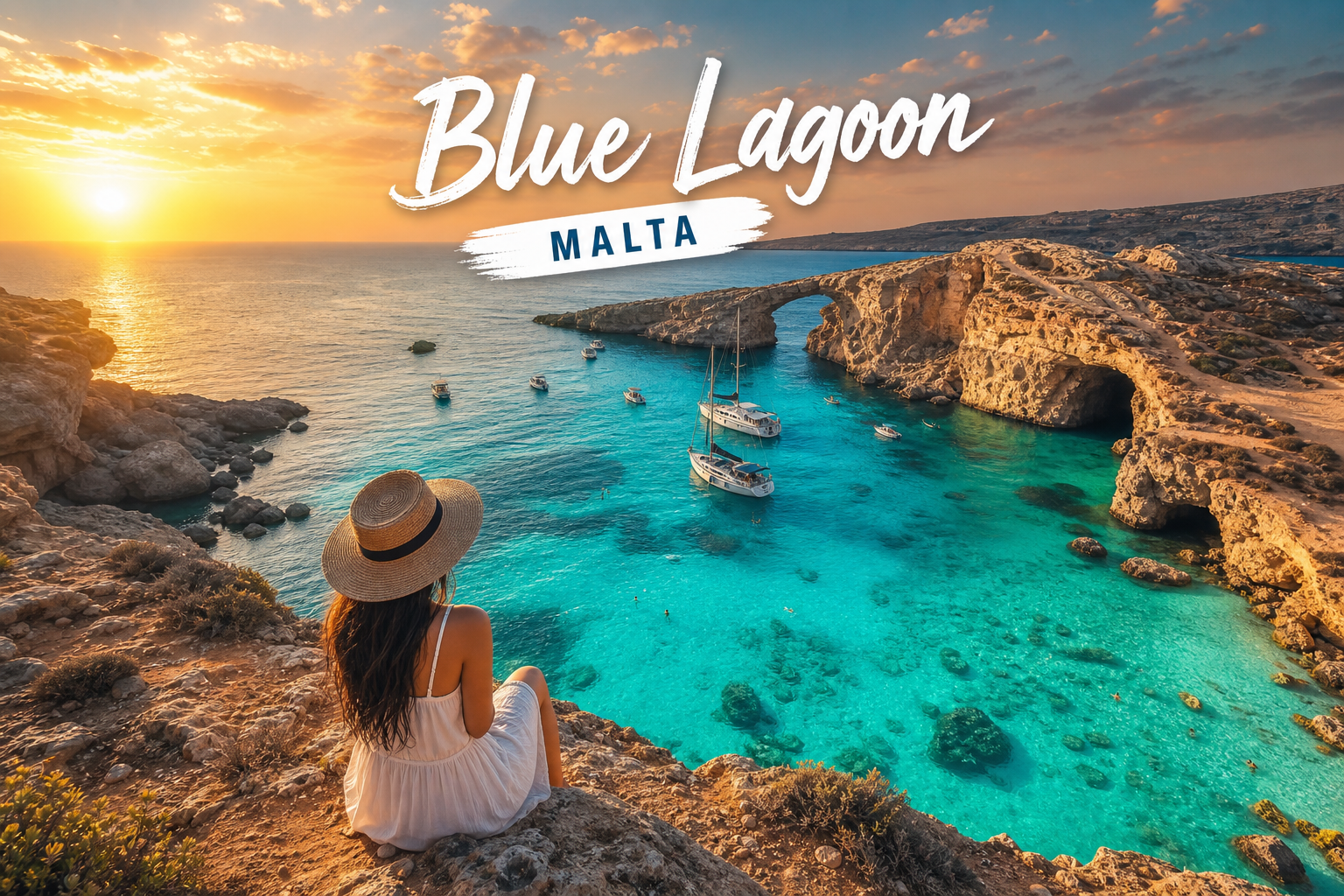
Blue Lagoon gets the fame, and it deserves it: the colour of the water is genuinely that extraordinary, and visibility is exceptional. What it doesn't always get is honesty about the crowds. By 10am on a July morning, the lagoon hosts upwards of 3,000 visitors. The booking system now caps numbers at around 4,000 at any one time, down from a peak of 12,000 daily, which is an improvement. The answer is still: arrive before 9am or after 4pm, or accept that you're swimming in very beautiful, very busy water. Crystal Lagoon, immediately next door, is the smarter pick for snorkelers. It has caves, underwater tunnels, moray eels, octopuses, and a fraction of the boats. Both are accessible by boat transfer only, departing from Ċirkewwa and Mellieħa Bay in summer; you can book Comino transfers and snorkelling trips that include the Blue Lagoon and nearby coves.
St Peter's Pool and Malta's southern swim spots
St Peter's Pool near Marsaxlokk is a natural rock platform carved into the southern coastline, with deep blue water clear enough to see the bottom from above. It's popular with confident swimmers and snorkelers who don't mind a rocky entry. Getting there without a car is genuinely awkward, which keeps the numbers manageable outside peak weekends. For a gentler rocky alternative, St Thomas Bay near Marsaskala offers a mix of sand and rock with calm, shallow water and a local rather than tourist atmosphere.
Secluded beaches in Malta and Gozo worth crossing for: Xlendi, Ħondoq Ir-Rummien, and Mgarr Ix-Xini
These three Gozo spots are worth the ferry crossing specifically for snorkeling. Xlendi Bay has turquoise, translucent water where large schools of fish are visible from the shore without a mask. Ħondoq Ir-Rummien offers water-level caves, excellent visibility, and views across to Comino. Mgarr Ix-Xini is the quietest of the three: high cliffs on both sides, complete shelter from wind, clear calm water, and very few people because most visitors simply don't know it exists. Dwejra Bay deserves a mention too, its enclosed cliff bay connects to the Inland Sea through a natural tunnel, with translucent shallow water and almost no current. For a more detailed list of the best places to snorkel in Malta, consult a snorkelling-focused guide before you go.
Secluded coves and beaches worth the extra effort
Some of Malta's most beautiful spots require a short walk, a descent down a staircase, or a willingness to leave the main road behind. The effort involved is 10 to 20 minutes of walking, not an expedition. The reward is a beach that feels like it belongs to you rather than to everyone who found the same travel blog.
Għajn Tuffieħa and Ġnejna Bay: the twin bays hike
These two adjacent sandy coves sit at the bottom of a clifftop walk from a shared car park. Għajn Tuffieħa, also known as Riviera Beach, has soft sand, gradual water entry, and a seasonal café at the top of the steps. Ġnejna Bay sits below a steeper descent and stays noticeably quieter all season because the extra effort filters out casual visitors. Bring water, wear decent shoes for the steps, and arrive mid-week if you want sand space to yourself. Route 44 from Valletta stops nearby, making it one of the more accessible secluded options among the best beaches in Malta and Gozo.
White Tower Bay and the northern peninsula
White Tower Bay on Malta's northern tip offers sand without the summer crowds that fill Mellieħa Bay. It's less developed, more exposed to wind, and genuinely best in the calmer spring and autumn months when the sea is still warm enough to swim but the island hasn't hit its peak season tempo. If you're visiting in May, June, September, or October, this is one of the quietest sandy options on the main island.
Getting to Malta's beaches: buses, ferries, and boat trips
Transport is where beach days go wrong more often than any other variable. Malta's road network is small and the car parks at popular beaches fill fast in summer. The bus network covers the main sandy beaches reasonably well but leaves the southern rocky spots to rental cars.
From Valletta, Route 41 reaches Mellieħa Bay in 42 minutes. Route 44 serves Golden Bay and Għajn Tuffieħa in around 55 minutes. Both run frequently throughout the day from early morning. For St Peter's Pool, Mgarr Ix-Xini, and the southern rocky spots, a rental car makes far more sense than piecing together a connection. Fares on the bus network run €2 to €3 and are valid for two hours, which is enough to cover onward connections (check current fares at publictransport.com.mt).
The Gozo ferry runs from Ċirkewwa roughly every 45 minutes; the crossing takes 25 minutes and runs year-round. In peak season, queues build fast: aim for the earliest departure or plan around off-peak times. Comino is boat-transfer only, with services running from both Ċirkewwa and Mellieħa Bay in summer. For the sea caves, Gozo's snorkeling bays, and Crystal Lagoon, a guided coastal boat excursion covers multiple spots in a single day and reaches coves that buses and ferries simply don't access. If you'd prefer someone else to handle the routing and timing entirely, our guided boat excursions are designed for exactly that, one day, the full sweep of the Maltese coastline, with none of the coordination headache.
The best time to visit each beach and how to avoid the crowds
The shoulder season sweet spot is May to June and September to October. Water temperatures sit above 20°C, tourist numbers drop significantly, lifeguards are still operating at the main beaches, and parking at Golden Bay is actually available. July and August bring the widest range of facilities and the warmest water (up to 28°C), but they also bring the crowds. If you can flex your dates at all, the shoulder months deliver almost everything summer offers without the competition for sunbed space.
Time of day matters as much as time of year. Blue Lagoon before 9am or after 4pm is a different experience from the 11am-to-3pm window, when multiple boat tours arrive simultaneously. Mellieħa Bay calms down significantly after 5pm, and the flat afternoon light makes for excellent photography. The general rule holds across the island: arrive before 10am or plan an afternoon-into-evening visit and you'll find a noticeably quieter beach regardless of the calendar month.
Comino peaks hard every day in July and August by mid-morning. Għajn Tuffieħa stays quieter mid-week even at the height of summer because the staircase access self-selects for visitors who mean it. Mgarr Ix-Xini in Gozo is reliably quiet year-round because it simply doesn't appear on the standard tourist circuit. That, in a single sentence, is the best crowd-avoidance strategy Malta offers: go where the itinerary stops.
Your beach day, sorted
Choosing among the best beaches in Malta is genuinely a good problem to have. The island punches far above its size for variety: sheltered family bays, dramatic snorkeling reefs, quiet clifftop coves, and that one impossibly blue lagoon that delivers on every photograph. The decision framework is simpler than it looks. Families head northwest to Mellieħa Bay and Golden Bay. Snorkelers cross to Gozo and Comino or head south to St Peter's Pool. Seclusion seekers earn their coves with a short walk and are almost always rewarded for it.
Transport planning is the one detail that separates a smooth beach day from a frustrating one. Check the bus routes before you leave, book the Comino transfer early in summer, and if you want to cover multiple spots along the coastline without the logistics headache, our guided boat excursions handle the routing, the timing, and the access to spots that land transport simply doesn't reach.
The best beaches in Malta reward the well-prepared visitor, and after reading this guide, that's exactly what you are.